73 practicals are listed in the NCISM curriculum, grouped by the topic they belong to.
Bala Samvardhana (Growth and Development)
- Assessment of Growth I
- Assessment of Growth II
- Status of Dhatu
- Undernourished child
- Assessment of Developmental Milestones in normal child
- Assessment of Developmental Delay
- Case of Developmental Delay
Navajata Vijnana (Neonatology)
- Neonatal Resuscitation and Intranatal care
- Examination of Newborn and Assessment of gestational age
- Newborn care after discharge
- Neonatal seizures /Akshepaka and Skandapasmara
- Neonatal diseases
- Case of Neonatal Jaundice
Stanya Vijnana (Breast Milk)
- Breastfeeding techniques
- Complementary feeding Survey
- Stanya Vriddhi, Stanya Kshaya and Stanya Pareeksha
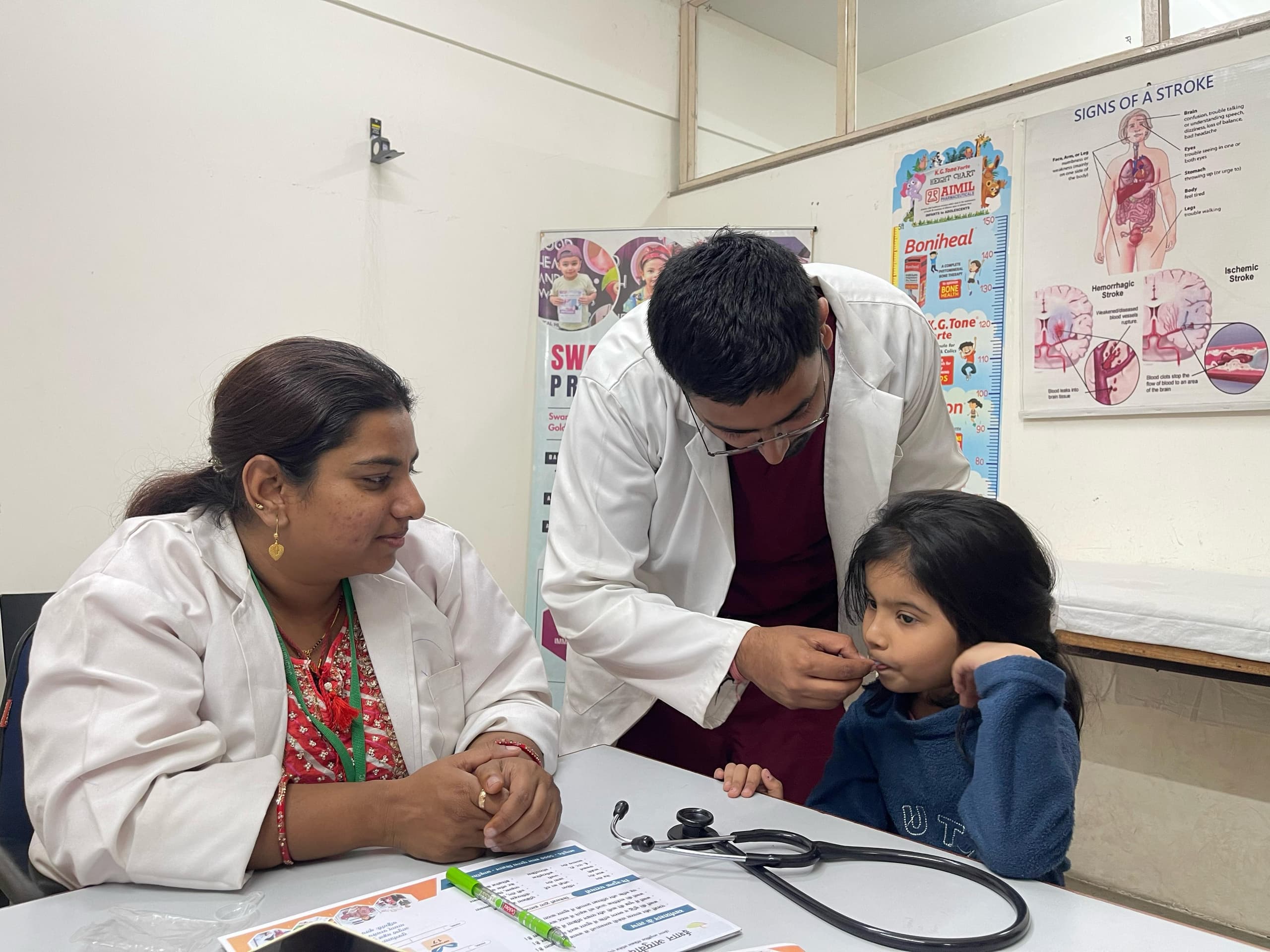
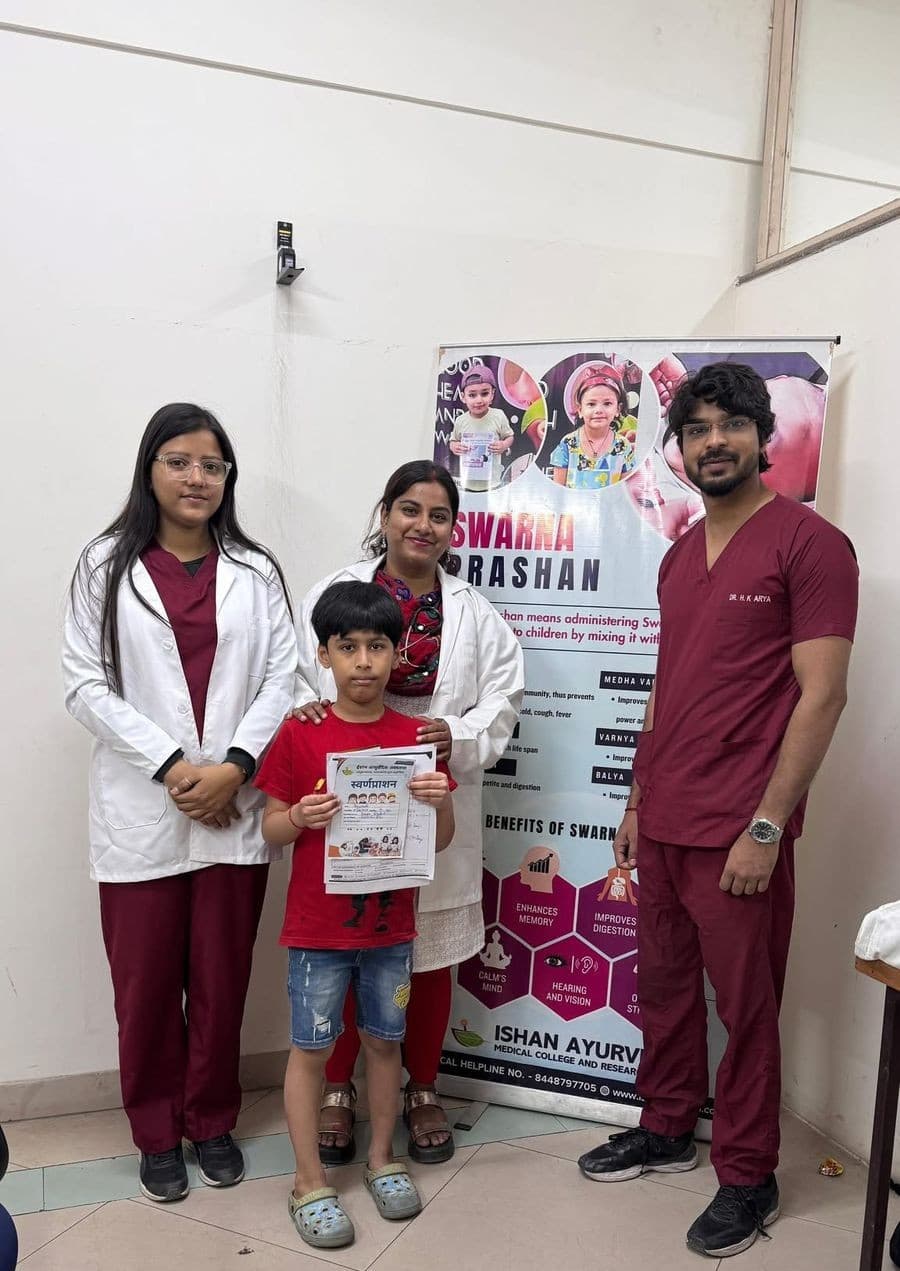
- Preparation of Swarnaprashana
Bala Poshana (Child Nutrition) & Vyadhikshamatva (Immunity)
- Nutritional Assessment in children
- Parent Counselling on Immune modulation
- Immunization in children
Kuposhana Rogas (Nutritional disorders)
- Case Discussion: Malnutrition
Balaroga Pariksha Vidhi & Chikitsa
- Calculation of Pediatric Drug Doses
- Application of Samprapti Gatakas in a Pediatric Case: Part I
- Application of Samprapti Gatakas in a Pediatric Case: Part II
- Clinical case taking
- Conseling regarding patient care
- Pediatric Ethobotonical Survey of Herbal Garden
Kulaja and Sahaja Rogas (Genetic and Congenital Disorders)
- Turner syndrome
- Down syndrome
- Prevention of Congenital anomalies
Graha Rogas and Aupasargika Rogas (Infectious Diseases)
- Case Discussion: Auspasagika Jwara and Krimi Roga
- Pathya and Kriyakrama used in Jwara and Krimi
Swasana Rogas [Disorders of Respiratory system]
- Examination of Ear and Throat
- Case Discussion: Pratishyaya
- Case Discussion: Kasa
- Case Discussion: Shwasa
- Kriyakrama used in management of Pratishaya, Kasa & Shwasa
Mahasrota Roga [Gastro Intestinal Disorders]
- Physiological basis and composition of various ORT
- Kriyakrama used in the management(Chikitsa) of Chhardi
- Kriyakrama used in the management of Vibandha
- Case Discussion:Mukhapaaka, Gulma, Gudabramsa and Parikartika
- Signs and symptoms of GI and Liver disorders
- Case Discussion: Maha Stroto Vikara
Rasa Rakta Rogas [Disorders of blood and cardiovascular system]
- Complementary, alternative treatment protocol, Pathya in Anemia
- Kriyakrama used in management of Pandu
- Complementary, alternative treatment protocol, Pathya in Kamala
- Kriyakrama used in the management of Kamala
- Case Discussion: Pandu, Anaemia and Kamala
Antahsravee Granthi Rogas (Disorders of Endocrine System)
Mutravaha Sroto Rogas (Disorders of Genito urinary system)
- Examination of kleda agni kosta in mutra and shukra vaha srotas
- Kriya karma in Mutra Vaha Sroto Vikara
Sandhi Rogas (Rheumatological Disorders)
- Kriya Krama in Rheumatological disorders
- Case Discussion: Amavata
- Nidanapnachaka of Rheumatological disorders
Twak Rogas (Dermatological Disorders)
- CO Case Discussion: Kusta/ Charmadala/ Visarpa. 6
- Kriyakramas (Procedure-based therapy) in Twak Roga
Sira Snayu Rogas (Nervous system disorders)
- Case Discussion: Apasmara
- Case Discussion: Cerebral palsy
- Kriyakramas (Procedure-based therapy) in Neurological Disorders in Children
Unmada Rogas (Behavioral and Neurobehavioral disorders)
- Case Discussion: ASD/ ADHD/ Intellectual Disability/ Learning Disability
- Case Discussion: Shayyamutra (Enuresis)/ Breath-Holding Spells
- Integrated Child Development Center
- Kriyakramas (Procedure-based therapy) in Behavioural and Neurobehavioral Disorders
Atyayika Rogas (Emergency Paediatrics)
- IV cannulation
- Cardio-pulmonary resuscitation
- Lifesaving medications
Bala Panchakarma
- Udwartana
- Snehana
- Swedana I - Selection of method and dravya
- Swedana II
- Panchakarma in children
- Kriyakalpa in children
Kishora Swasthya (Adolescent Health)
48 non-lecture theory activities — seminars, case discussions, projects and similar — are listed topic-wise.
Bala Samvardhana (Growth and Development)
Navajata Vijnana (Neonatology)
- Navajata Shishu Paricharya and Pranapratyagamana
- Ayu Pariksha Vidhi
- Neonatal disorders
Stanya Vijnana (Breast Milk)
- Complementary feeding I (in the absence of Stanya)
- Complementary feeding II (in the absence of Breastmilk)
- Swarnaprashana
- Breast feeding week program
- Ksheeralasaka
Bala Poshana (Child Nutrition) & Vyadhikshamatva (Immunity)
- Vyadhikshamatwa and Immunity I
- Vyadhikshamatwa and Immunity II
- RCH programmes and Perinatal care for Healthy Child
Kuposhana Rogas (Nutritional disorders)
- Concept of Phakka Roga
- Kuposhana Janya Vyadhis and Nutritional Deficiency Disorders
Kulaja and Sahaja Rogas (Genetic and Congenital Disorders)
- Procedure based therapies and Oushadhas in Sahaja Vyadhis
- Surgical intervention and referral criteria of Congenital and Chromosomal disorders
Graha Rogas and Aupasargika Rogas (Infectious Diseases)
- Management(Chikitsa) of tuberculosis in children
- Concept of Graha Roga in context of infectious diseases
- Management of different type of Jwara
- Oushadha yogas used for Krimi Chikitsa
Swasana Rogas [Disorders of Respiratory system]
- Oushadha Yoga in Pratishaya, Kasa, Shwasa.
- Ahara and Vihara for Pratishaya, Kasa, Shwasa
Mahasrota Roga [Gastro Intestinal Disorders]
- Oushadha Yogas, Pathya in Aatisara, Grahani and Pravahika
- Oushadha Yogas and Pathya used in Chhardi
- Oushadha Yoga and Pathya in Vibandha
Rasa Rakta Rogas [Disorders of blood and cardiovascular system]
- Bheda and referral criteria of Pandu and Anemia
- Haemorrhagic Diseases in children
- Udara Roga: hepatomegaly and splenomegaly
Antahsravee Granthi Rogas (Disorders of Endocrine System)
- Diabetes Mellitus (Prameha)
- Precocious and Delayed Puberty
Mutravaha Sroto Rogas (Disorders of Genito urinary system)
- Refererral criteria of Genito urinary disorders
- Scope of treatment & ahara-vihara plan in Mutra vaha Sroto Vikara
Sandhi Rogas (Rheumatological Disorders)
- Referral criteria & Pathya in Rheumatological disorders
- Integrated treatment for Rheumatological Disorders
Twak Rogas (Dermatological Disorders)
- Case Discussion: Arumshika
- Pathya in Twak Roga
- Oushadha Yogas used in Twak Roga
Sira Snayu Rogas (Nervous system disorders)
- Jalasheershaka (Hydrocephalus)
- Communication Disorders
- Pathya in Neurological Disorders
- Oushadha Yogas used in Neurological Disorders
Unmada Rogas (Behavioral and Neurobehavioral disorders)
- Shayyamutra (Enuresis), Breath Holding Spells, Mritbhakshana (Pica) and Thumbsucking
- Multidisciplinary approach in Behavioural and Neurobehavioral Disorder
- Pathya Behavioral and Neurobehavioral Disorders
- Oushadha Yogas used in Behavioural and Neurobehavioural Disorders
Atyayika Rogas (Emergency Paediatrics)
- Fluid resuscitation methods and techniques
- Nebulization and per rectal medications used in Paediatric practice
Anya Rogas (Miscellaneous Diseases)