1.Swastha and Swasthya
Term ILH 3NLH 0
Definition of Swasthavritta and its objective. Swasthalakshanas, Arogyalakshanas, Dhatusamyalakshanas. Concept of Health & Operational definition of health. Importance of Shodhana in Swastha in relation to Sanchita & Asanchitha Dosha & Classification of Swastha purusha as Sanchita dosha and Asanchita Dosha.Dimensions of health-Physical, Mental and Social. Concept of well-being: objective component of well-being - standard of living and level of living and subjective component of well-being-Quality of Life. One health concept / Vasudhaiva Kutumbakam” or “One Earth · One Family- One Future”.
2.Healthy Life style-Dinacharya (Daily regimen)
Term ILH 8NLH 5
Concept of Primordial, Primary, Secondary and Tertiary Prevention along with examples in Ayurveda. Importance of Ahara and Vihara as the health promotive and disease preventive measures. Importance of Niyata kala vihara (Dinacharya, Ritucharya) and Aniyata kalaVihara(Vegadharana, Vegaudirana, Ritushodhana, Brumhana and Bhutadi asparshana) for health promotion and disease prevention. Concept of waking up at 'Brahme muhurta’in the present scenario and the effect of early rise on health, sleep, alertness and memory. UshaJalapana' (Drinking water in early morning). Importance of Malatyaga in vata kaala - early morning (Good Bowel Habits.). Mukhaprakshalana and face washes used currently. Concept of Dantadhavana and modern-day brushing techniques and dentifrices. Concept of Jihwanirlekhana and the tools used in today's era and their benefits. Concept of Anjana as a health promotive measure. Kavala and gandusha for oral hygiene including mouthwashes available in the market. Abhyanga as as health promotive measure. Importance of the Tambula. Prayogika Dhoomapana (Practicable & non-practicable Dhoomapana-inhalation of herbal fumes/herbal inhalers with their benefits and contraindications. Ill effects of tobacco smoking of various sorts viz. beedi, cigarette, hookah on health. Applied aspects of Sarvanga Abhyanga, Padabhyanga, Shiroabhyanga and their possible physiological effects. Application of Abhyanga according to different age groups and occupation/activity. Different snehas/oils to be used for daily abhyanga as per seasons and geographical variations. Concept of Vyayama and present-day practices such as aerobic exercises, muscle strengthening exercises etc.to be practiced as per prakriti, age and occupation. Ardhashakti lakshanas of vyayama and the consequences of ati vyayama. Udwartana, Utsadana Udgharshana. Snana- Types of different types of bath and Physiological effects of snana on body and mind. Importance and benefits of Anulepana. Merits and demerits of present-day applications like face powder, face pack, balm, lotions, lipsticks, deodorants and perfumes etc. Importance of proper clothing (Vastradharana) in social life.
3.Ratricharya
Term ILH 6NLH 1
Ratri bhojanvidhi and its relation to health. Ratri shayana vidhi in relation to the proper time of sleep. Relation between Nidra and health. Effects of Yukta & Ayukta nidra. Effects of Ratri Jagarana, Diwaswapna, Anidra, Atinidra and Akala Nidra. Ahara and Vihara Causing sound sleep as well as disturbed sleep. Formulation of the duration of sleep according to age and Sleep in healthy and ailing persons.Various Aspects of Sleep like: a. Daytime Sleepiness and Alertness b. Sleep Deprivation c. Sleep and Host Defense d. Master Circadian Clock and Master Circadian Rhythm e. Human Circadian Timing System and Sleep-Wake Regulation f. Circadian Rhythms in Sleepiness, Alertness, and Performance g. Circadian Disorders of the Sleep-Wake Cycle. Sleep apnea, insomnia, narcolepsy and restless leg syndrome. Solutions to Asatmya jagarana (sleep disorders). Importance of observing brahmacharya and abrahmacharya in ratricharya in relation to health. Brahmacharya with special reference to lifestyle guidelines. Reproductive and sexual health according Ayurveda.
4.Ritucharya
Term ILH 5NLH 2
Classification of kaala, Adana kala and visarga kala, identification of seasons based on the ritu lakshanas in different geographical areas. Sanchaya- Prakopa-Prashamana of Dosha with their gunas in each ritu. Relation of Agni, Bala and Ritu with its application. Ritu shodhana for the prevention of diseases. Pathya - Apathya in regards to Ahara-Vihara in all six ritus in present scenario. Importance of ahara and vihara in ritu sandhi and Yamadanshtra kala. Rituharitaki as a rasayana with research updates. Effects of Rituviparyaya on health and its relation to janapadaudhwamsa/maraka vyadhis with present day examples.
5.Roganutpadaniya
Term ILH 2NLH 1
Concept of vegadharana and vega-udirana in relation to health and morbidity.Symptoms and management principles of adharaniya vega janya vyadhis from bruhattrayee.Concept of vegaudirana (viz. Use of snuffing powder, forcible evacuation of bowels & bladder etc.). Importance of dharaniya vegas in promotion of mental health.
6.Sadvritta
Term ILH 2NLH 1
Sadavritta measures for the maintenance of personal, social and spiritual health. Observance of Sadvritta for the prevention of Adharma. Achara Rasayana" and its role in the prevention and control of diseases.Characteristics of a mentally healthy person, warning signals of poor mental health, types of mental illness and causes of mental ill-health. Mental health services and comprehensive mental health programme. Role of trigunas and satvavajaya in mental health promotion in present era. Digital health promotion
Significance of Ahara for health and well-being according to Ayurveda & Contemporary science. Classification of aharadravyas as per Ayurveda & Contemporary science. Ahara vidhividhana, Ahara sevanakala & Dwadasha ashanapravicharana. Applied aspect of Pathyahara, Apathyahara, Samashana, Adhyashana, Vishamashana. Ahara &vihara leading to Santarpanajanya evam Apatarpanajanyavyadhi and importance of upavasa and concept of intermittent fasting. Benefits of Shadrasabhojana. Importance of Ashta aharavidhivisesha ayatanani in present era. Importance of Nityasevaniyadravyas in the maintenance of health. Properties (Guna& karmas) of Ahara dravyas in the following vargas with their nutritive value: Dhanyavarga – Shuka Dhanya (Cereals and Millets), Shami Dhanya (Pulses), Shaka and Haritavarga (Leafy and Non leafy vegatables), Kanda varga (roots and tubers), Phalavarga (Fruits), Taila varga (Fats and Oils), Ikshuvarga (Sugarcane Products) &Madyavarga(Alcoholic Beverages), Dugdhavarga (Milk and Milk products), Ahara UpayogiVarga (Spices & Condiments), Kritannavarga(Prepared Food), Mamsavarga (Meat types) and JalaVarga.Definition of Pro-biotics and Pre-biotics and their utility. Proximate principles of Food - Recommended Daily Allowance according to various conditions, Sources and deficiency diseases of Protein, Carbohydrate, Fats, Vitamins, and Minerals. Definition of Balanced diet and diet for an individual depending on age, body weight and physiological status and Social Aspects of Nutrition.Food hygiene, Sanitation of eating places, Preservation of food, Food handlers, Foodborne diseases, Food fortification, Food adulteration and Food toxicants. Milk Hygiene, Milk composition, Source of infection for Milk, Milk borne diseases, Clean and Safe milk and Pasteurization of milk Meat Hygiene, Meat inspection, Slaughterhouse and Freshness of fish and egg. Safety and hygiene measures for Fruits and Vegetables.Formulation of Pathya-Apathya diet for prevention of lifestyle disorders such as Obesity, Diabetes mellitus, Cardiovascular diseases and Acid peptic diseases.Description of Food safety and standards regulation(Ayurveda Ahara Regulations), 2022 and Food safety and standards Act, 2006. Different Dietary Supplements and Ergogenic Aids.Impact of different dietary patterns: Mediterranean diet, Keto Diet, DASH diet, the MIND diet, Vegan diet, Ovo-lacto-vegetarian, Pesco-vegetarian, Plant-based diet, Intermittent diet, the Nordic diet, importance of organic foods, merits and demerits of genetically modified foods and inflammatory foods such as fried foods, cookies, hot dogs, red meat, refined grains, pizza, burger etc,. and instant foods like Maggi etc,. Concept of slow and fast foods and impact of cooking processes like boiling, steaming, sautéing, fermenting etc. (samskara) on health. Definition of Nutraceuticals, Nutrigenomics, Nutrigenetics. Concept of Viruddhaahara with classical and modern-day examples and the application of this in the prevention of diseases
8.Rasayana for Swastha
Term ILH 2NLH 2
Definition of Rasayana and benefits of Rasayana. Classification and types of Rasayana with examples. Urjaskara Rasayanas as per age and occupations /Activities.Antioxidant & immunomodulatory effects of Rasayana with reference to research articles. Importance of lifestyle counselling with its methods.
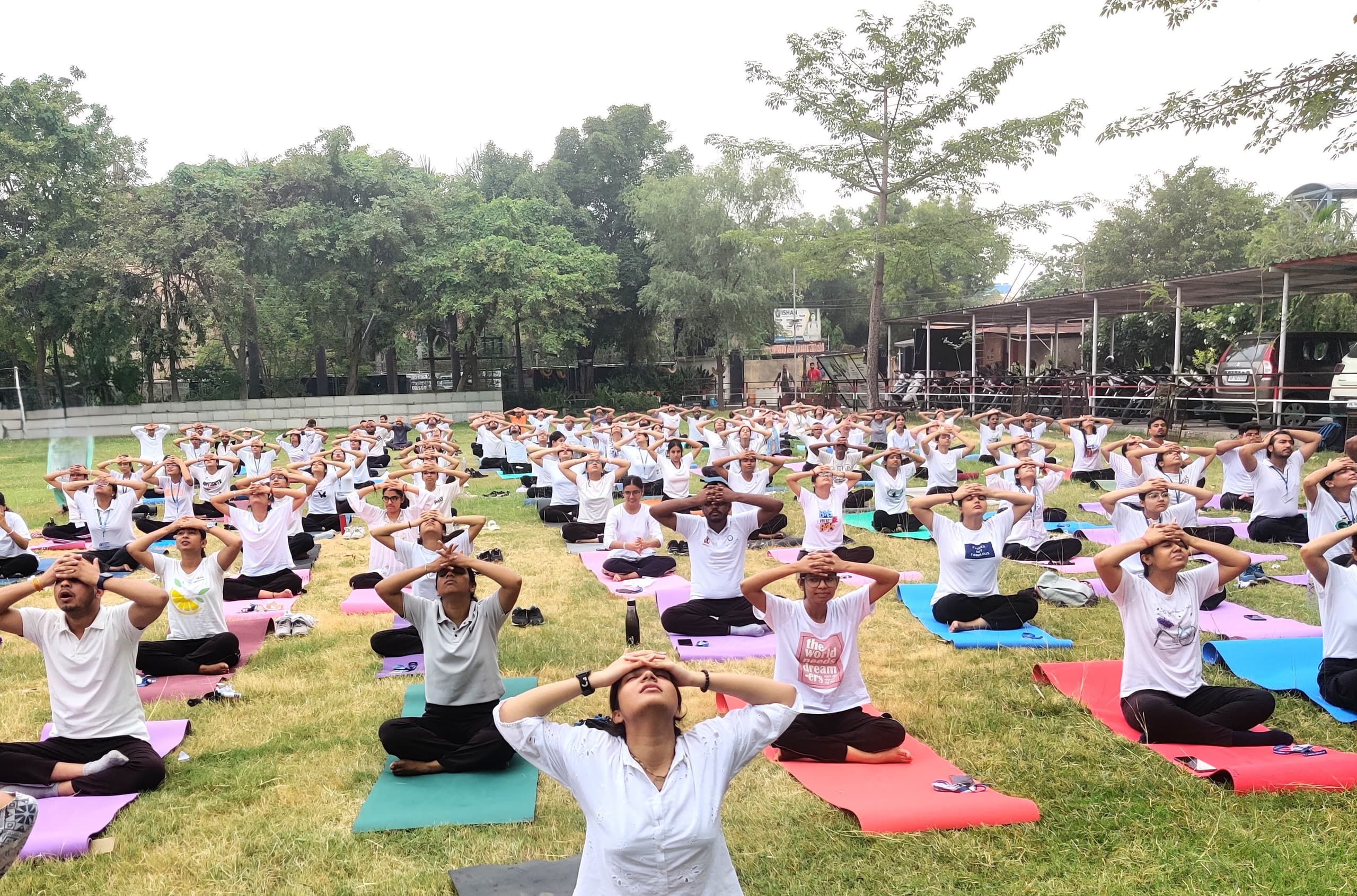
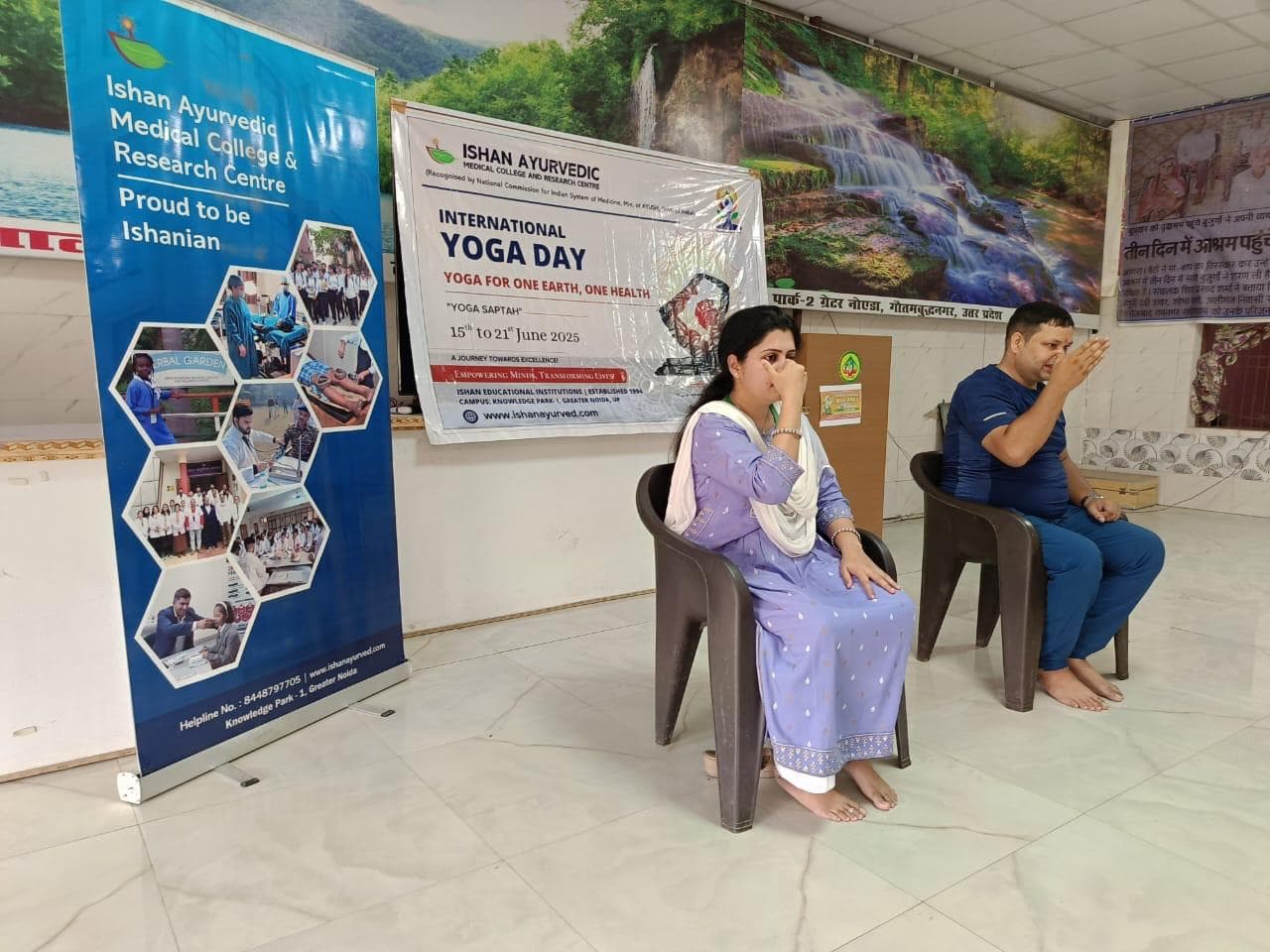
Etymology/derivation of the word 'Yoga'. Definitions of Yoga according to PatanjaliYogasutras, Bhagavad Gita and Charaka Samhita. Difference between Rajayoga, Hathayoga and Karmayoga.Yogabhyasa Pratibhandhakas and Yoga Siddhikarabhavas. Mitahara and Pathya-apathyas during Yogabhyasa. Concept of Panchakosha theory. Description of Ashtangas of Yoga - Yama, Niyama, Asana.Pranayama, Pratyahara, Dharana, Dhyana and Samadhi. Suryanamaskara. Description of Shatkarmas - Dhauti, Basti, Neti, Trataka, Nauli, and Kapalabhati.Bandha-procedure and benefits of Mulabandha, Jalandharabandha and Uddiyanabandha. Mudras - Shanmukhi mudra and Jnana mudra. Shatchakras and their importance in Yoga practice. Description of Ida-Pingala-Sushumna nadis and their importance in yoga practice.Concept of Moksha according to Charaka, Muktatmalakshana and Moksha upayas.Importance of International Day of Yoga (IDY). Adverse effects of improper Yoga practices
10.Naturopathy
Term IILH 5NLH 4
Basic principles of Naturopathy. Concept of Panchabhutopasana.Therapeutic effects of Mud therapy. Therapeutic effects of Sun bath. Fasting therapy - its types and benefits. Hydrotherapy - types of water used based on the temperature and therapeutic effects of Hydrotherapy. Therapeutic effects of Massage