
Department of Kaumarbhritya
About the Department
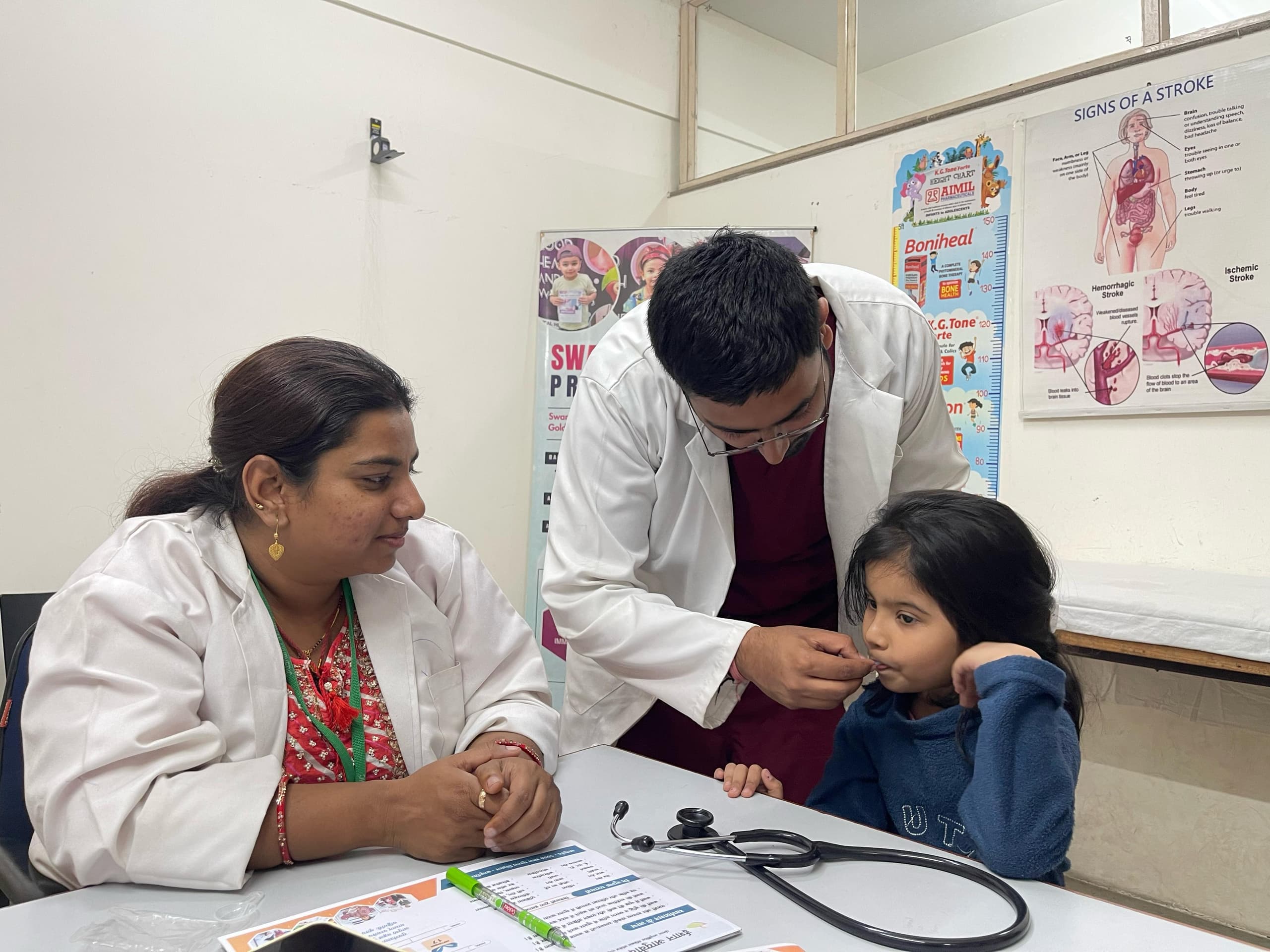
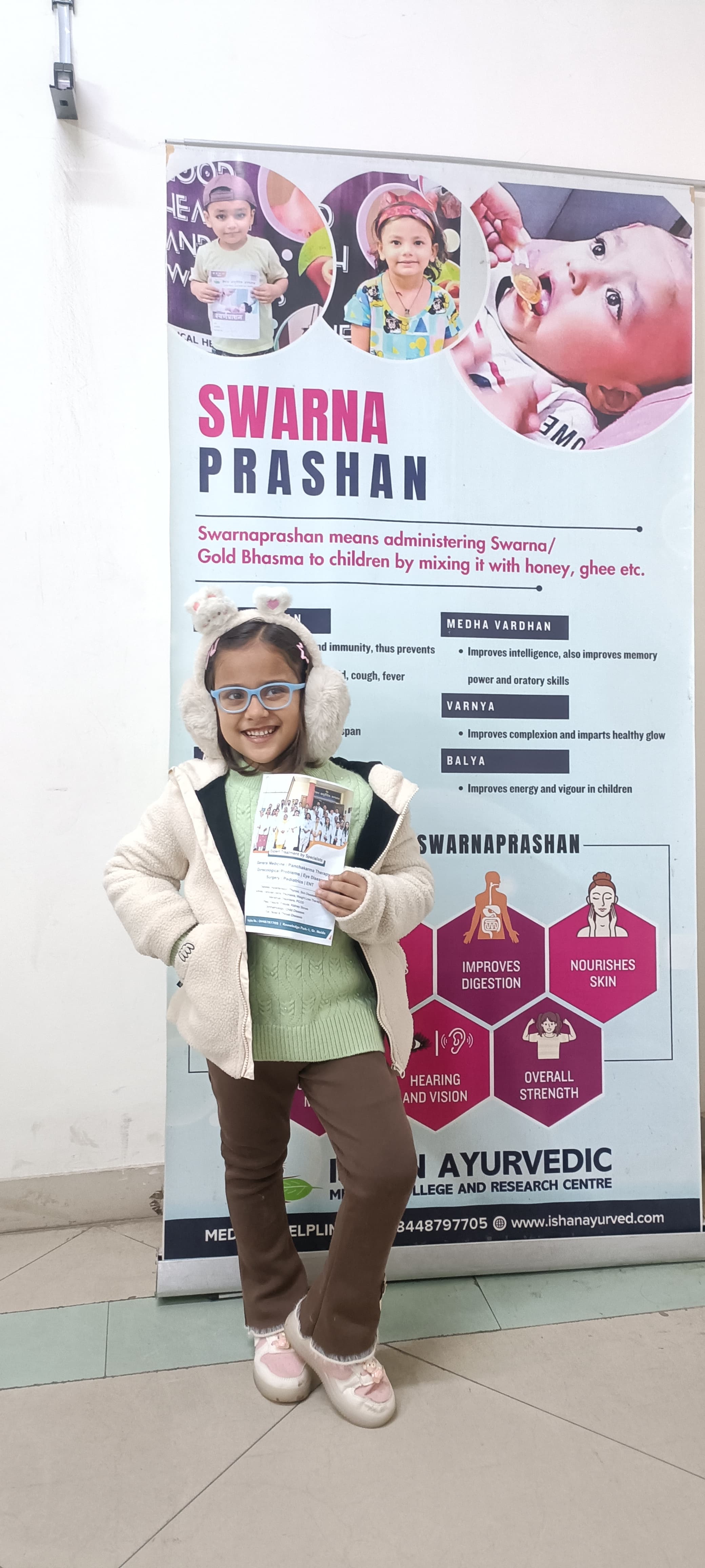
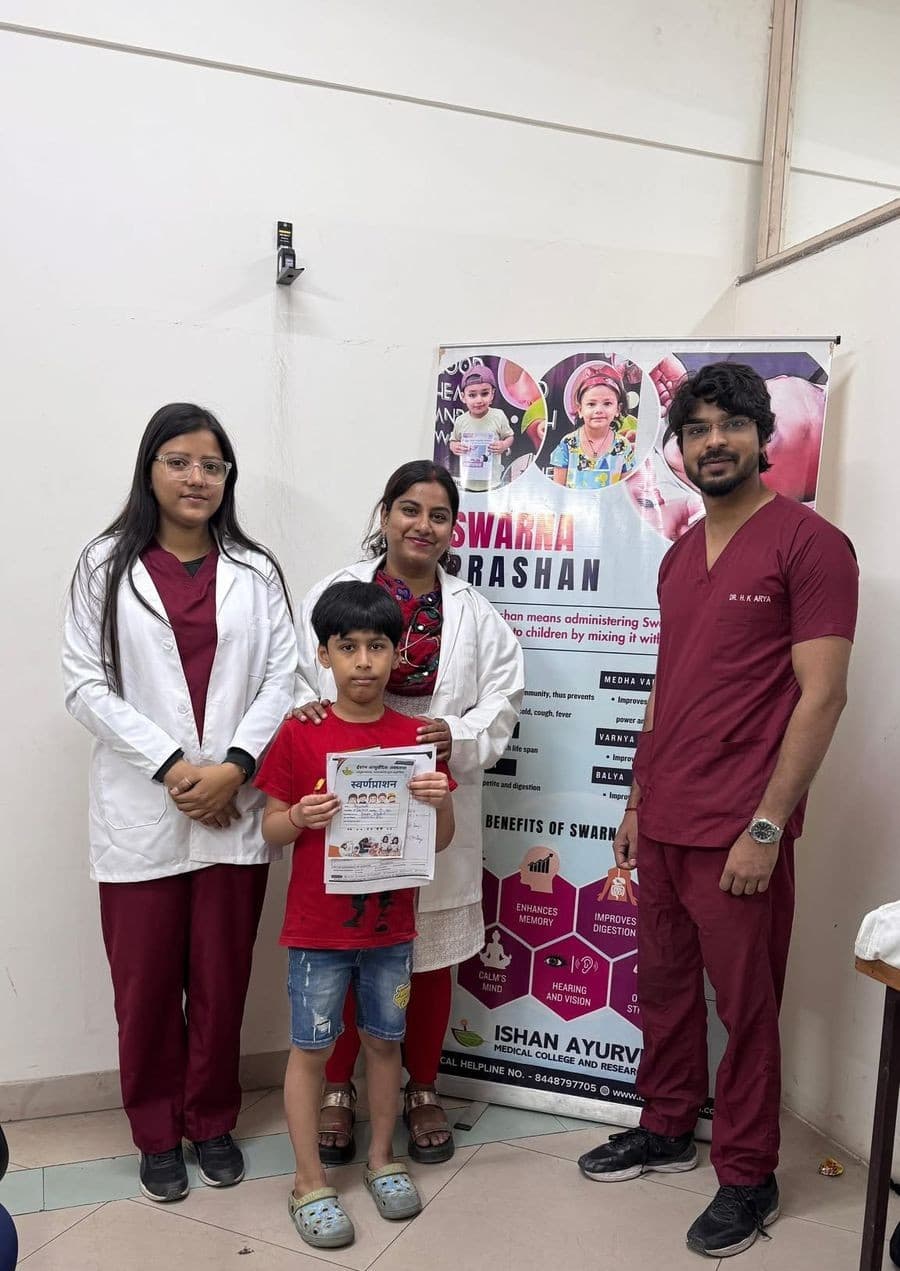
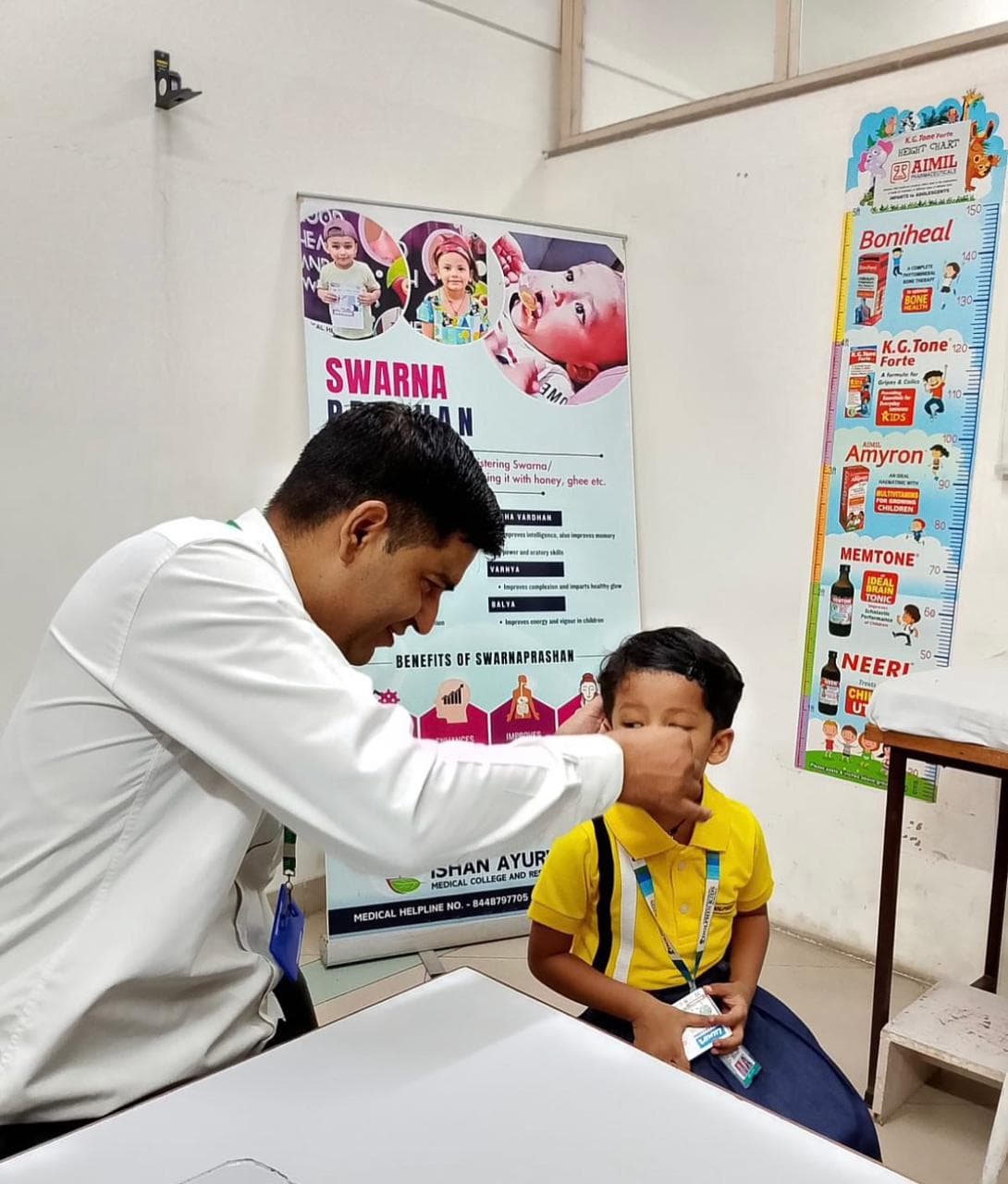
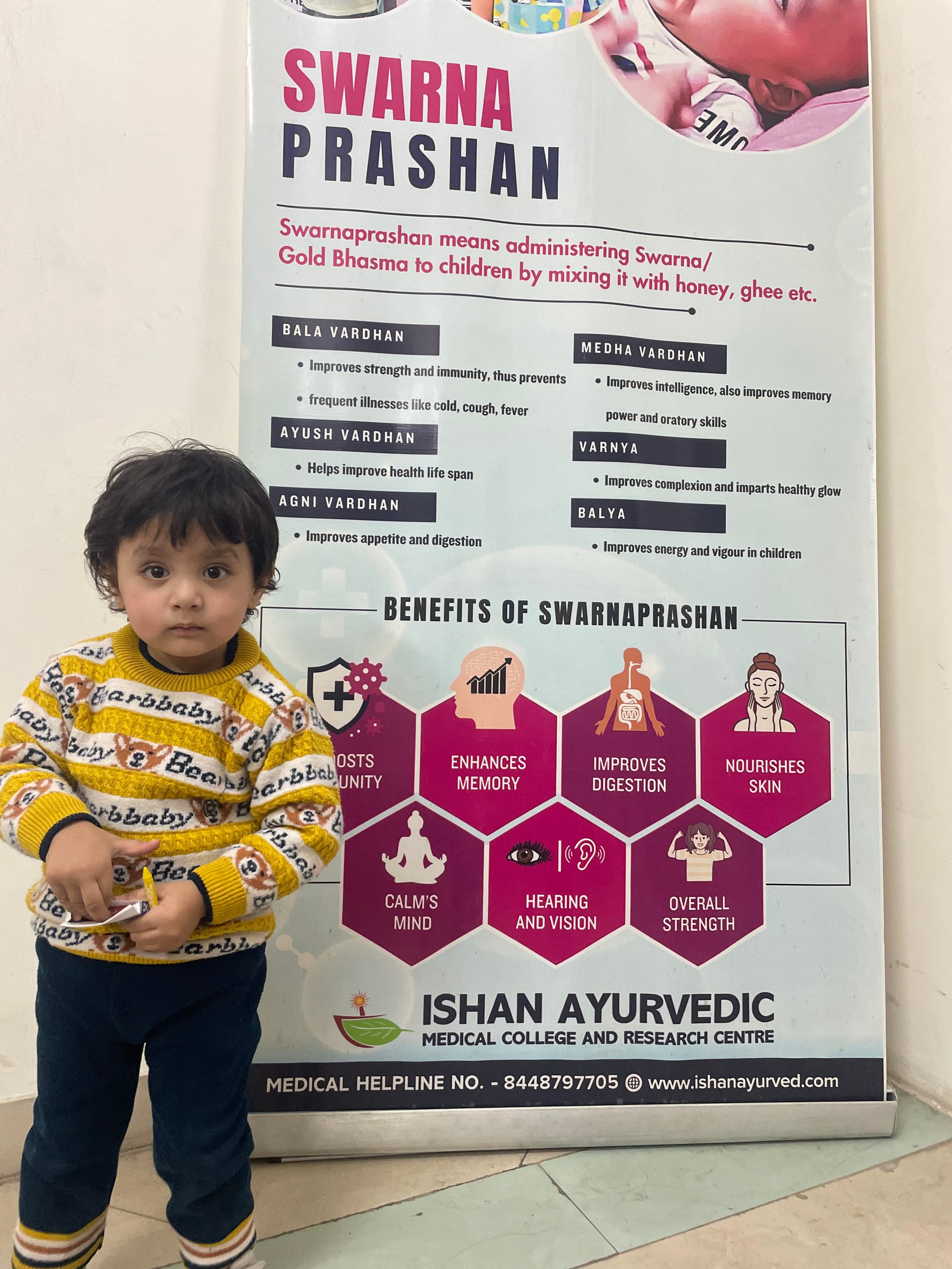
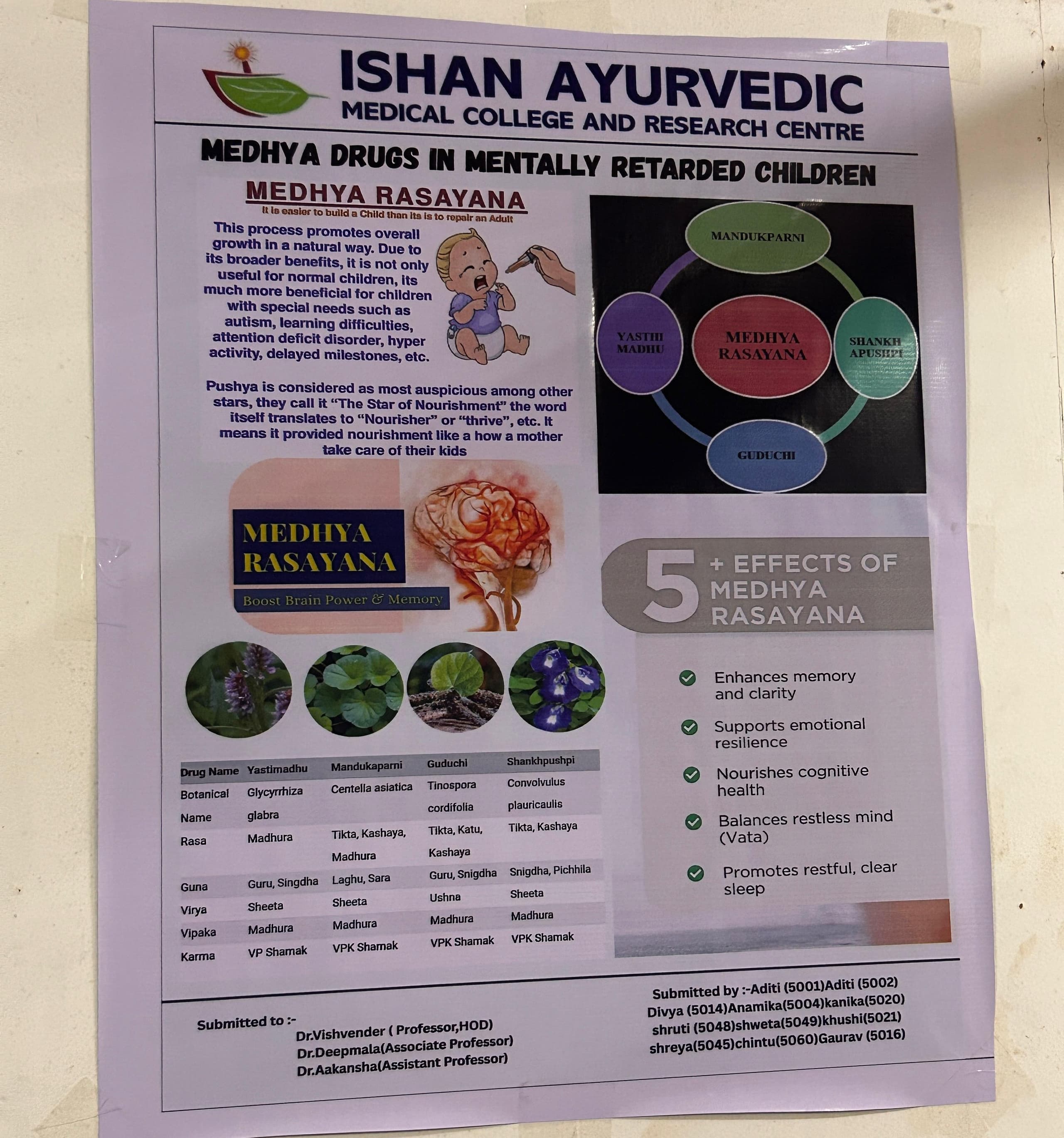
The Department of Kaumarbhritya is a vital branch of Ayurveda and one of the Ashtanga Ayurveda specialties, dedicated to the comprehensive healthcare of infants, children, and adolescents. It focuses on neonatal care, breastfeeding practices, nutrition, and monitoring of growth and developmental milestones, along with the prevention and management of childhood diseases. Emphasizing immunity enhancement (Vyadhikshamatva) through practices like Swarnaprashana, the department integrates physical, psychological, and behavioral aspects of child health. It also highlights the importance of maternal care during pregnancy and lactation, along with child-specific Dinacharya and Ritucharya. With the use of safe herbal formulations, gentle therapies, and child-friendly treatments, the department aims to ensure holistic development and long-term well-being of children.
Key Areas of Study
Neonatal care and breastfeeding practices
Early-life healthcare foundations
Growth, development, and nutritional assessment
Monitoring developmental milestones
Immunity enhancement (Vyadhikshamatva)
Swarnaprashana and child-specific regimens
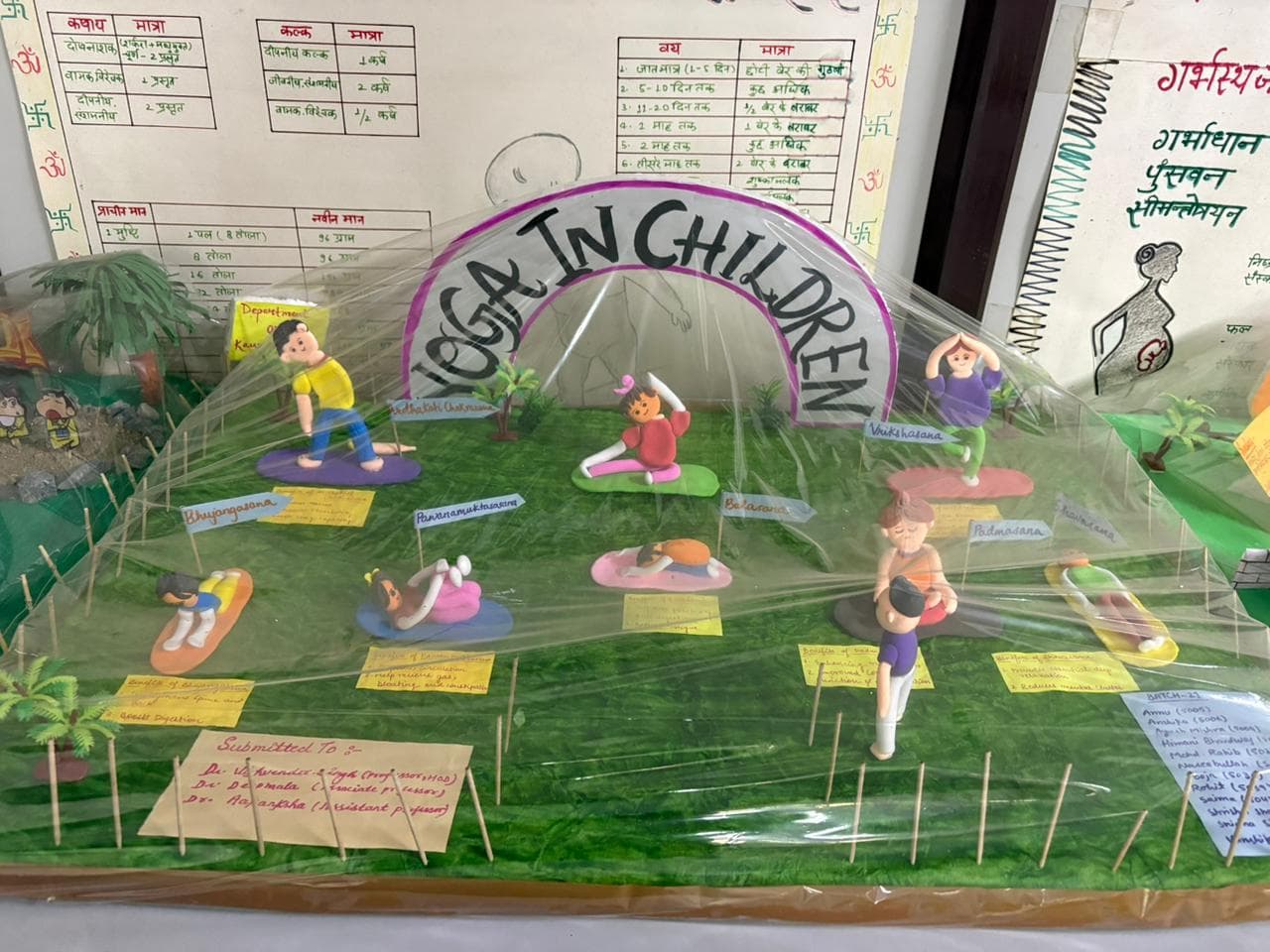
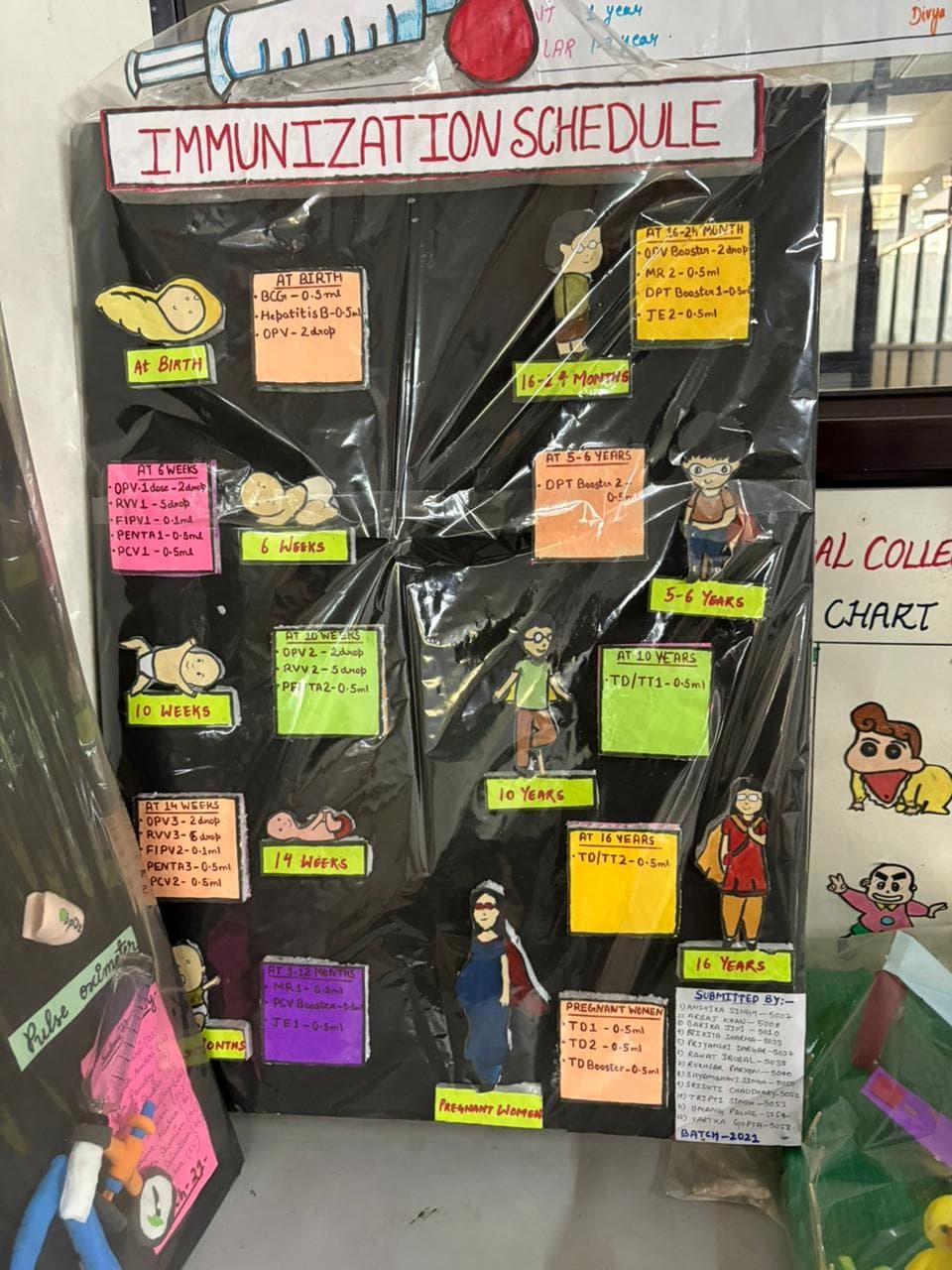
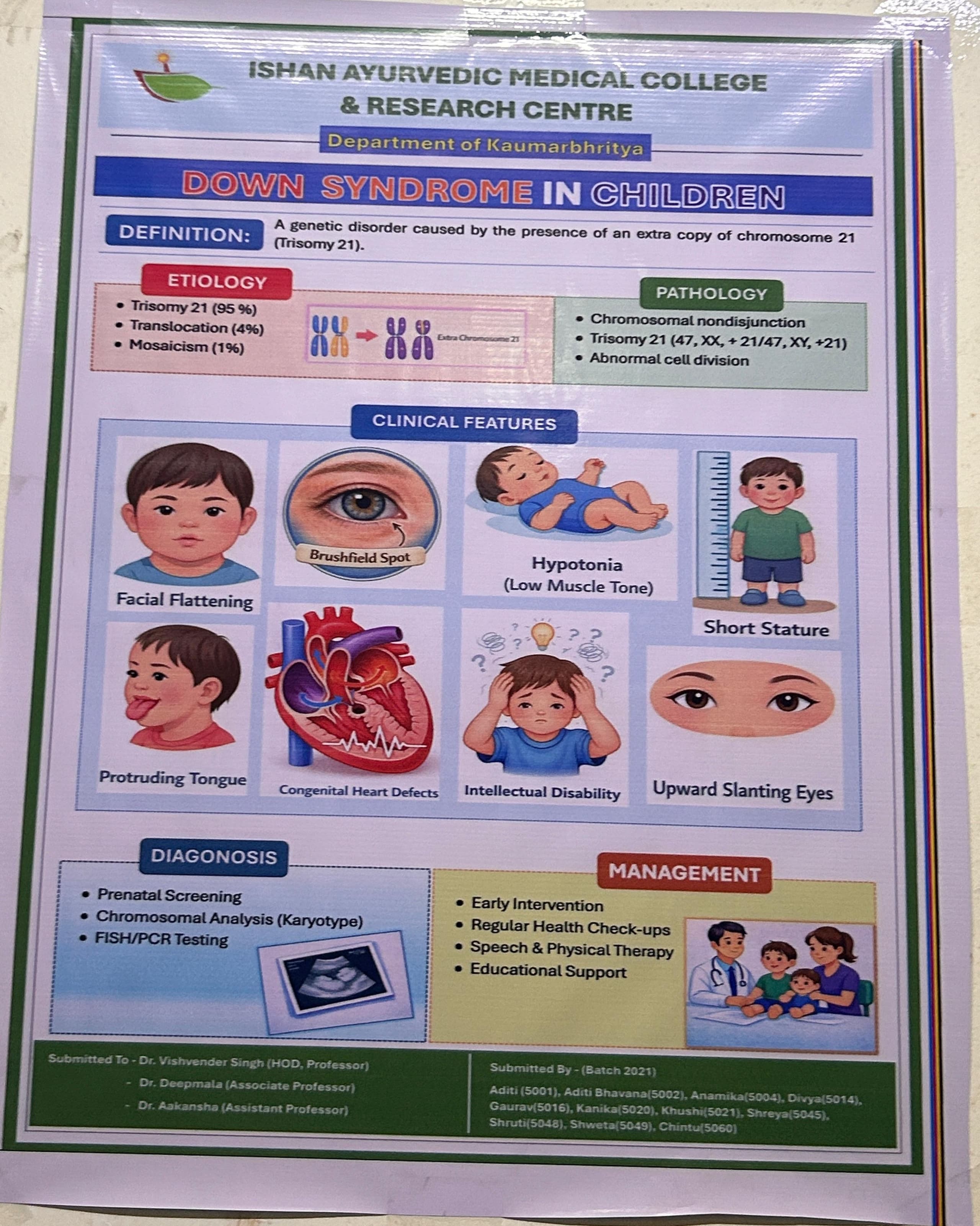
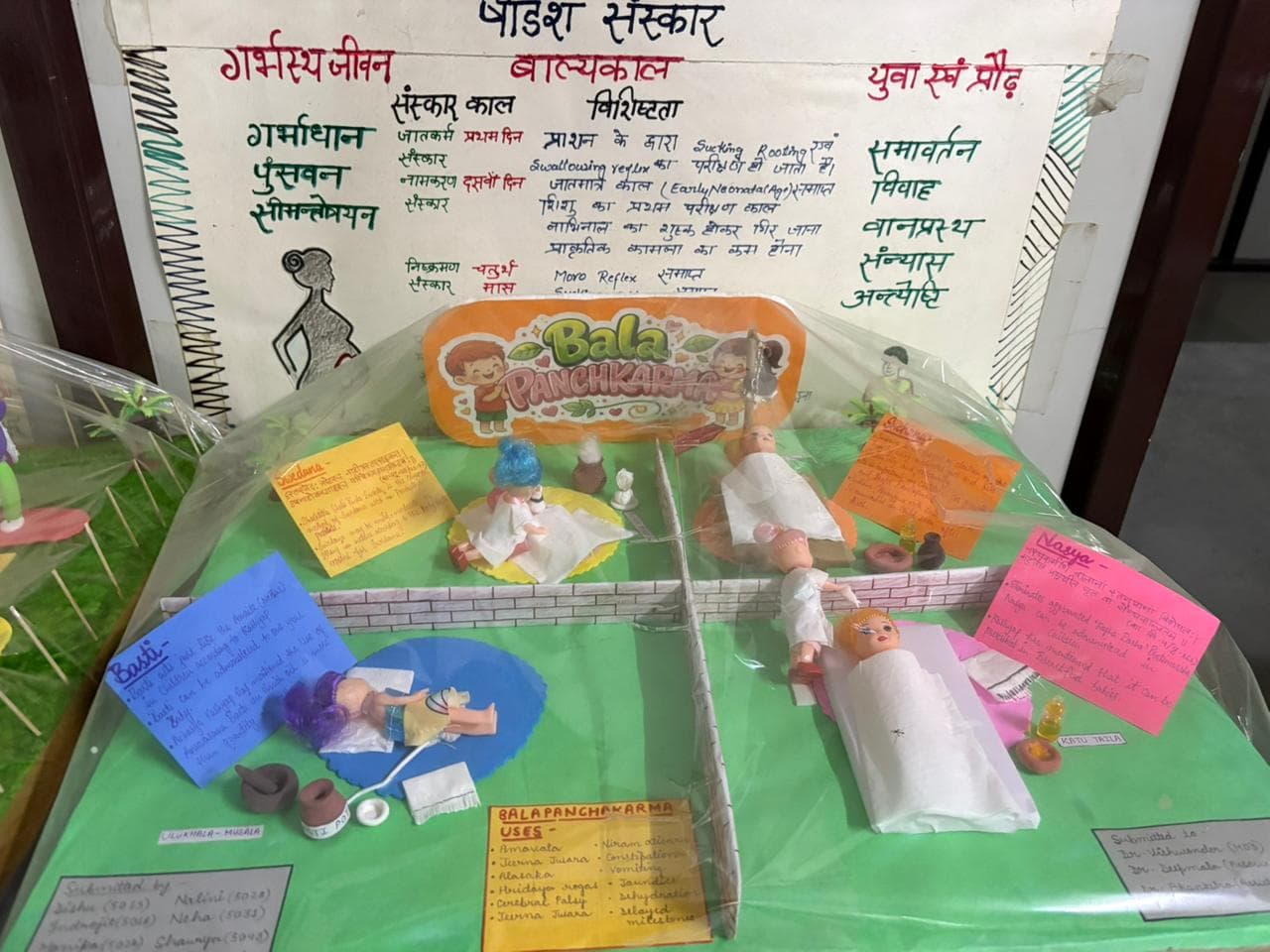
Departmental Lab
(for Clinical and Practical Training)
Assessment of growth and developmental milestones
Diagnosis and management of paediatric disorders
Practical exposure to child-friendly Ayurvedic therapies
Programme Learning Outcomes (POs)
Demonstrate comprehensive knowledge and application of the Trisutra concept to explore root causes, identify clinical manifestations of disease, treat ailments, and maintain health.
Demonstrate knowledge and skills in Ayurveda through the integration of multidisciplinary perspectives and careful clinical and practical observation.
Demonstrate proficiency in holistic and individualized assessment for rational decision-making in disease management and health maintenance.
Perform procedures and therapeutic maneuvers with skill and dexterity in diverse clinical situations.
Demonstrate knowledge, skills, and professional attitudes required to provide holistic and quality healthcare.
Exhibit ethical conduct, compassion, and virtuous behavior to enhance the well-being of individuals and society.
Demonstrate self-directed learning for continuous advancement of knowledge and contribution to healthcare and societal well-being.
Demonstrate effective communication skills with patients, families, communities, and professional peers.
Demonstrate an understanding of the roles and skills required as a practitioner, researcher, and academician, along with the aspiration to excel in these domains.
Course Outcomes (COs)
Kaumarbhritya
Evaluate normal growth and development and identify deviations in children.
Diagnose and manage Bala Roga (paediatric diseases) using Ayurvedic principles along with contemporary medical science.
Demonstrate knowledge and skills in assessing and improving child health through Ayurveda with updated research perspectives.
Develop effective communication skills to build rapport with children and caregivers, encouraging shared decision-making.
Formulate Ayurvedic methods for promoting health and enhancing immunity in children.
Customize Ahara and Vihara based on age (Vaya), constitution (Prakriti), diet, and disease condition of the child.
Demonstrate skills in handling children and performing appropriate Panchakarma procedures in paediatric care.
Advocate child rights, respect diversity, and adhere to ethical and legal standards in child healthcare.
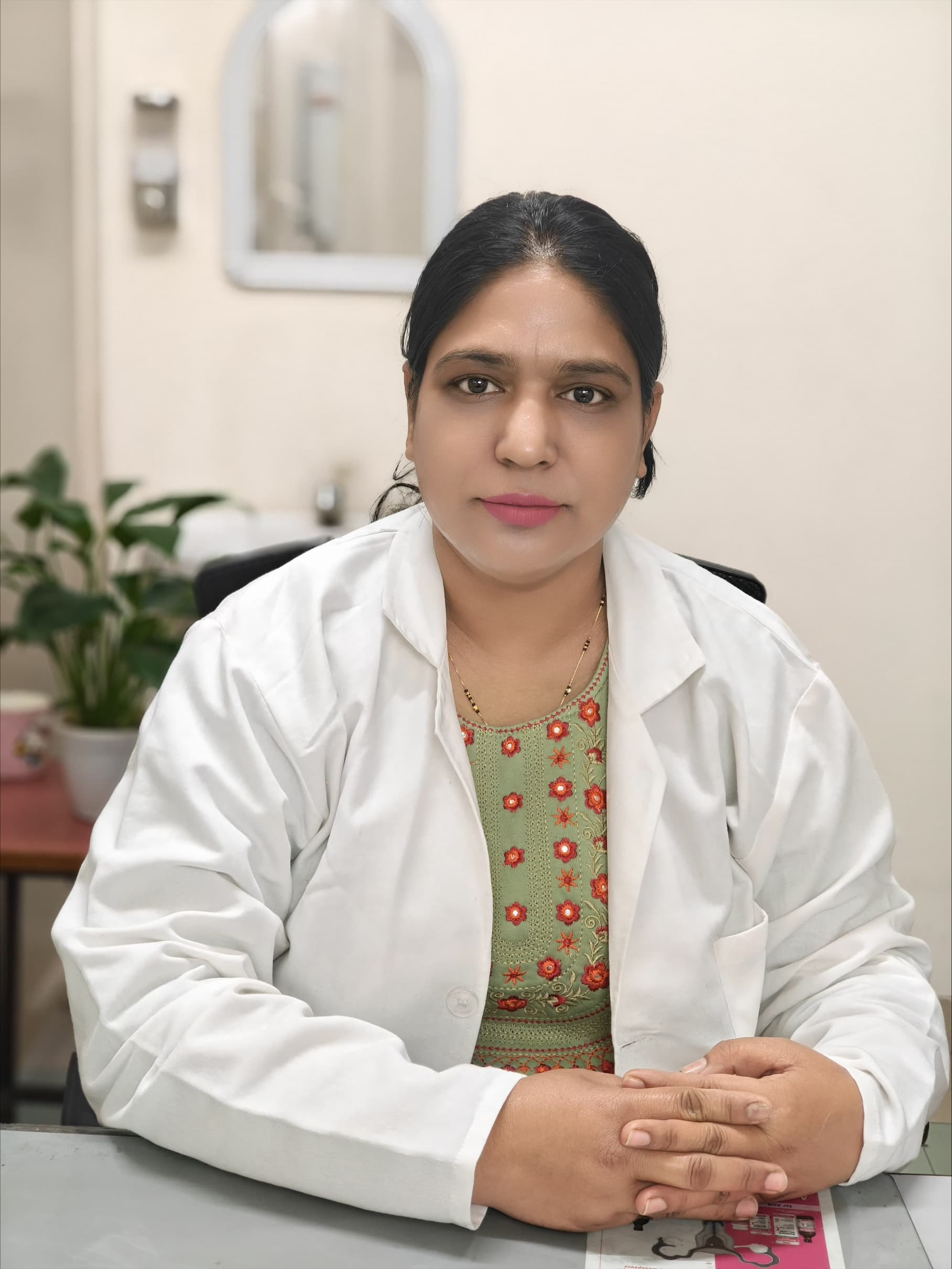
Our Esteemed Faculty
Scholars who guide the next generation with depth, dedication, and lived expertise.

Access detailed syllabus and curriculum structure
Get the complete academic blueprint—course outlines, learning outcomes, reading lists, and assessment frameworks.