About BAMS
About BAMS Programs
Lorem ipsum dolor sit amet, consectetur adipiscing elit, sed do eiusmod tempor incididunt ut labore et dolore magna aliqua. Ut enim ad minim veniam, quis nostrud exercitation ullamco laboris nisi ut ea commodo consequat. Duis aute irure dolor in reprehenderit in voluptate velit esse cillum dolore eu fugat nulla pariatur. Lorem ipsum dolor sit amet, consectetur adipiscing elit, sed do eiusmod tempor incididunt
Lorem ipsum dolor sit amet, consectetur adipiscing elit, sed do eiusmod tempor incididunt ut labore et dolore magna aliqua. Ut enim ad minim veniam, quis nostrud exercitation ullamco laboris nisi ut ea commodo consequat.
Skill You'll Learn
Lorem ipsum amet, consectetur adipiscing elit, sed do eiusmod tempor incididunt ut labore et dolore magna aliqua. Ut enim ad minim veniam, quis nostrud
Diagnosis Skills
Pulse reading, clinical examination
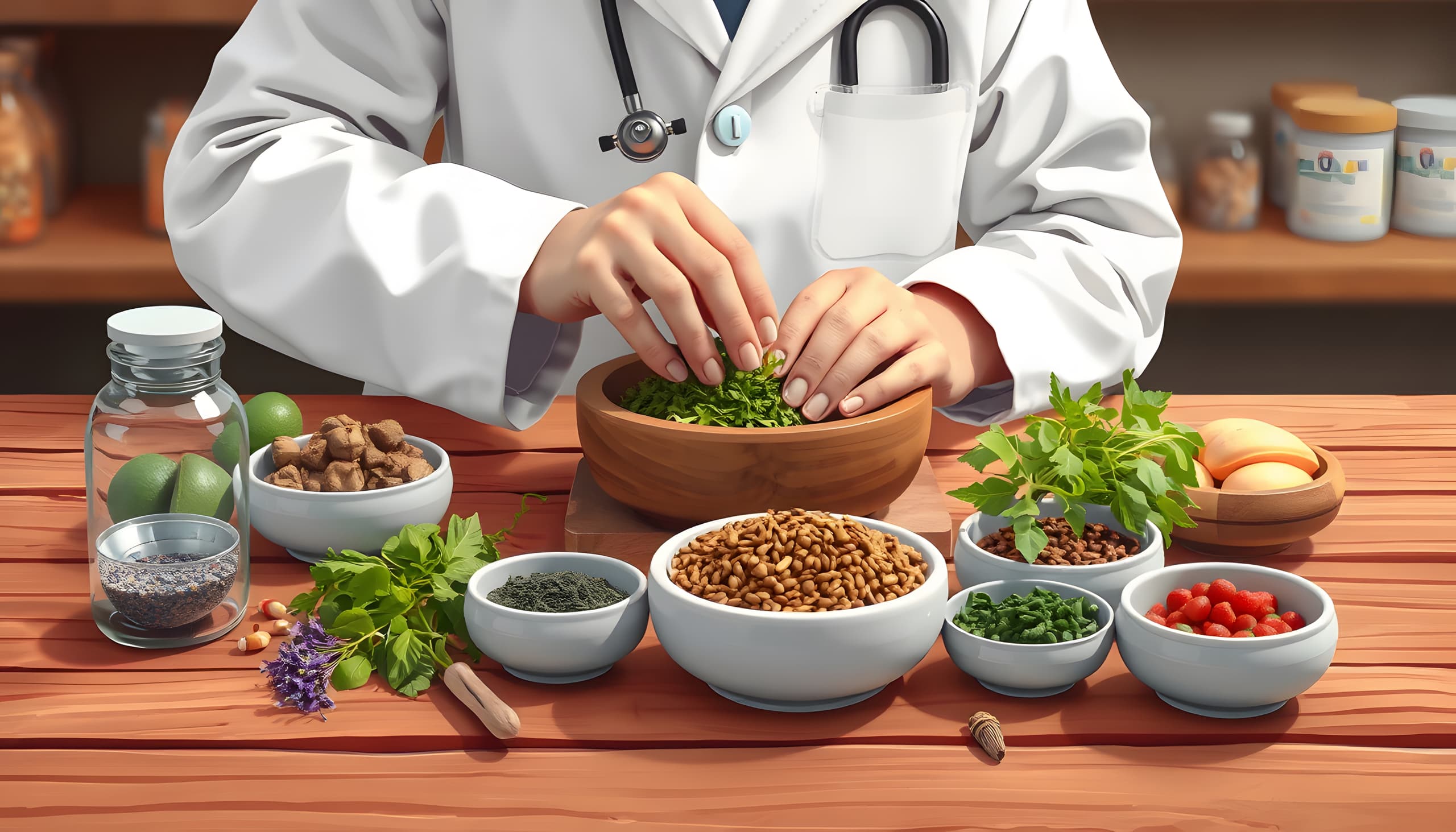
Herbal Medicine
Knowledge of 700+ medicinal plants
Patient Care
Holistic health management
Lifestyle & Nutrition
Diet therapy & daily regimen design
About BAMS FAQs
BAMS stands for Bachelor of Ayurvedic Medicine and Surgery. It is an undergraduate degree program in the field of Ayurveda, recognized by the Central Council of Indian Medicine (CCIM) and affiliated universities.
The BAMS course is 5.5 years long, which includes 4.5 years of academic study and 1 year of compulsory rotating internship in an Ayurvedic hospital.
Candidates must have completed 10+2 with Physics, Chemistry, and Biology from a recognized board with a minimum of 50% marks (40% for reserved categories). Admission is typically through NEET-UG counselling.
After BAMS, graduates can practice as Ayurvedic physicians, work in government or private hospitals, open their own clinic, pursue higher studies (MD/MS in Ayurveda), work in the pharmaceutical industry, or explore roles in wellness and research sectors.
Yes, BAMS is fully recognized by the Government of India, the Central Council of Indian Medicine (CCIM), and the respective state governments. Graduates are eligible to practice Ayurvedic medicine across India.
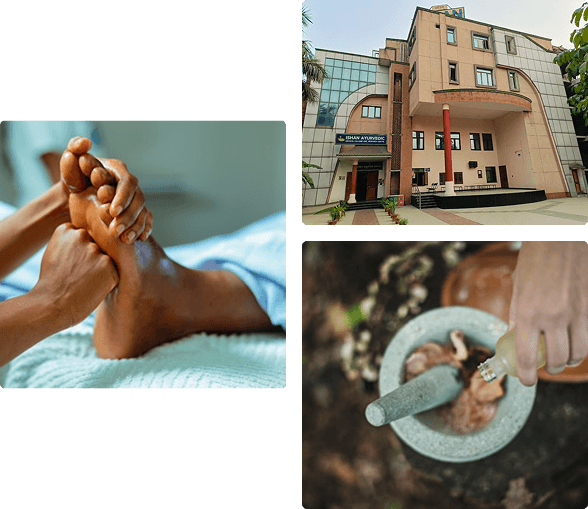
Yes, Ishan Ayurvedic Medical College & Research Centre provides extensive clinical training through its attached hospital, OPD/IPD exposure, Panchakarma therapy sessions, and community health camps throughout the course.