Rasa (Taste)
Kashaya, Tikta
The primary taste perceived on the tongue.

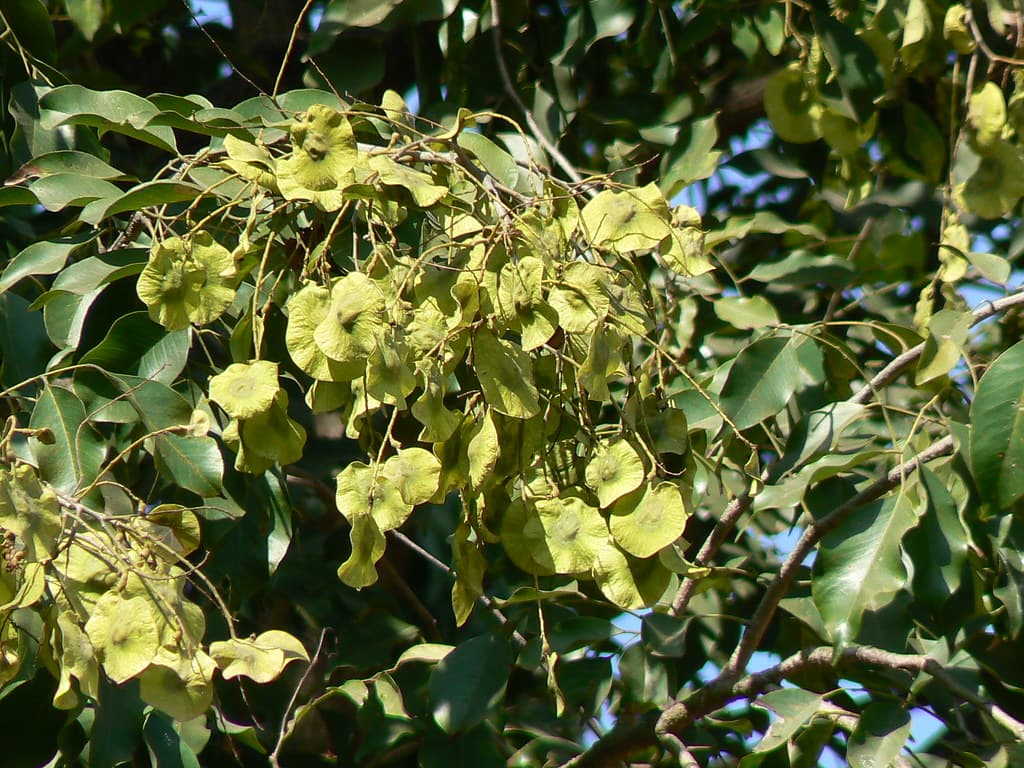
The tree reaches up to 30 m, and longitudinally fissured.
Pterocarpus marsupium · Fabacea
The tree reaches up to 30 m, and longitudinally fissured.
Scientific Name
Pterocarpus marsupium
Family
Fabacea
Hindi Name
Asana
Used Part
Heartwood and bark
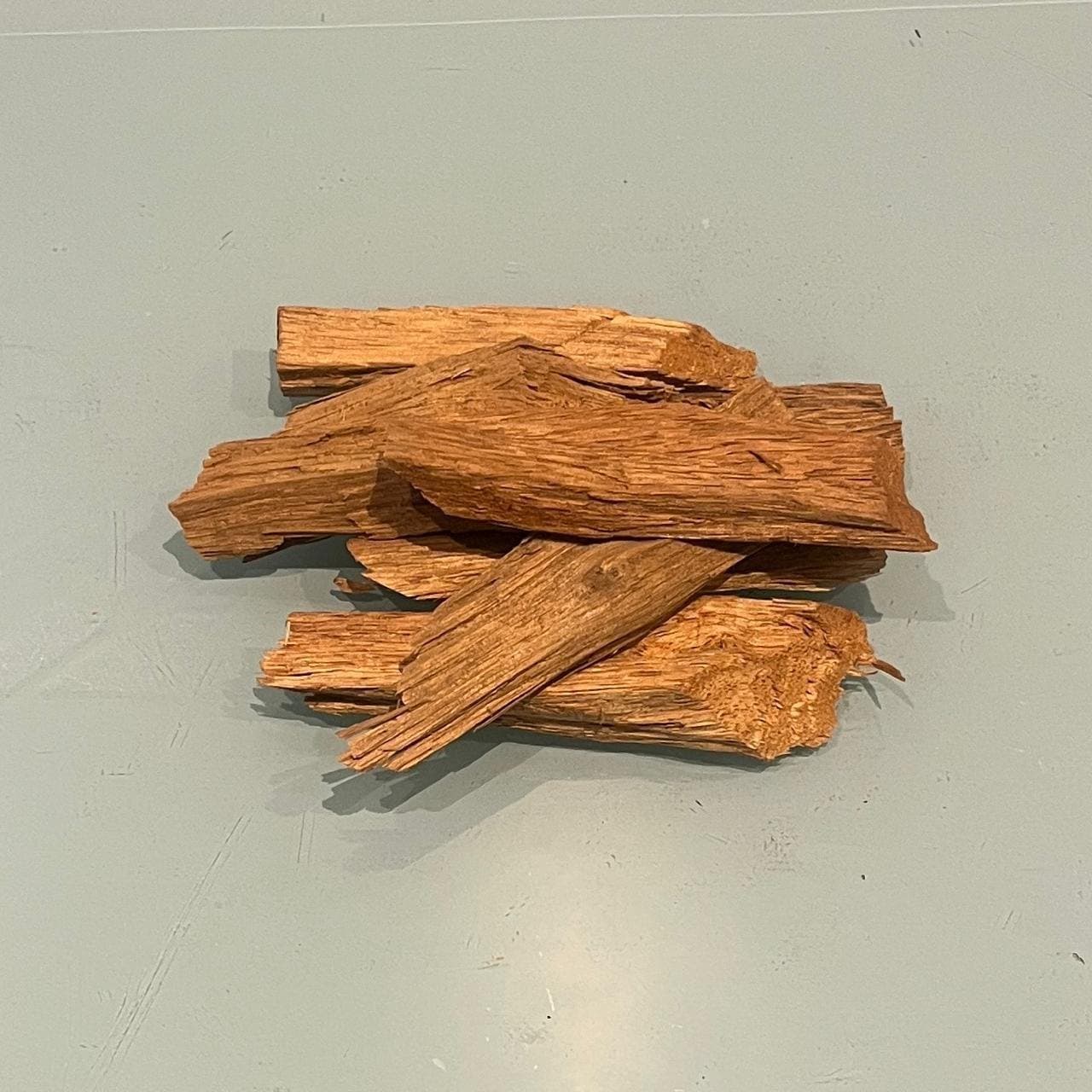
Morphology and field-identification notes as documented in our Dravyaguna library.
The tree reaches up to 30 m, and longitudinally fissured. Leaflets are generally five to seven in number, 8–13 cm long, oblong or elliptic, or rotund, with 15–20 pairs of lateral
The five-fold framework Ayurveda uses to describe a drug — Rasa, Guna, Vipaka, Veerya and its effect on the doshas.
Kashaya, Tikta
The primary taste perceived on the tongue.
Laghu ,Ruksha
Physical and energetic attributes of the dravya.
Katu
Taste that emerges after complete digestion.
Kapha Pitta hara
Effect on Vata, Pitta and Kapha doshas.
Ushna
Heating (ushna) or cooling (sheeta) energy.
Anti-diabetic: Known to prevent pancreatic cell damage and boost insulin secretion, helping to control high blood sugar levels.
How modern science maps onto the classical understanding of this dravya.
Pharmacological Action
Astringent, Anthelmintic, Blood purifier
Phytoconstituents
Pterostilbene, (-)-Epicatechin, Marsupsin, and Pterosupin
Classical Ayurvedic indications drawn directly from the Dravyaguna tradition — paired with the preparations recommended in shastra.
01
Diabetes (Madhumeha) – It is used for helping control blood sugar. Water kept overnight in Vijaysar tumbler is traditionally used.
02
Obesity & high cholesterol – Helps improve metabolism and reduce excess fat.
03
Diarrhea & dysentery – Bark decoction is used for loose motions.
04
Wound healing – Paste/decoction used in ulcers and wounds.
05
Skin diseases – Useful in itching, acne, and some skin disorders due to blood-purifying action.
06
Inflammation & swelling – Helps reduce inflammatory conditions.
07
Urinary disorders – Traditionally used in excessive urination and urinary imbalance.
08
General weakness – Considered strengthening and restorative in some formulations.
Always consult a qualified Ayurvedic physician before using any herb therapeutically. Dose, anupana and Prakriti-specific suitability matter.
Yoga / Kalpana
Common Ayurvedic preparations where Vijaysar is a key ingredient.
Shastra Pramana
बीजकः कुष्ठवीसर्पमेहमेदगुदकृमीन् । हन्ति त्वगामयपित्तास्र त्वच्यः केश्यो रसायनः ॥३६॥ — भावप्रकाश