Rasa (Taste)
Kashaya
The primary taste perceived on the tongue.

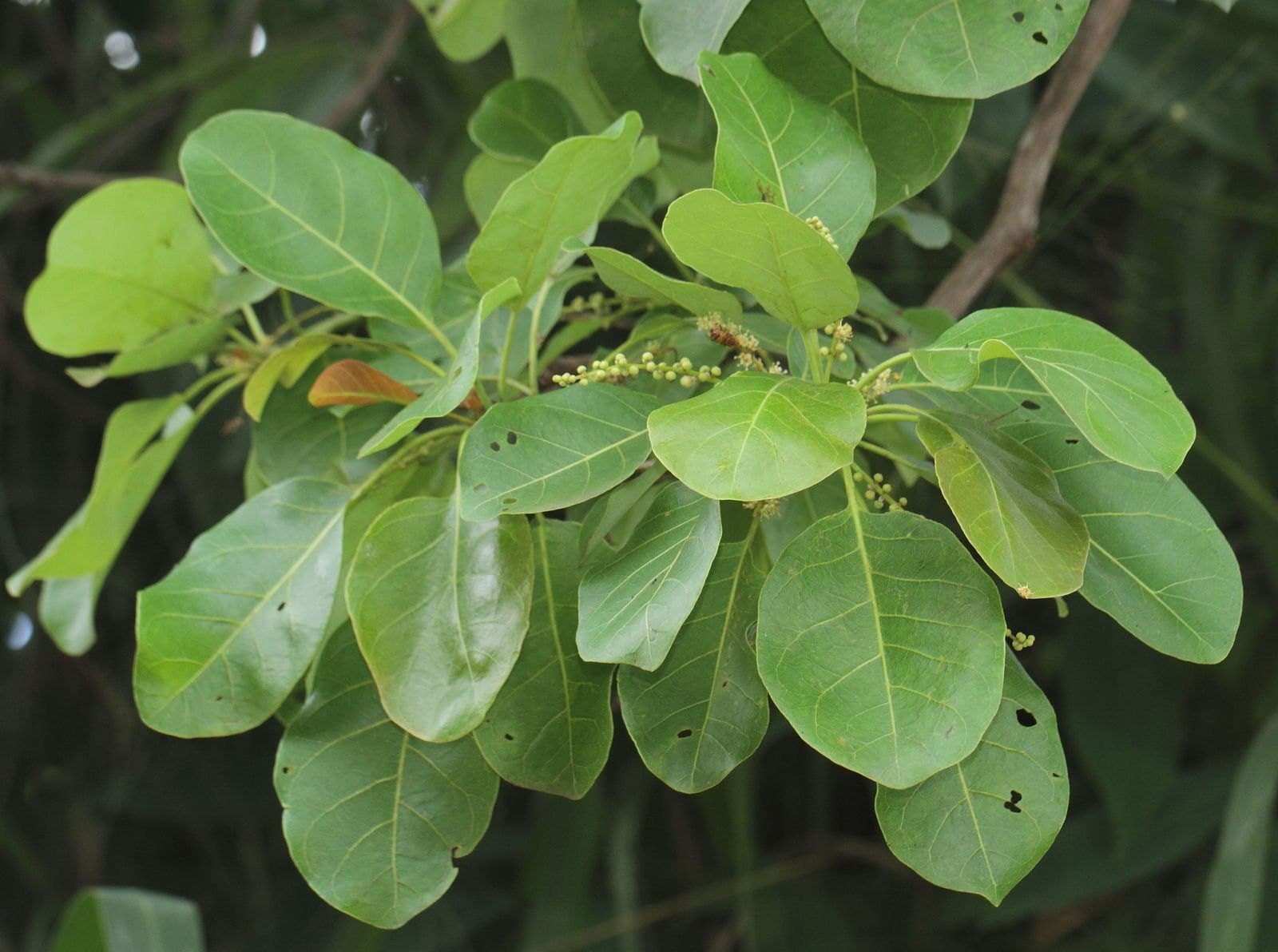
It is a large deciduous tree 10-12 m or more high, with straight & tail trunk.
Terminalia bellirica · Combretaceae
It is a large deciduous tree 10-12 m or more high, with straight & tail trunk.
Scientific Name
Terminalia bellirica
Family
Combretaceae
Hindi Name
Baheda
Used Part
Phala (fruit) Beej (seed)
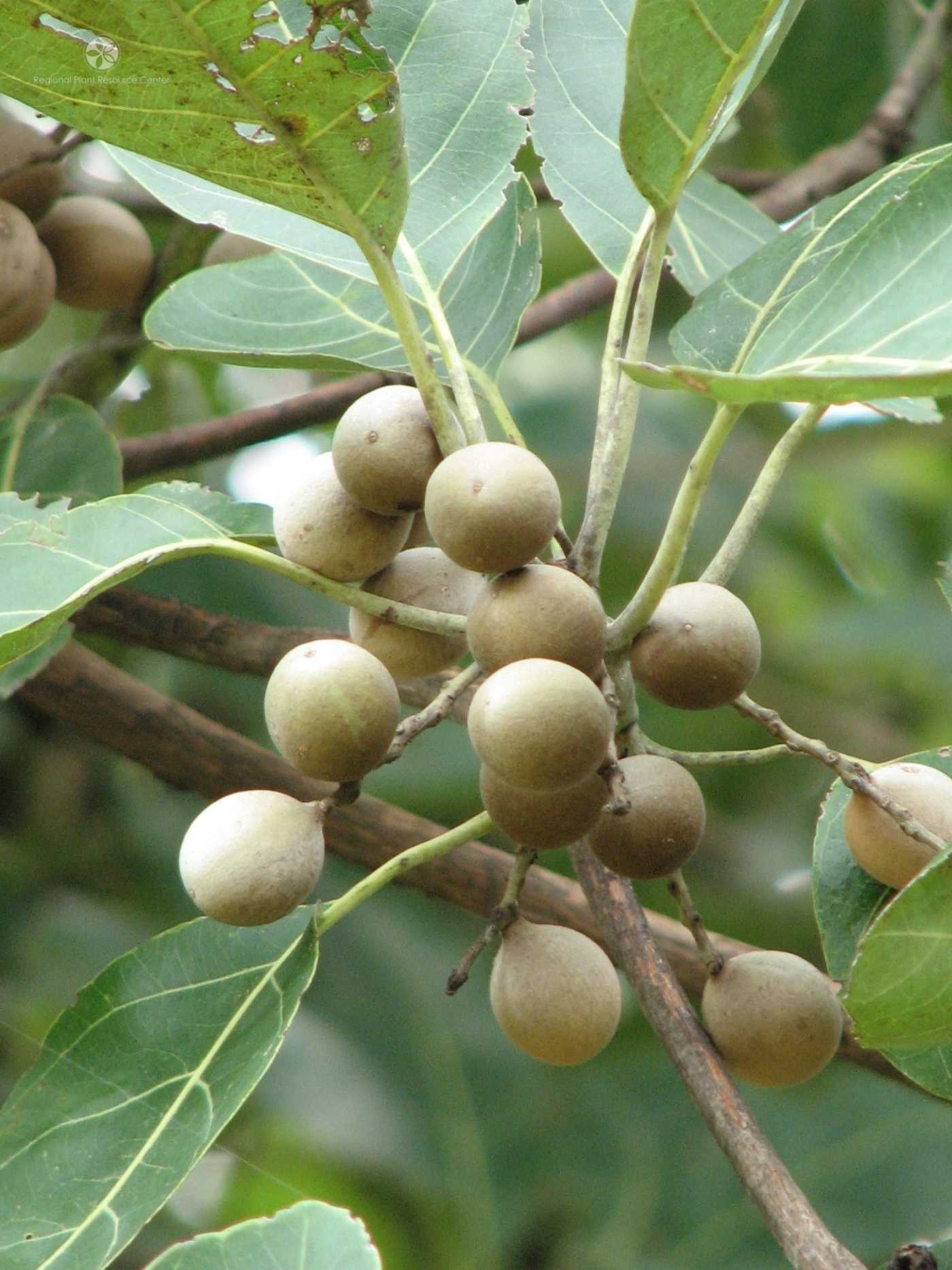
Morphology and field-identification notes as documented in our Dravyaguna library.
It is a large deciduous tree 10-12 m or more high, with straight & tail trunk. Leaves are sub opposite, hairy, 6-18 cm long, ovate or oblong ovate, elliptic, clustered at the end of the branchlets, acuminate, lateral nerves prominent. Petiole is 1-2.5cm long, usually with glands on the upper side.
Bibhitaki is a large deciduous tree found throughout India reaches height up to 30 meters. Trunk of the tree is straight with brownish grey color. Leaves are long, alternate, oval and are clustered towards the end of branches and are 7-14cm in breadth and 10-12cm in length.
The five-fold framework Ayurveda uses to describe a drug — Rasa, Guna, Vipaka, Veerya and its effect on the doshas.
Kashaya
The primary taste perceived on the tongue.
Ruksha, Laghu, Tikshna.
Physical and energetic attributes of the dravya.
Madhura
Taste that emerges after complete digestion.
Tridosha Shamak
Effect on Vata, Pitta and Kapha doshas.
Ushna
Heating (ushna) or cooling (sheeta) energy.
Bhedana, Kasanashanam, Netrahitam, Vaisvaryanashana, Keshya, Kruminashanana.
How modern science maps onto the classical understanding of this dravya.
Pharmacological Action
Antioxidant, Antimicrobial, Antidiarrheal, Anticancer, Anti-hypertensive, Hepatoprotective, Antipyretic.
Phytoconstituents
Ellagitannins such as Corilagin, Chebulagic acid, Galloylpunicalagin and Digalloyl-hexahydroxydiphenoyl-hexoside .
Classical Ayurvedic indications drawn directly from the Dravyaguna tradition — paired with the preparations recommended in shastra.
01
Burnt vibhitaka fruit combined with salt resolves the problem of diarrhoea.
02
Vibhitaka powder of 10 gm mixed with honey and taken after food pacifies cough and dyspnea.
03
The paste made from the vibhitaki fruit pulp calms burning and discomfort in all sorts of edemas. Additionally, rice water should be consumed with the vibhitaki paste.
04
Corneal opacity is eliminated by using a collyrium made of vibhitaka seed kernel combined with honey.
Always consult a qualified Ayurvedic physician before using any herb therapeutically. Dose, anupana and Prakriti-specific suitability matter.
Yoga / Kalpana
Common Ayurvedic preparations where Bibhitaki is a key ingredient.
Shastra Pramana
बिभीतकस्त्रिलिङ्गः स्यान्नाक्षः कर्षफलस्तु सः | कलिद्रुमो भूतवासस्तथा कलियुगालयः ||३३|| बिभीतकं स्वादुपाकं कषायं कफपित्तनुत् | उष्णवीर्यं हिमस्पर्शं भेदनं कासनाशनम् ||३४|| रूक्षं नेत्रहितं केश्यं कृमिवैस्वर्यनाशनम् | बिभीतमज्जा तृट्छर्दिकफवातहरो लघुः | कषायो मदकृच्चाथ धात्रीमज्जाऽपि तद्गुणः ||३५||