Ishan Ayurvedic Medical College & Research Centre
Vata (Banyan Tree)

Vata (Banyan Tree)

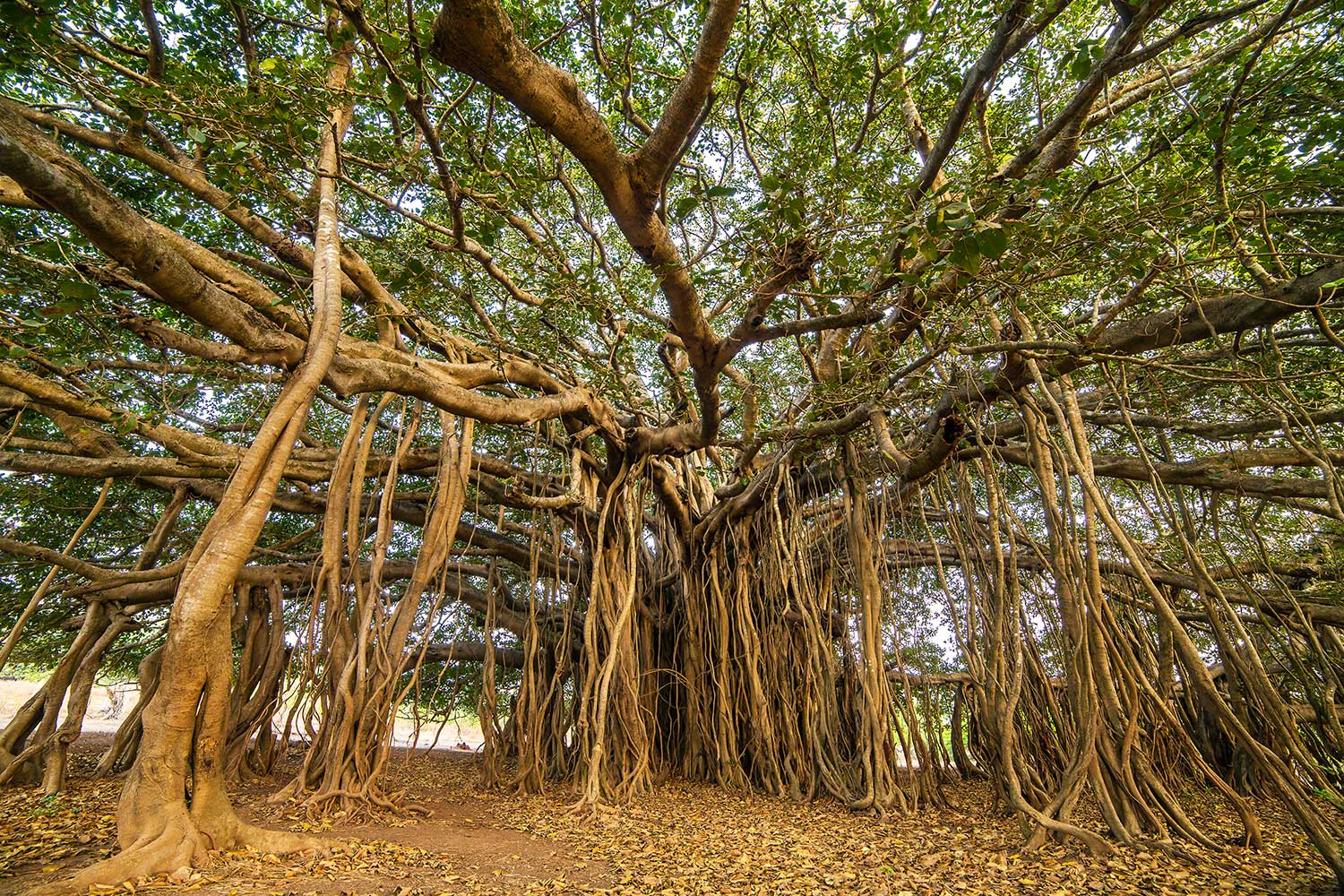
Banyan, also spelled "banian" is a fig that develops accessory trunks from adventitious

Medicinal Plant

Vata (Banyan Tree)

Banyan, also spelled "banian" is a fig that develops accessory trunks from adventitious

Banyan, also spelled "banian" is a fig that develops accessory trunks from adventitious

prop roots, allowing the tree to spread outwards indefinitely. This distinguishes banyans

from other trees with a strangler habit that begin life as an epiphyte i.e. a plant that grows

on another plant, when its seed germinates in a crack or crevice of a host tree or edifice.

"Banyan" often specifically denotes Ficus benghalensis (the "Indian banyan"), which is the

national tree of India.

Scientific Name

Ficus benghalensis

Family

Moraceae

Common Name

Banyan Tree

Vata
Vata Banyan Tree medicinal plant
Botanical Description

About the Vata Plant

The banyan reaches a height up to 30 metres (100 feet) and spreads laterally indefinitely. Aerial roots that develop from its branches descend and take root in the soil to become new trunks. One tree may in time assume the appearance of a very dense thicket as a result of the tangle of roots and trunks.

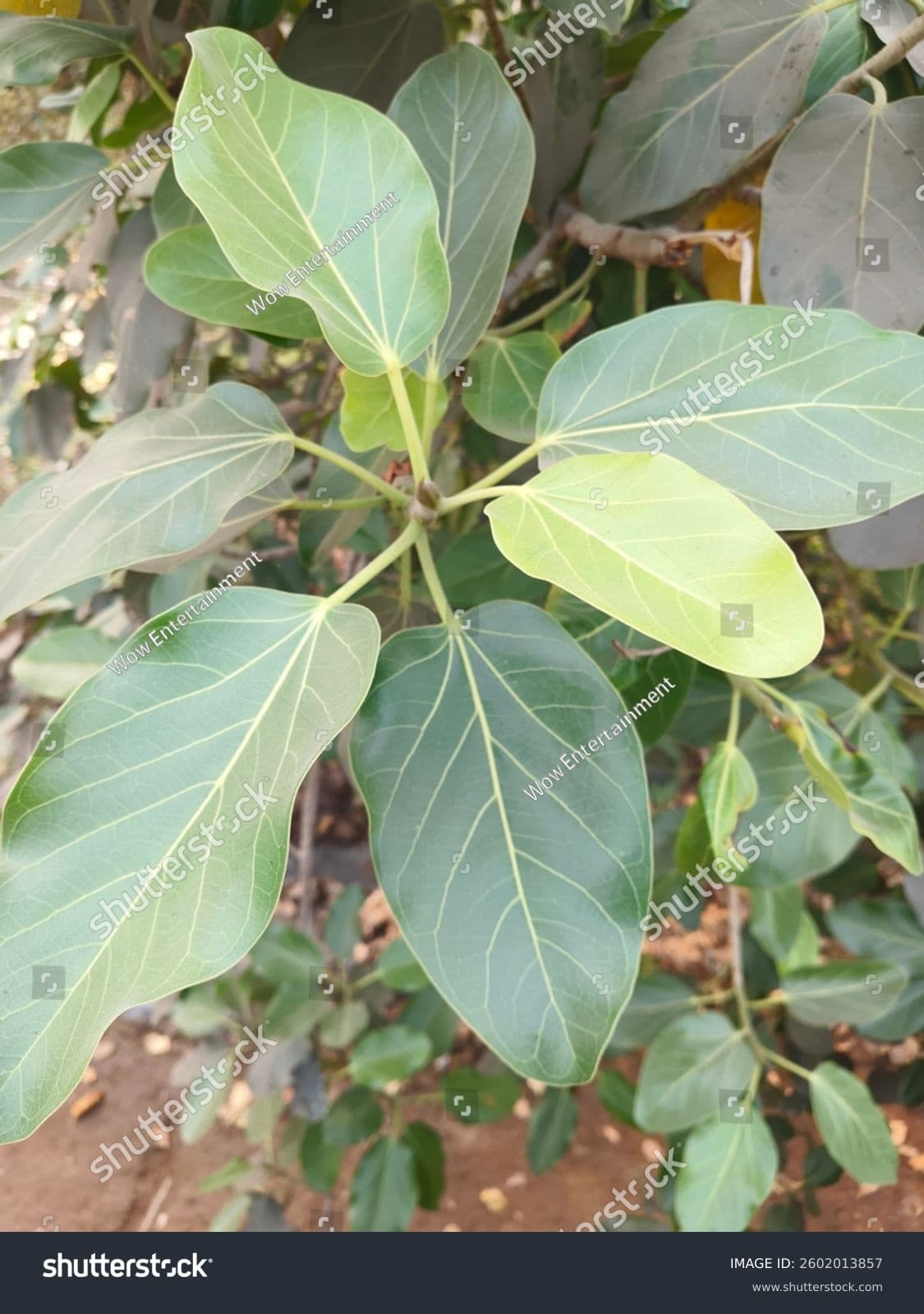
The leaves of the banyan tree are large, leathery, glossy, green, and elliptical. Like most figs, the leaf bud is covered by two large scales. As the leaf develops the scales abscise. Young leaves have an attractive reddish tinge.

Ayurvedic Properties

Rasa · Guna · Virya · Vipaka

This extraordinary tree has been there since the archaic times and is mentioned in several Ayurvedic scriptures like Charaka Samhita, Raj Nighantu, Susruta Samhita etc for the following indications: Sangrahini (treats diarrhoea) ,Prameha (manages diabetes) , Vamana (prevents nausea and vomiting) ,Dahahara (relieves burning sensation) ,Yakrit vikara (treats liver problems) ,Raktadoshahara (blood purifying) ,Vran Ropana (heals wounds) ,Varnya (improves complexion) ,Krimihara (relieves intestinal worms) and Hridaya (treats heart problems) , etc.

Rasa(Taste)

Rasa(Taste)

Kashaya ( Astrignent in taste )

Kashaya ( Astrignent in taste )

Guna(Qualities)

Guna(Qualities)

Guru (Heavy for digestion ) ,Ruksha (Dry )

Guru (Heavy for digestion ) ,Ruksha (Dry )

Veerya ( Potency )

Veerya ( Potency )

Sheeta ( Cold )

Sheeta ( Cold )

Vipaka

Vipaka

Katu ( After digestion undergoes pungent)

Katu ( After digestion undergoes pungent)

Karma ( Actions )

Karma ( Actions )

Kaphapitta shamaka

Kaphapitta shamaka

Chemical Composition

Phytochemical Constituents

Beta-sitosterol, D-glucoside, leucoanthocyanin, tiglic acid, vitamin-k, stigmasterol are present as an important phytoconstituents.

The seeds also contain minerals like sodium, potassium, calcium, manganese, iron, chromium, copper and phosphorous.

Ficus benghalensis is used as traditional medicine in South Asian countries. Potential Uses of banyan for liver:The coumarins present in Banyan fruit may also show liver protective activity.

Flavonoids, terpenoids and fatty acids are reported as main constituents. Extracts have shown various promising biological activities.

Health Benefits

Therapeutic Benefits of Vata

From classical Ayurvedic indications to modern phytotherapeutic insights — explore the spectrum of wellness benefits this herb has to offer.

01

Diarrhea

Banyan is an effective herb for controlling diarrhea. Diarrhea, also known as Atisar in Ayurveda, is caused due to improper food, impure water, toxins, mental stress, and Agnimandya (weak digestive fire). All these factors are responsible for aggravating Vata. This aggravated Vata brings fluid in the intestine from various body tissues and mixes them with the stools. This leads to loose, watery motions or Diarrhea. Using Banyan bark powder helps to control the loss of water from the body by making the stool thick due to its Kashaya (astringent) property.

02

Leucorrhea

Leucorrhea is a thick, whitish discharge from the female genitals. According to Ayurveda, leucorrhea is due to an imbalance of Kapha dosha. Banyan shows a good result in leucorrhea because of its Kashaya (astringent) property. It helps to control aggravated Kapha and reduce the symptoms of leucorrhea.

03

Skin cuts

Banyan is an effective herb to control bleeding when applied on skin cuts and injuries. External application of Banyan bark paste or Kwath (decoction) helps to control bleeding and quickens wound healing due to its Kashaya (astringent) and Sita (cold) properties.

04

Sunburn

Banyan is useful for sunburn. According to Ayurveda, sunburn occurs due to the aggravation of Pitta dosha on continuous exposure to the sun. Applying Banyan bark paste on affected area gives an excellent cooling effect and reduces burning sensation due to its Sita (cold) and Ropan (healing) nature.

05

Antioxidant

Banyan has many health benefits. It helps manage blood glucose levels by increasing insulin secretion due to its antioxidant properties. The antioxidants present in Banyan also helps to lower bad cholesterol levels.

06

Liver Diseases

Oral administration of the latex produced by the Banyan tree showed liver-protective benefits in rats. The latex treatment could improve liver functions during the trial. The fruit extract also showed reduced liver toxicity in laboratory studies. The antioxidant compounds present in the fruits might have contributed to the liver-protective action. Potential Uses of banyan for liver: