Rasa (Taste)
Tikta, Madhura
The primary taste perceived on the tongue.

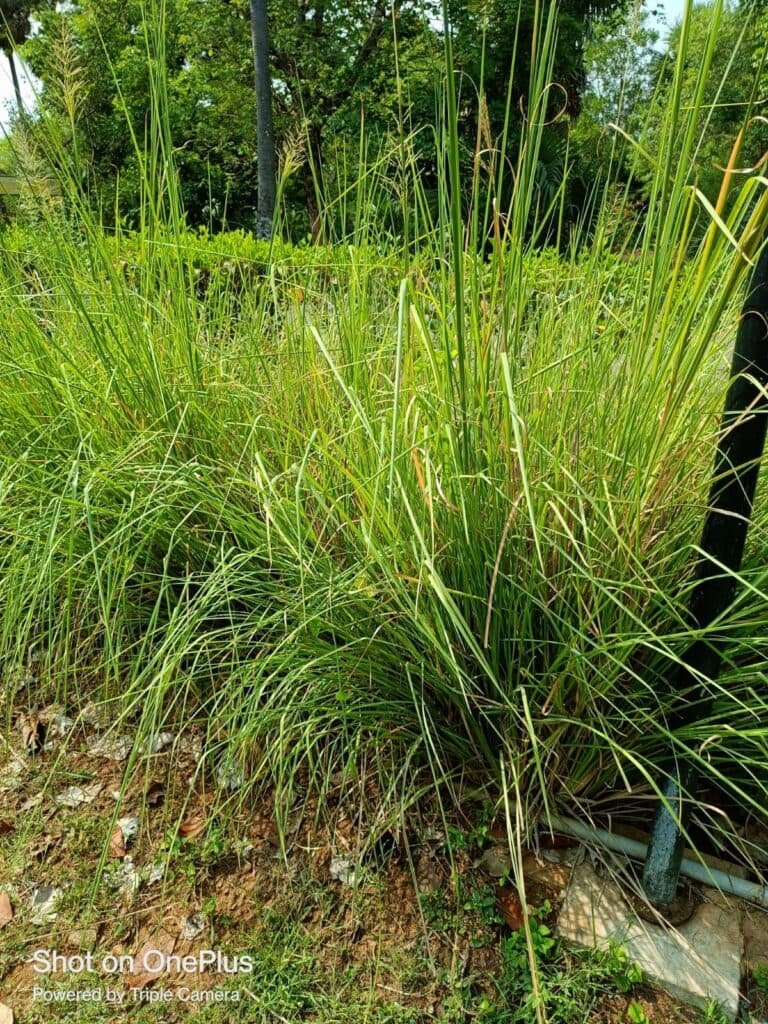
Ushira is a dense, tufted perennial grass with an extensively deep root system.
Vetiveria zizanioides · Gramiacea
Ushira is a dense, tufted perennial grass with an extensively deep root system.
Scientific Name
Vetiveria zizanioides
Family
Gramiacea
Hindi Name
Khasa
Used Part
Usheer Root, Vetiver Oil
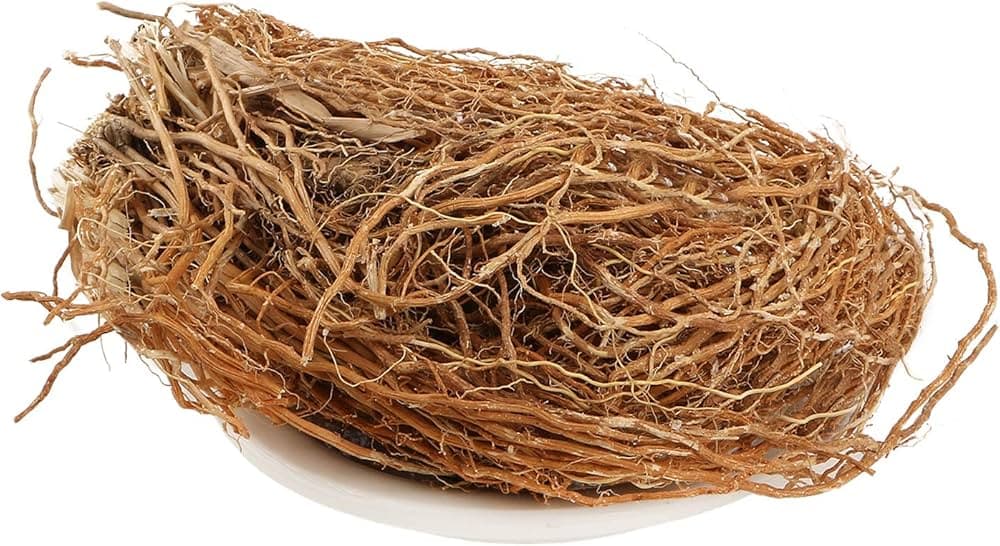
Morphology and field-identification notes as documented in our Dravyaguna library.
Ushira is a dense, tufted perennial grass with an extensively deep root system. Famous for its highly aromatic and cooling roots, this grass features tall, stiff stems, linear rigid leaves, and purplish-brown flower panicles.
The five-fold framework Ayurveda uses to describe a drug — Rasa, Guna, Vipaka, Veerya and its effect on the doshas.
Tikta, Madhura
The primary taste perceived on the tongue.
Ruksa, Laghu
Physical and energetic attributes of the dravya.
Katu
Taste that emerges after complete digestion.
Kapha-pittahar
Effect on Vata, Pitta and Kapha doshas.
Sheeta
Heating (ushna) or cooling (sheeta) energy.
Pachana, Stambhana, Dahaprashaman, Varnya, Jwarahara , Mutrala.
How modern science maps onto the classical understanding of this dravya.
Pharmacological Action
Antimicrobial, Anxiolytic,Diuretic effects, Antioxidant , Anti-inflammatory, Astringent & Hemostatic.
Phytoconstituents
Etiselinenol , Khusimol, Allokhusiol, Benzoic acid, Cyclocapacamphene, Epikhusinol, Epizizanal, 2-epizizanone, Beta- eudesmol, Eugenol, Isokhusimol, Isokhusinoloxide, Isovalencenol, Isovalencic acid, Isovalesenol, Khusimene.
Classical Ayurvedic indications drawn directly from the Dravyaguna tradition — paired with the preparations recommended in shastra.
01
Jwara - shadangapaniya preparation of ushira is beneficial in fever.
02
Chardi - ushira and balaka powder with rice water is beneficial in vomiting.
03
Mutrakrichha - root powder with rock sugar is beneficial in burning micturition.
Always consult a qualified Ayurvedic physician before using any herb therapeutically. Dose, anupana and Prakriti-specific suitability matter.
Yoga / Kalpana
Common Ayurvedic preparations where Ushir is a key ingredient.
Shastra Pramana
उशीरं पाचनं शीतं स्तम्भनं लघु तिक्तरम् । मधुरं ज्वरदाहतृप्तिमदमूर्च्छापित्तहृत् । तृष्णाविषविसर्पपित्तदाहकुष्ठकृमिघ्नम्