Ishan Ayurvedic Medical College & Research Centre
Tulsi

Tulsi

O. sanctum is a widely grown, sacred plant of India. Hindus grow Tulsi as a religious plant in their homes, temples and their farms.

Medicinal Plant

Tulsi

O. sanctum is a widely grown, sacred plant of India. Hindus grow Tulsi as a religious plant in their homes, temples and their farms.

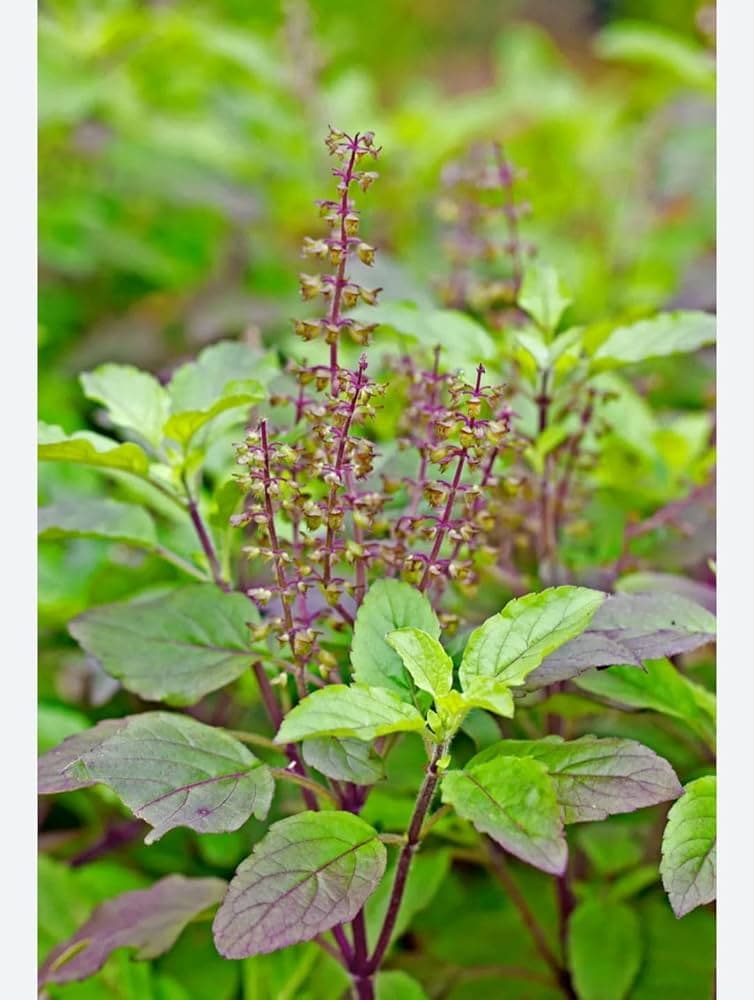
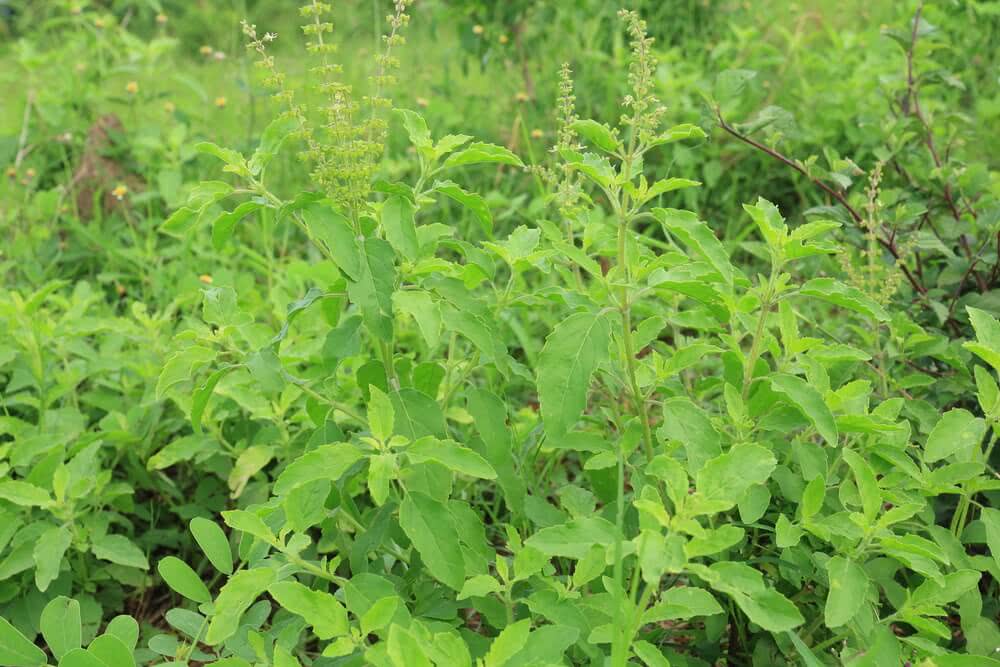
O. sanctum is a widely grown, sacred plant of India. Hindus grow Tulsi as a religious plant in their homes, temples and their farms. They use Tulsi leaves in routine worship. Tulsi, grown as a pot plant, is found in almost every traditional Hindu house. The natural habitat of Tulsi varies from sea level to an altitude of 2000 m. It is found growing naturally in moist soil nearly all over the globe. Tulsi is a branched, fragrant and erect herb having hair all over. It attains a height of about 75 to 90 cm when mature. Its leaves are nearly round and up to 5 cm long with the margin being entire or toothed. These are aromatic because of the presence of a kind of scented oil in them. A variety with green leaves is called Shri Tulsi and one with reddish leaves is called Krishna Tulsi. Tulsi flowers are small having purple to reddish color, present in small compact clusters on cylindrical spikes. Stalkless heart-shaped bracts are there at the base of each flower cluster. Sepal cup is not hairy within. Flowers are rarerly longer than 5 mm, calyx tube bearded outside near base. Flower tube is hairy. The fruits are small and the seeds yellow to reddish in color.

Scientific Name

Ocimum sanctum

Family

Lamiaceae

Common Name

Tulsi

Tulsi
Tulsi Holy Bassil medicinal plant
Botanical Description

About the Tulsi Plant

O. sanctum is a widely grown, sacred plant of India. Hindus grow Tulsi as a religious plant in their homes, temples and their farms. They use Tulsi leaves in routine worship. Tulsi, grown as a pot plant, is found in almost every traditional Hindu house. The natural habitat of Tulsi varies from sea level to an altitude of 2000 m. It is found growing naturally in moist soil nearly all over the globe. Tulsi is a branched, fragrant and erect herb having hair all over. It attains a height of about 75 to 90 cm when mature. Its leaves are nearly round and up to 5 cm long with the margin being entire or toothed. These are aromatic because of the presence of a kind of scented oil in them. A variety with green leaves is called Shri Tulsi and one with reddish leaves is called Krishna Tulsi. Tulsi flowers are small having purple to reddish color, present in small compact clusters on cylindrical spikes. Stalkless heart-shaped bracts are there at the base of each flower cluster. Sepal cup is not hairy within. Flowers are rarerly longer than 5 mm, calyx tube bearded outside near base. Flower tube is hairy. The fruits are small and the seeds yellow to reddish in color.

Ayurvedic Properties

Rasa · Guna · Virya · Vipaka

Guna

Guna

Laghu,Ruksha, Katu,Tikta

Laghu,Ruksha, Katu,Tikta

Rasa

Rasa

Katu,Tikta

Katu,Tikta

Virya

Virya

Ushna

Ushna

Vipaka

Vipaka

Katu

Katu

Chemical Composition

Phytochemical Constituents

The main chemical constituents of Tulsi are Oleanolic acid, Ursolic acid, Rosmarinic acid, Eugenol, Carvacrol, Linalool, and β-caryophyllene, have been used extensively for many years in food products, perfumery, and dental and oral products and plant extract continues the numerous searches for more effective drugs of plant origin which are less toxic and available for low socio-economic population in the treatment of diseases caused by pathogenic bacteria.

Health Benefits

Therapeutic Benefits of Tulsi

From classical Ayurvedic indications to modern phytotherapeutic insights — explore the spectrum of wellness benefits this herb has to offer.

01

Tulsi is a well

known immunomodulatory herb that might improve the individual’s ability to fight against common cold. Tulsi has antimicrobial, anti-allergic and anti-inflammatory properties, therefore prevents the inflammation of the nasal mucous membrane. It also prevents the regular recurrence of the common cold symptoms.

02

Influenza (flu)

Tulsi acts as an immunomodulator and prevents viral infection. It also has antipyretic and diaphoretic activity, which induces sweating and normalizes elevated body temperature.

03

Asthma

Tulsi has immunomodulatory activity and prevents the regular recurrence of asthmatic symptoms. It also has anti-allergic and anti-inflammatory properties and reduces the inflammation of the mucous membrane of the bronchial tubes. Tulsi also acts as an expectorant that expels excess mucus from the lungs.

04

Tulsi is a well

known adaptogenic herb that might improve the individual’s ability to deal with stress. Stress increases the secretion of adrenocorticotropic hormone (ACTH) which in turn increases the cortisol levels (stress hormone) in the body.

05

Diabetes

Tulsi be useful in managing diabetes and diabetes related complications. Studies suggest that Tulsi has hypoglycemic effect and decreases the elevated blood glucose levels by increasing insulin secretion and insulin sensitivity.

06

Detoxification

It is believed to have detoxifying properties that can help cleanse the body of toxins and support liver functions.

07

Digestive health

Tulsi helsp in digestion by reducing gas and bloating. It can also help regulate appetite and support healthy metabolism.

08

Is Tulsi safe

Tulsi or Holy Basil, is generally considered safe for most people when consumed in moderate amounts as a food or herbal remedy.

09

Contradictions

There are certain contraductions and precautions to be aware of, particularly if you have specific health conditions or are taking medications.