Rasa (Taste)
Tikta, Madhura.
The primary taste perceived on the tongue.

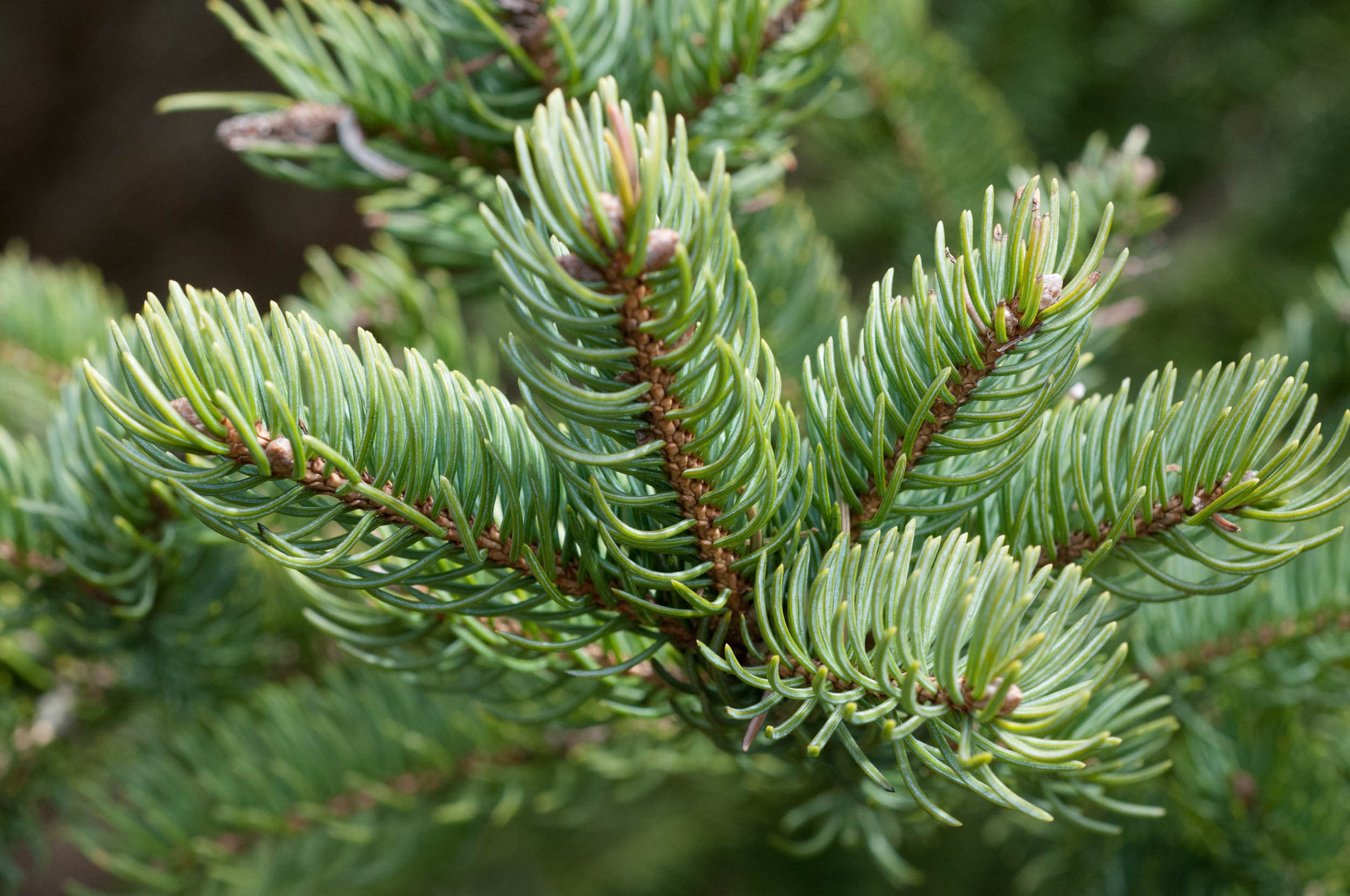
Talish is a small or medium sized evergreen tree.
Abies webbiana Lindle · Pinaceace
Talish is a small or medium sized evergreen tree.
Scientific Name
Abies webbiana Lindle
Family
Pinaceace
Hindi Name
Talispatra
Used Part
Patra (leaves )
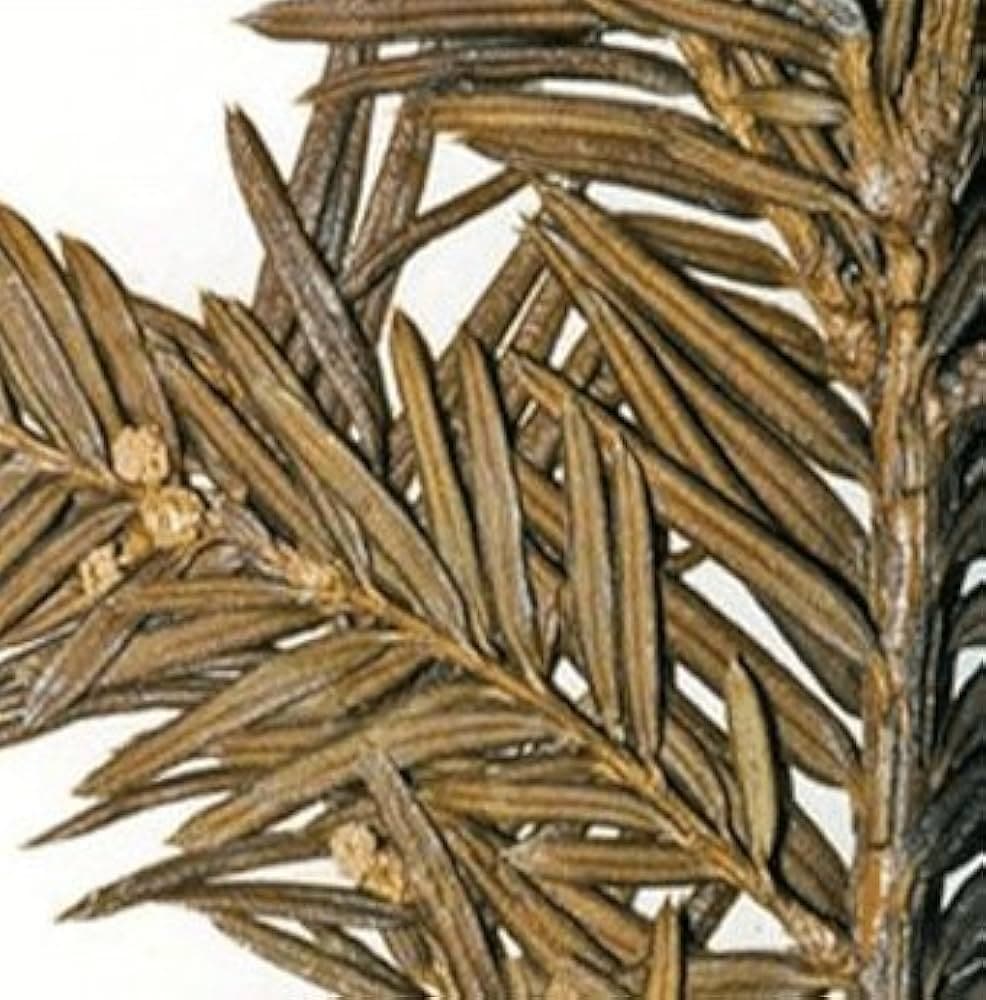
Morphology and field-identification notes as documented in our Dravyaguna library.
Talish is a small or medium sized evergreen tree. The stem is fluted and branches are horizontal, wide spreading, not whorled.
The leaves are linear, flattened, distichous, acute, narrowed into a short petiole which is decurrent along the twig, dark green and shining above, pale yellowish brown or rusty red below.
Male inflorescence is Catkin female is with solitary flowerIn fruit the disk enlarges, becomes succulent and bright red and surrounds the olive green seed of which only the tip is exposed.
The five-fold framework Ayurveda uses to describe a drug — Rasa, Guna, Vipaka, Veerya and its effect on the doshas.
Tikta, Madhura.
The primary taste perceived on the tongue.
Laghu, Tikshna
Physical and energetic attributes of the dravya.
Katu
Taste that emerges after complete digestion.
Kapha Vata Shamaka
Effect on Vata, Pitta and Kapha doshas.
Ushna
Heating (ushna) or cooling (sheeta) energy.
Shwasahara, Deepana, Hrudya, Gulmahara, Amahara, Agnimandyahara.
How modern science maps onto the classical understanding of this dravya.
Pharmacological Action
Antispasmodiac, Antipyretic, Expectorant, Stomachic, Anti-bacterial, Anti-inflammatory.
Phytoconstituents
Abiesin, n-Tricontanol, Beta-sitosterol, Betuloside, Biflavanoides, Nietine, Betuloside
Classical Ayurvedic indications drawn directly from the Dravyaguna tradition — paired with the preparations recommended in shastra.
01
Leaves powder with vasa juice is beneficial in cough.
02
leaves powder with karpura and rock sugar is given in anorexia.
03
Leaves powder with vasa leaves juice is given in epistaxis.
Always consult a qualified Ayurvedic physician before using any herb therapeutically. Dose, anupana and Prakriti-specific suitability matter.
Yoga / Kalpana
Common Ayurvedic preparations where Talish is a key ingredient.
Shastra Pramana
तालीसो वत्रिपत्रश्च तथा धात्रीपत्रकः ।पत्रढ्यः शुकोदरश्चैव पर्णिको नील इत्यपि ।।तालीसः शीतलो वृष्यः कफवातज्वरापहः ।दीपनः कण्ठरोगघ्नः श्वासकासविनाशनः ।।