Rasa (Taste)
Katu
The primary taste perceived on the tongue.

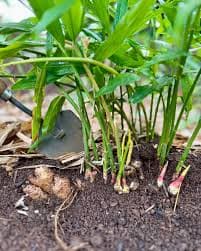
Shunthi, is classified as a herbaceous perennial monocot.
Zingiber officinale · Zingiberaceae
Shunthi, is classified as a herbaceous perennial monocot.
Scientific Name
Zingiber officinale
Family
Zingiberaceae
Hindi Name
Sonth
Used Part
Rhizome (root)
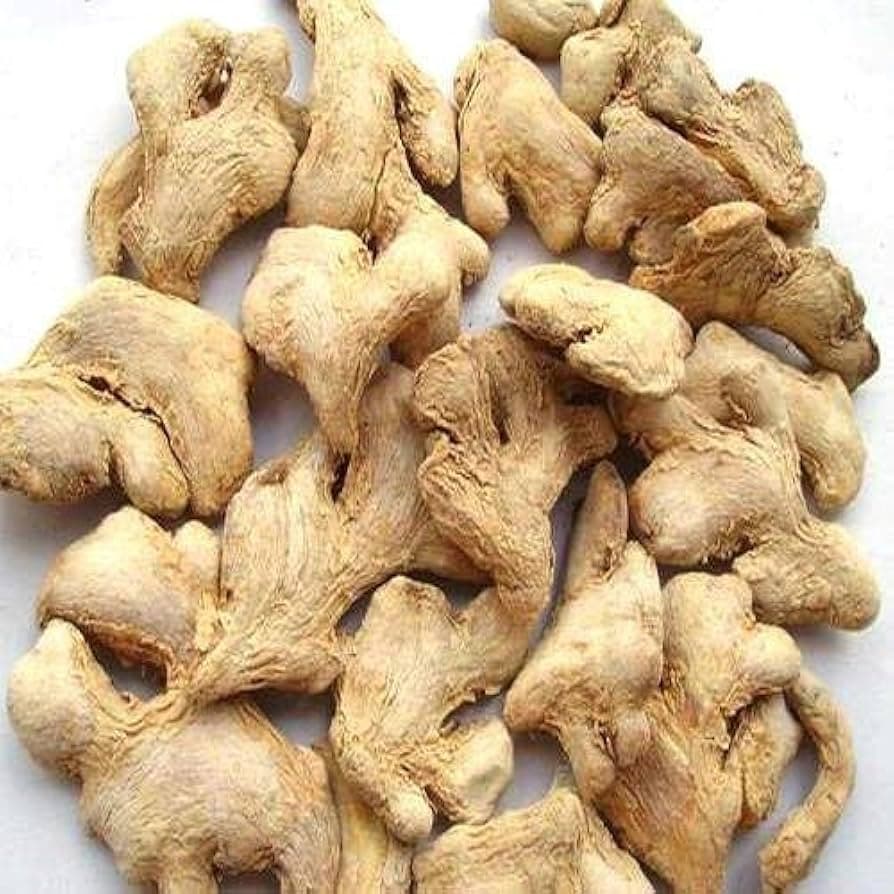
Morphology and field-identification notes as documented in our Dravyaguna library.
Shunthi, is classified as a herbaceous perennial monocot. While fresh ginger is called Ardraka, Shunthi represents the dehydrated, peeled, and cured rhizome. Its unique morphology spans both the living plant and the dried spice.
The five-fold framework Ayurveda uses to describe a drug — Rasa, Guna, Vipaka, Veerya and its effect on the doshas.
Katu
The primary taste perceived on the tongue.
Guru, Ruksha, Tikshna
Physical and energetic attributes of the dravya.
Madhura
Taste that emerges after complete digestion.
Kapha Hara
Effect on Vata, Pitta and Kapha doshas.
Ushna
Heating (ushna) or cooling (sheeta) energy.
Pachana, Bhedana, Rochana, Dipana.
How modern science maps onto the classical understanding of this dravya.
Pharmacological Action
Anti-Inflammatory, Antimicrobial, Antioxidant, Anticancer properties.
Phytoconstituents
Gingerol Shogaol Zingiberene Zingerone Bisabolene
Classical Ayurvedic indications drawn directly from the Dravyaguna tradition — paired with the preparations recommended in shastra.
01
Cold and Cough Mix dry ginger powder with honey and take 1–2 times daily to relieve cough, sore throat and cold.
02
Indigestion and Gas Take a pinch of dry ginger powder with warm water after meals to reduce bloating and improve digestion.
03
Nausea and Motion Sickness Drink dry ginger tea to reduce nausea, vomiting, and travel sickness.
04
Joint Pain and Body Ache Dry ginger decoction or warm ginger water helps reduce body pain and stiffness due to its anti-inflammatory action.
05
Menstrual Pain Drinking warm dry ginger tea during periods may help reduce cramps and discomfort.
Always consult a qualified Ayurvedic physician before using any herb therapeutically. Dose, anupana and Prakriti-specific suitability matter.
Yoga / Kalpana
Common Ayurvedic preparations where Shunthi is a key ingredient.
Shastra Pramana
शुण्ठी कटुकाोष्णवीर्या च मधुरा पाककर्मणि | दीपनी पाचनी वृष्या कफवातविनाशिनी ||