Rasa (Taste)
Kashaya, Tikta, Madhura
The primary taste perceived on the tongue.

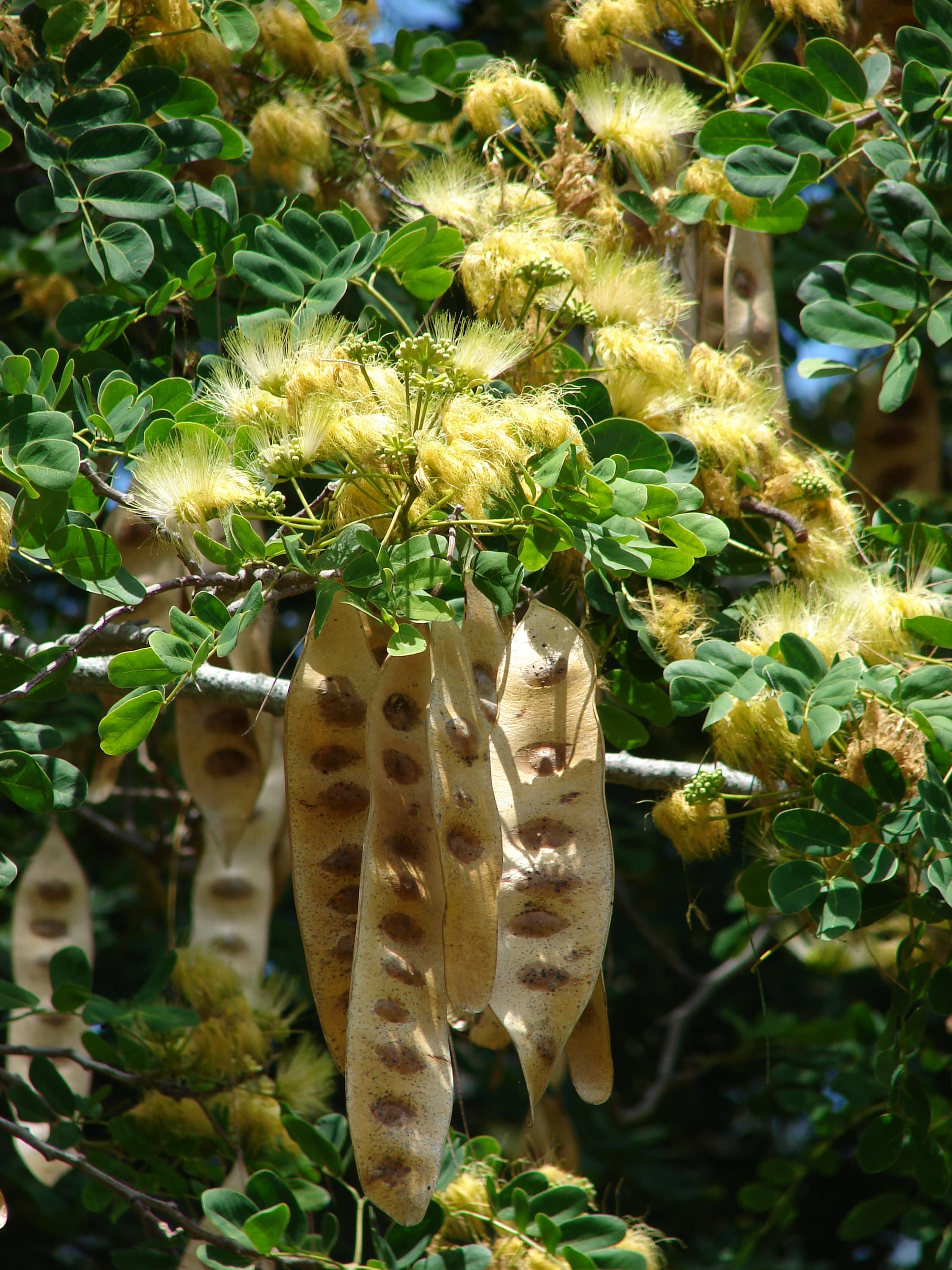
Habit-Large unarmed deciduous tree grows 35 to 65 ft.
Albizzia lebbeck benth. · Leguminosae
Habit-Large unarmed deciduous tree grows 35 to 65 ft.
Scientific Name
Albizzia lebbeck benth.
Family
Leguminosae
Hindi Name
Siris, Siras
Used Part
Stem Bark, flower, seeds, leaves.
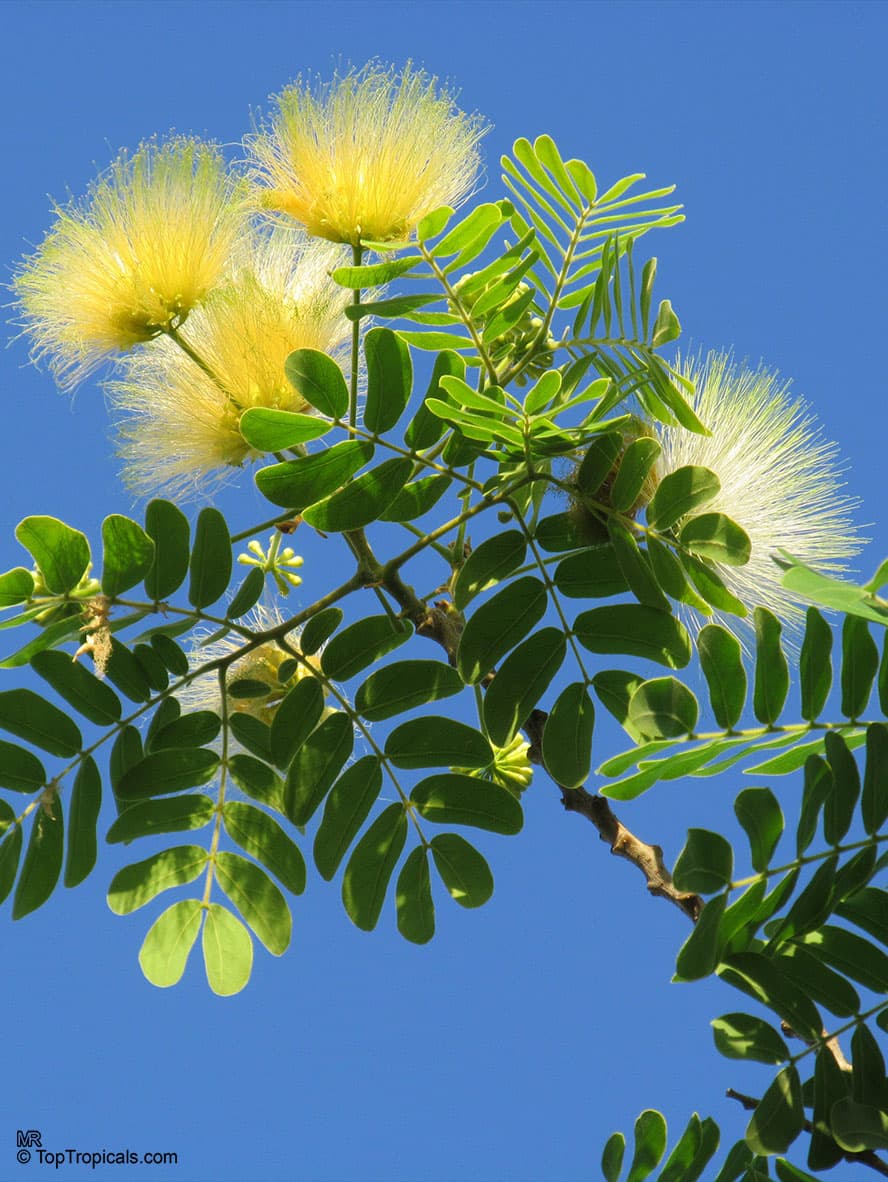
Morphology and field-identification notes as documented in our Dravyaguna library.
Habit-Large unarmed deciduous tree grows 35 to 65 ft. in height.
Root-Tap root system goes much deeper. Bark- Pale, young shoots glabrous, bark is fissured. Stem-Branched, woody, cylindrical. Leaves- Compound, evenly pinnate, petiolate, stipulate,stipules are minute, leaflets are 3 to 9 pairs, opposite,sessile or sub-sessile, oblique, upper surface is green ormottled with white, under surface is lighter withunicostate reticulate venation.
The five-fold framework Ayurveda uses to describe a drug — Rasa, Guna, Vipaka, Veerya and its effect on the doshas.
Kashaya, Tikta, Madhura
The primary taste perceived on the tongue.
Laghu, Ruksha, Tikshna
Physical and energetic attributes of the dravya.
Katu
Taste that emerges after complete digestion.
Tridoshahara
Effect on Vata, Pitta and Kapha doshas.
Ushna
Heating (ushna) or cooling (sheeta) energy.
Vranahara – useful to heal wound quickly. Krumihara – useful to relieve worm infestation and infection. Useful in the treatment of insect bite, scorpion bite, rat bite etc. Removes the toxic effect of rodent bite. Vishamajwara – useful in recurrent and chronic fever. Sarpagandha has a calming effect on the mind and brain. It induces sleep. It also relieves an excited state of mind, hence useful in schizophrenia (insanity). It decreases blood pressure. It contracts the uterus and induces menstruation. It is used in the treatment of epilepsy, panic attacks and anxiety, although it is not indicated in the treatment of depression. It suppresses early ejaculation. Hence used in the treatment of premature ejaculation and early excitement..
How modern science maps onto the classical understanding of this dravya.
Pharmacological Action
Anti-allergic, Anti-inflammatory, Analgesic, Anti-oxidant.
Phytoconstituents
Beta-sitosterol, Kaempferol, Myricitrin, Reyoutrin, Benzok acid, Albigenin, Albiziagenin, Albegenic acid, Lebbekanins.
Classical Ayurvedic indications drawn directly from the Dravyaguna tradition — paired with the preparations recommended in shastra.
01
Vranahara – useful to heal wound quickly
02
Krumihara – useful to relieve worm infestation and infection
03
Useful in the treatment of insect bite, scorpion bite, rat bite etc. Removes the toxic effect of rodent bite.
04
Vishamajwara – useful in recurrent and chronic fever
05
Sarpagandha has a calming effect on the mind and brain. It induces sleep. It also relieves an excited state of mind, hence useful in schizophrenia (insanity).
06
It decreases blood pressure.
07
It contracts the uterus and induces menstruation.
08
It is used in the treatment of epilepsy, panic attacks and anxiety, although it is not indicated in the treatment of depression.
09
It suppresses early ejaculation. Hence used in the treatment of premature ejaculation and early excitement.
Always consult a qualified Ayurvedic physician before using any herb therapeutically. Dose, anupana and Prakriti-specific suitability matter.
Yoga / Kalpana
Common Ayurvedic preparations where Shirisha is a key ingredient.
Shastra Pramana
शिरीषो मधुरोऽनुष्णस्तिक्तश्च तुवरो लघुः |दोषशोथविसर्पघ्नः कासव्रणविषापहः ||