Rasa (Taste)
Kashaya, Katu, Tikta.
The primary taste perceived on the tongue.

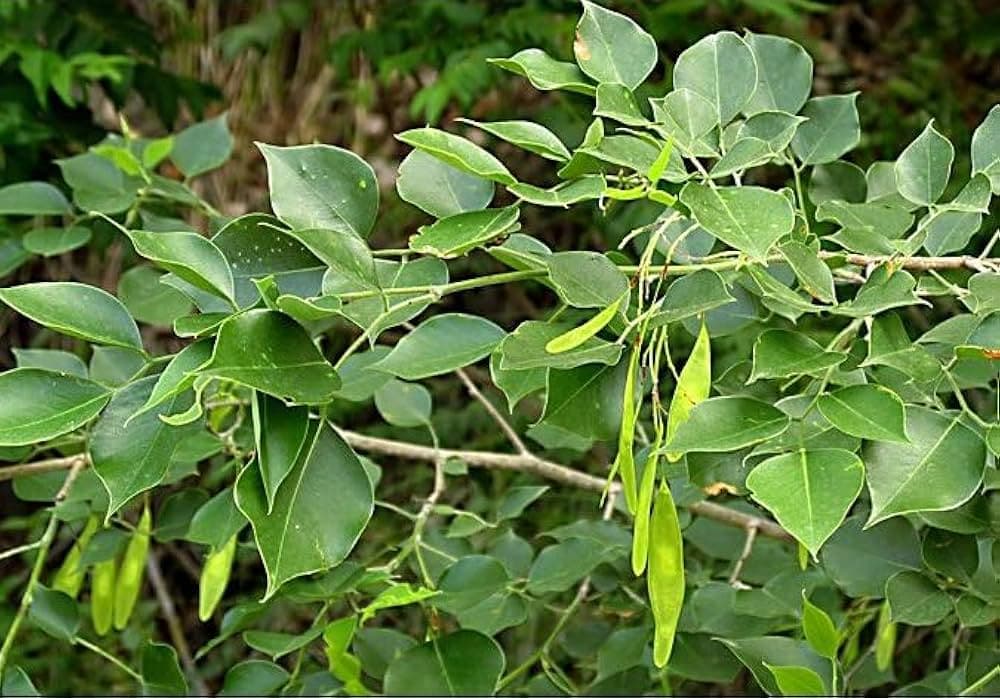
It is a medium to large deciduous tree with a light crown, which reproduces by seeds and suckers.
Dalbergia sissoo · Fabaceae
It is a medium to large deciduous tree with a light crown, which reproduces by seeds and suckers.
Scientific Name
Dalbergia sissoo
Family
Fabaceae
Hindi Name
Shisham
Used Part
Leaves, Sara, Bark, Root.
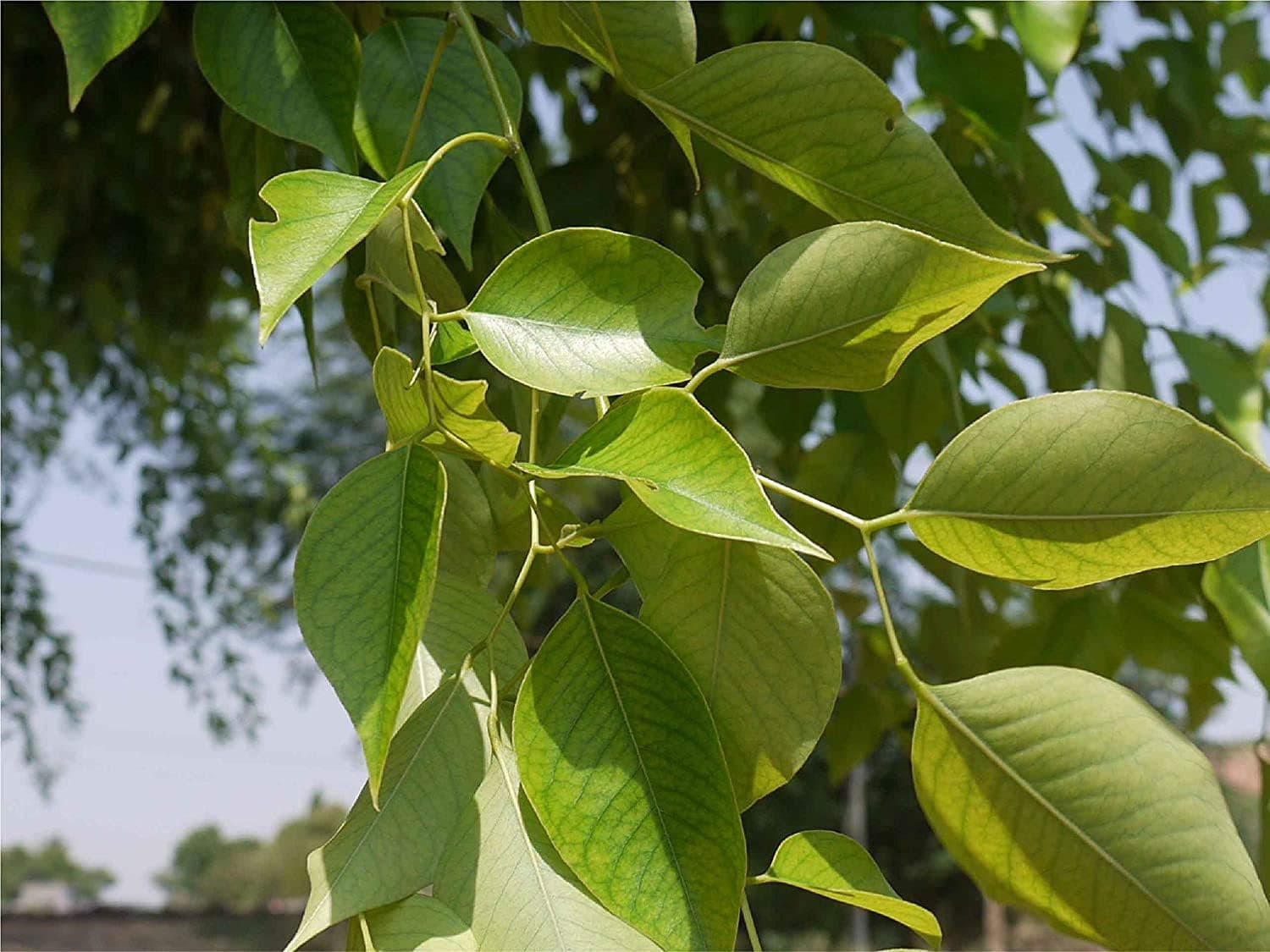
Morphology and field-identification notes as documented in our Dravyaguna library.
It is a medium to large deciduous tree with a light crown, which reproduces by seeds and suckers. It can grow up to 25 m (82 ft) in height and 2 to 3 m (6 ft 7 in to 9 ft 10 in) in diameter, but is usually smaller. Trunks are often crooked when grown in the open. Leaves are leathery, alternate, pinnately compound, and about 15 cm (5.9 in) long. Flowers are whitish to pink, fragrant, nearly sessile, up to 1.5 cm (0.59 in) long, and in dense clusters 5 to 10 cm (2.0 to 3.9 in) in length. Pods are oblong, flat, thin, strap-like, 4 to 8 cm (1.6 to 3.1 in) long, 1 cm (0.39 in) wide, and light brown. They contain one to five flat, bean-shaped seeds, 8 to 10 mm (0.31 to 0.39 in) long.
The five-fold framework Ayurveda uses to describe a drug — Rasa, Guna, Vipaka, Veerya and its effect on the doshas.
Kashaya, Katu, Tikta.
The primary taste perceived on the tongue.
Laghu, Ruksha
Physical and energetic attributes of the dravya.
Katu
Taste that emerges after complete digestion.
Kaphahara
Effect on Vata, Pitta and Kapha doshas.
Ushna
Heating (ushna) or cooling (sheeta) energy.
• Shosha, Meda, Kushta, Shvitra, Krumi, Vrana, Daha, Asra, Kandu, Hikka, Shopha .
How modern science maps onto the classical understanding of this dravya.
Pharmacological Action
Anti-inflammatory activity Antioxidant action Antimicrobial effects Antidiabetic potential Wound healing activity
Phytoconstituents
Biochanin A, Tectorigenin ,Iso Tectorigenin, proteins, amino acids, phenolic compound and flavonoids, Dalberg Phenol, Delbergenon, Dalbergin, Methyl dalbergin.
Classical Ayurvedic indications drawn directly from the Dravyaguna tradition — paired with the preparations recommended in shastra.
01
Its oil is applied externally to treat infested wounds, sinuses.
02
Leaf juice extract is used for treating secondary amenorrhea.
03
Its heartwood is useful in correction of lipid profile – lowering LDL and VLDL and increasing HDL.
Always consult a qualified Ayurvedic physician before using any herb therapeutically. Dose, anupana and Prakriti-specific suitability matter.
Yoga / Kalpana
Common Ayurvedic preparations where Shinshapa is a key ingredient.
Shastra Pramana
शशिंशपा पपच्छिला श्यामा कृष्णसारा च सा गुरु | कपपला सैव मुनिशििभस्मगिेनिकीनिभिा ||२१|| शशिंशपा कटुका निक्िा कषाया शोषहाररणी | उष्णवीयाभ हरेन्मेदः कु ष्ठच्श्वत्रवशमकृमीि् | वच्स्िरुग्ब्रणदाहास्रबलासाि् गिभपानििी ||२२|| िावप्रकाश शशिंशपा कटुका निक्िा कषाया गिभपाििी । उष्णवीयाभ हरेि मेदः कफदाहवशमव्रणाि् ॥ ९७९ ॥ शोषकु ष्ठकृ शमच्श्वत्रबच्स्िरुक्पीिसािपप । ९८०१ कैयदेवनिघण्टु कष्णिं कण्डुदोषघ्ििं बच्स्िरोगपविाशिम् । शशिंशपायुगुल वण्यभ हहक्काशोफो पवसर्भयेि् । पपत्तदाहप्रशमििं बल्यिं रुचचकरिं परम् ॥ १२३॥ धन्वन्िररनिघण्टु श्यामाहदशशिंशपा निक्िा कटूष्णा कफवाििुि् । िष्टार्ीणभहरा दीप्या शोफािीसारहाररणी || १२७ ||