Rasa (Taste)
Katu
The primary taste perceived on the tongue.

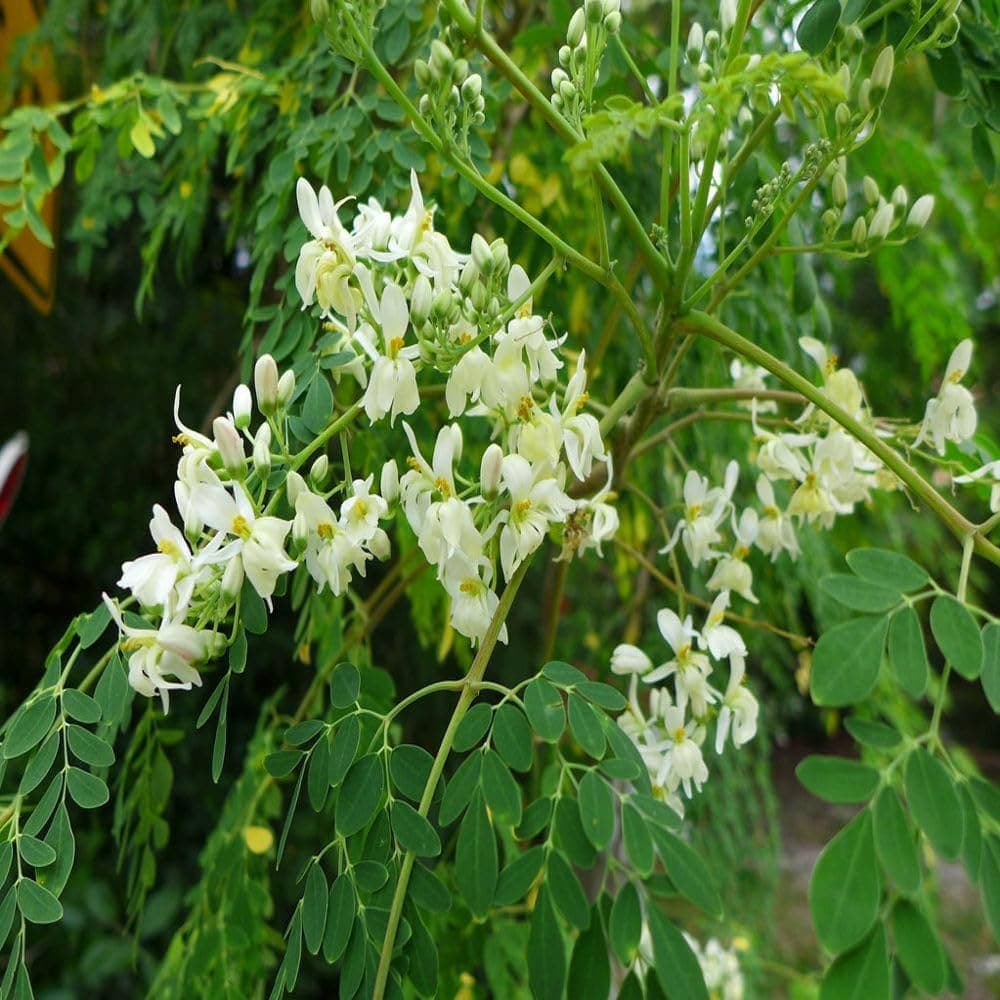
Shigru, also known as Moringa, is a fast-growing, drought-resistant tree native to tropical and subtropical regions.
Moringa oleifera · Moringaceae
Shigru, also known as Moringa, is a fast-growing, drought-resistant tree native to tropical and subtropical regions.
Scientific Name
Moringa oleifera
Family
Moringaceae
Hindi Name
Sahijan, Munaga
Used Part
Mool twak (root bark), Kandtwak ( Stem bark ), Patra (Leaves ), Phala (Fruits), Beej (Seeds).
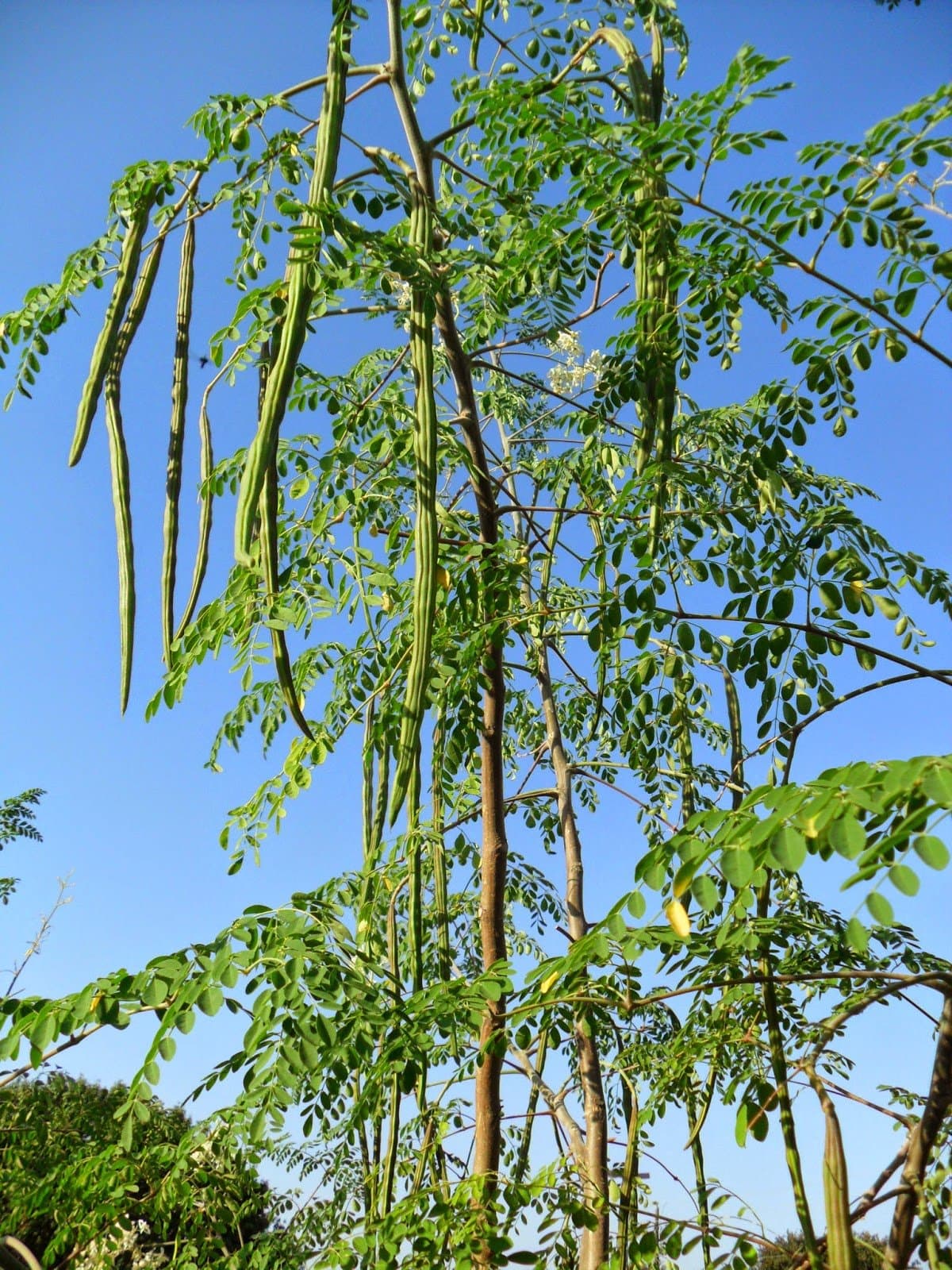
Morphology and field-identification notes as documented in our Dravyaguna library.
Shigru, also known as Moringa, is a fast-growing, drought-resistant tree native to tropical and subtropical regions. It has compound leaves with small, white, fragrant flowers. The tree produces long, slender, green pods filled with seeds.
The five-fold framework Ayurveda uses to describe a drug — Rasa, Guna, Vipaka, Veerya and its effect on the doshas.
Katu
The primary taste perceived on the tongue.
Laghu,Ruksha,Tikshna
Physical and energetic attributes of the dravya.
Katu
Taste that emerges after complete digestion.
Kaphhara pitta Prakopa
Effect on Vata, Pitta and Kapha doshas.
Ushna
Heating (ushna) or cooling (sheeta) energy.
Vidaahakrit, Sangrahi, Shukrala, Hrudya, Deepana , Rochana.
How modern science maps onto the classical understanding of this dravya.
Pharmacological Action
Anti-Inflammatory, Antimicrobial, Antioxidant, Anticancer properties.
Phytoconstituents
Moringa is known for its rich nutritional profile. It contains various chemical constituents, including vitamins (such as vitamin A, C, and E), minerals (like iron and calcium), amino acids, and phytonutrients (such as quercetin and chlorogenic acid).
Classical Ayurvedic indications drawn directly from the Dravyaguna tradition — paired with the preparations recommended in shastra.
01
Moringa leaves, seeds, and powder are used as dietary supplements to boost nutritional intake.
02
Moringa leaves and pods are consumed as a green vegetable in various dishes.
03
In traditional medicine, Moringa is used for its potential health benefits, including promoting digestion and enhancing energy levels.
04
Crushed Moringa seeds can be used to clarify turbid water by acting as a natural coagulant.
Always consult a qualified Ayurvedic physician before using any herb therapeutically. Dose, anupana and Prakriti-specific suitability matter.
Yoga / Kalpana
Common Ayurvedic preparations where Shigru is a key ingredient.
Shastra Pramana
शिग्रुः कटुः कटुः पाके तीक्ष्णोष्णो मधुरो लघुः । दीपनो रोचनो रूक्षः क्षारस्तिक्तो विदाहकृत् ॥ संग्राही शुक्रलो हृद्यः पित्तरक्तप्रकोपणः । चक्षुष्यः कफवातघ्नो विद्रधिश्वयथु क्रिमीन् ॥ मेदो अपची विष प्लीह गुल्म गण्डव्रणान् हरेत् । श्वेतः प्रोक्तगणो ज्ञेयो विशेषात् दाहकृत् भवेत् ॥ प्लीहानां विद्रधिं हन्ति व्रणघ्नः पित्तरक्तकृत् । मधुशिग्रुः प्रोक्तगुणो विशेषात् दीपनः सरः ॥ शिग्रुवल्कलपत्राणां स्वरसाः परमार्तिहृत् । चक्षुष्यः शिगुजं बीजं तीक्ष्णोष्णं विषनाशनम् ॥ अवृष्यं कफवातघ्नं तन्नस्येन शिरोऽर्तिनुत् ॥ भावप्रकाश