Rasa (Taste)
Katu, Tikta, Kashaya
The primary taste perceived on the tongue.

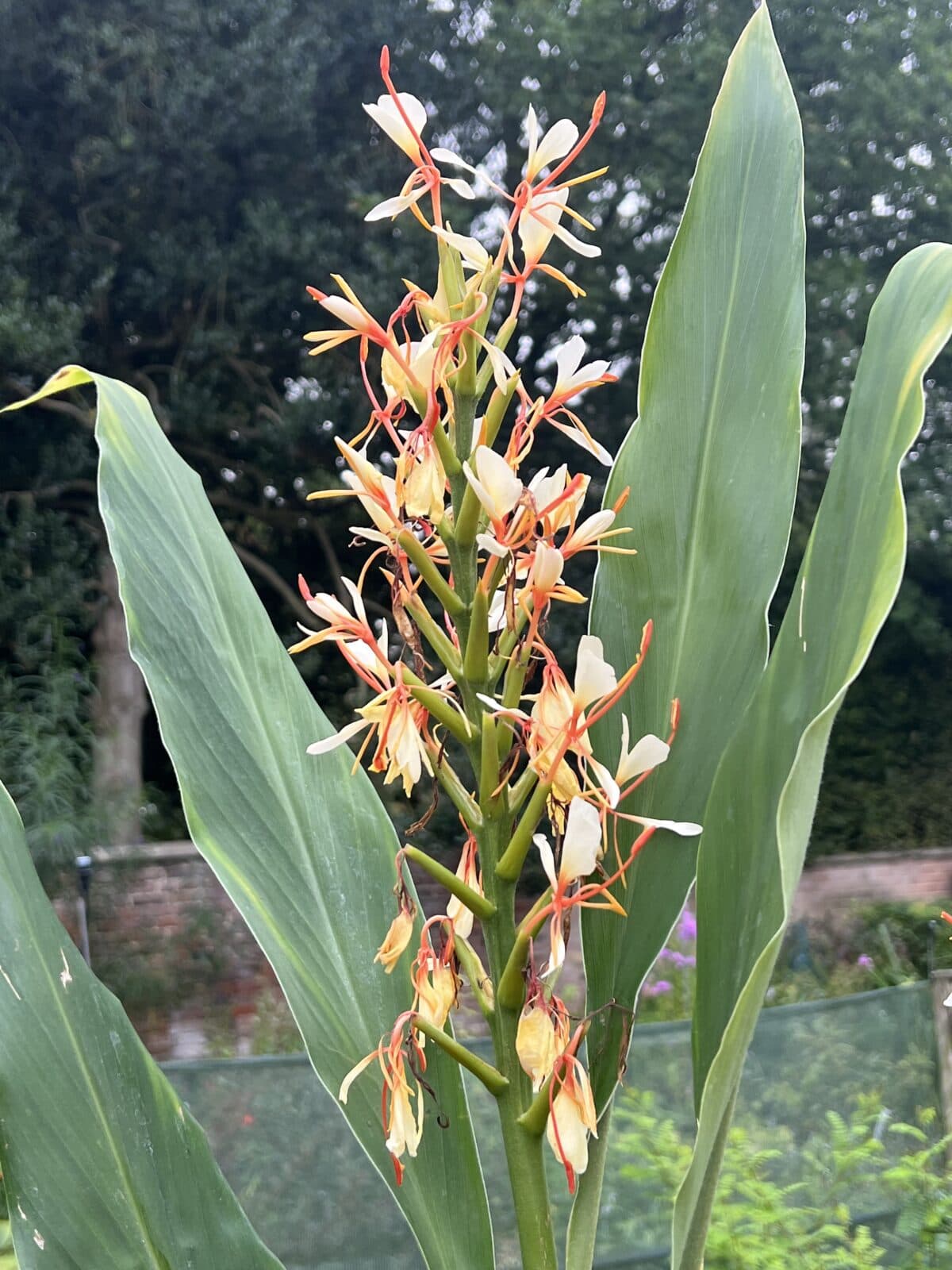
Shati is a small shrub growing to a height of 2-3 feet and is found in the Himalayan range and mountains of Himachal Pradesh, Sikkim, Nepal, Bhutan.
Hedychium spicatum. · Zingiberaceae
Shati is a small shrub growing to a height of 2-3 feet and is found in the Himalayan range and mountains of Himachal Pradesh, Sikkim, Nepal, Bhutan.
Scientific Name
Hedychium spicatum.
Family
Zingiberaceae
Hindi Name
Kapur kachri, Sitruti, Kachoor
Used Part
Kaand (Rhizome )
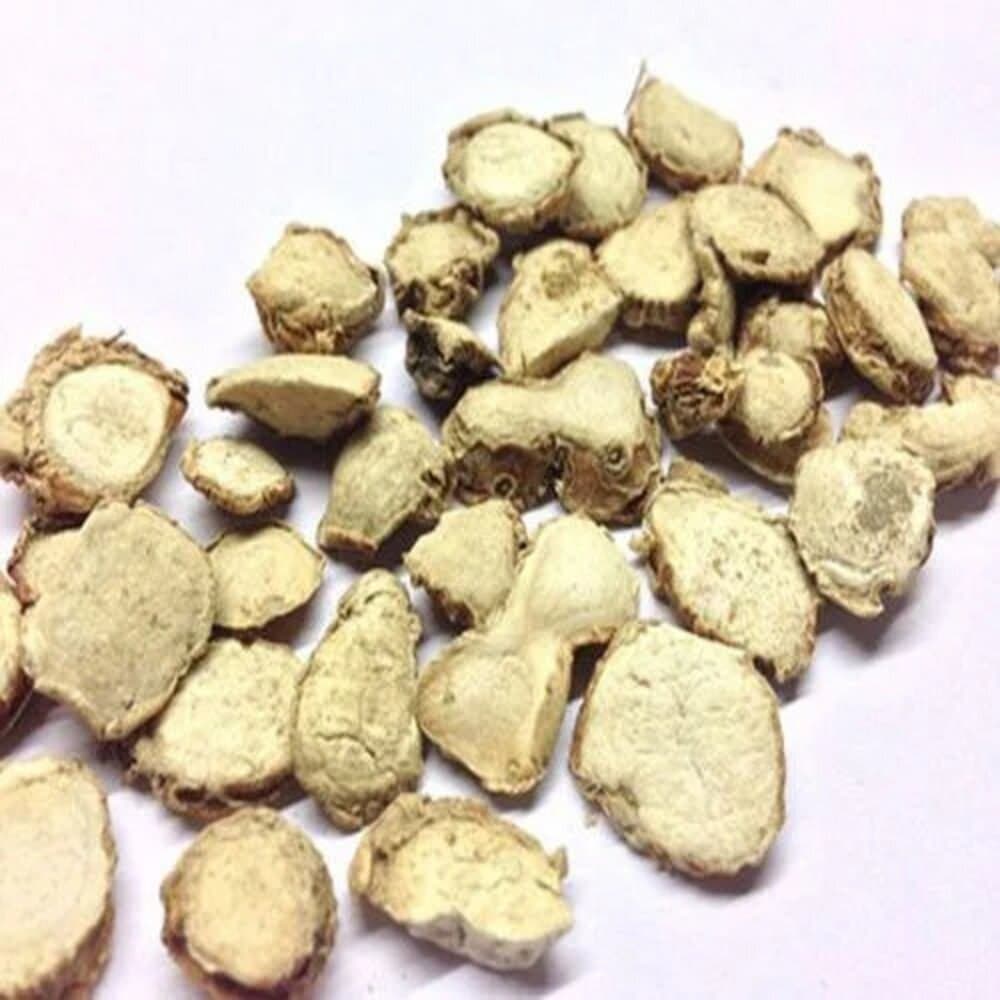
Morphology and field-identification notes as documented in our Dravyaguna library.
Shati is a small shrub growing to a height of 2-3 feet and is found in the Himalayan range and mountains of Himachal Pradesh, Sikkim, Nepal, Bhutan. The rhizome is white colored inside, long, bitter and has a strong odor and flavor. The leaves are 10-12 inch long, wide and smooth.
The five-fold framework Ayurveda uses to describe a drug — Rasa, Guna, Vipaka, Veerya and its effect on the doshas.
Katu, Tikta, Kashaya
The primary taste perceived on the tongue.
Laghu, Tikshna
Physical and energetic attributes of the dravya.
Katu
Taste that emerges after complete digestion.
KaphaVata shamaka
Effect on Vata, Pitta and Kapha doshas.
Anushna
Heating (ushna) or cooling (sheeta) energy.
Mukhavairasyaghna, Kasaghna, Vrananashak, Shwasahara, Shoolaghna.
How modern science maps onto the classical understanding of this dravya.
Pharmacological Action
Anti-inflammatory, Analgesic, Antihistaminic, Bronchodilator, Antimicrobial,Antifungal, Antioxidant.
Phytoconstituents
α-Pinene, β-Pinene, Limonene, Camphor, Linalyl acetate, β-Terpineol, β-Caryophyllene, Benzyl cinnamate, Benzyl acetate, γ-Terpinene, β-Thellandrene, Methyl paracumarin acetate, Cinnamic ethyl acetate, Ethyl cinnamate, Sesquiterpene alcohols.
Classical Ayurvedic indications drawn directly from the Dravyaguna tradition — paired with the preparations recommended in shastra.
01
The paste of the rhizome of Shati is applied over the area affected with joint pain and localized swelling.
02
The powder of the rhizome of Shati is used as tooth powder to treat conditions of gingivitis and bad odor of the mouth.
03
The paste of the rhizome of Hedychium spicatum is applied with sesame oil or coconut oil over the scalp region in conditions of alopecia and dandruff.
04
In the condition of sinusitis, sesame oil processed with powder of Shati is used for nasal drops.
Always consult a qualified Ayurvedic physician before using any herb therapeutically. Dose, anupana and Prakriti-specific suitability matter.
Yoga / Kalpana
Common Ayurvedic preparations where Shati is a key ingredient.
Shastra Pramana
शठी तिक्तकटुस्तीक्ष्णा कषाया ग्राहिणी लघुः || अनुष्णा मुखवैरस्यमलदौर्गन्धनाशिनी दोषकासव्रणश्वासशूलहिध्माज्वरापहा || कै. नि भवेद्रन्धपलाशी तु कषाया ग्राहिणी लघुः । तिक्ता तीक्ष्णा च कटुकानुष्णास्यमलनाशिनी । शोथकासव्रणश्वासशूलसिध्मग्रहापहा ||(भा. प्र)