Rasa (Taste)
Tikta
The primary taste perceived on the tongue.

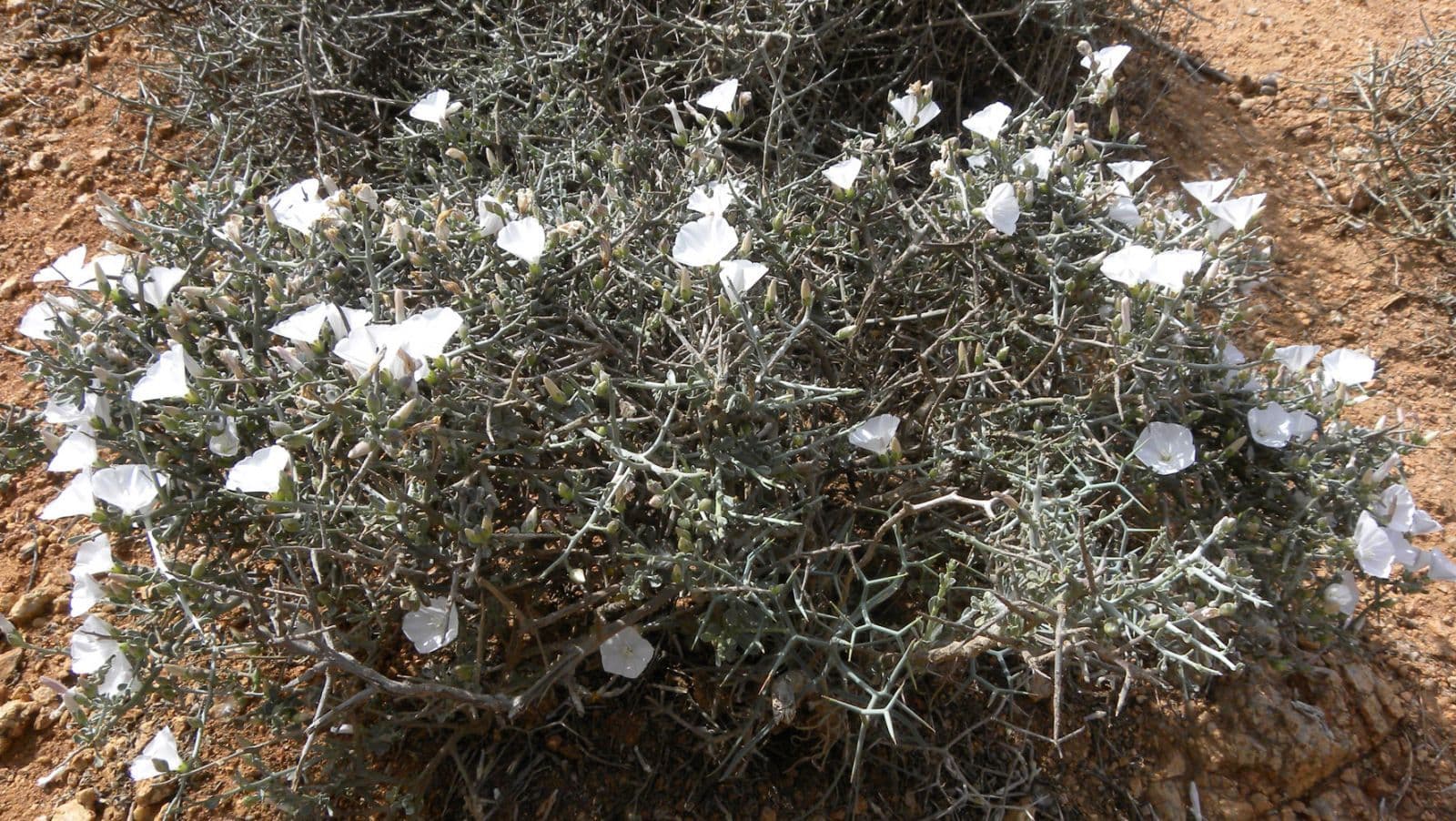
It is a perennial herb that seems like morning glory.
Convolvulus pluricaulis · Convolvulaceae
It is a perennial herb that seems like morning glory.
Scientific Name
Convolvulus pluricaulis
Family
Convolvulaceae
Hindi Name
Ksheerapushpa, Mangalyakusum, Shankhpushpi
Used Part
Whole plant
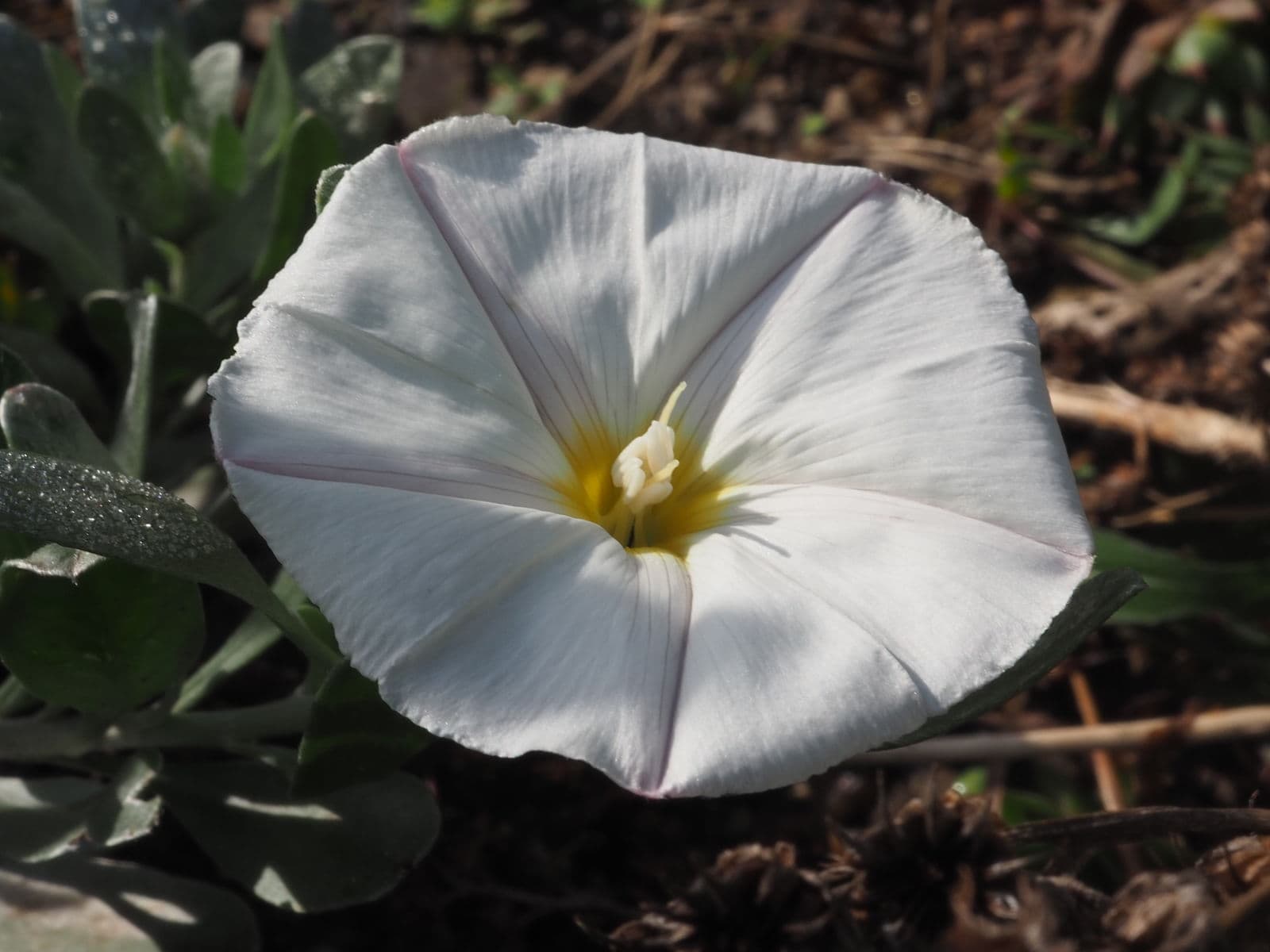
Morphology and field-identification notes as documented in our Dravyaguna library.
It is a perennial herb that seems like morning glory. Its branches are spread on the ground and can be more than 30 cm long. The flowers are blue in color (5 mm) and the leaves, which are elliptic in shape (2 mm), are located at alternate positions with branches or flowers. Known as Aloe weed in English, the herb is commonly found in India, especially in the state of Bihar.
The five-fold framework Ayurveda uses to describe a drug — Rasa, Guna, Vipaka, Veerya and its effect on the doshas.
Tikta
The primary taste perceived on the tongue.
Snigdha, Pichila
Physical and energetic attributes of the dravya.
Madhura
Taste that emerges after complete digestion.
Balances Pitta and Kapha
Effect on Vata, Pitta and Kapha doshas.
Sheeta
Heating (ushna) or cooling (sheeta) energy.
Medhya, Rasayan, Kasajit, Apasmara, Unmada, Chardihara, Vrushya, Agnida, Kushthara
How modern science maps onto the classical understanding of this dravya.
Pharmacological Action
Cognitive, Anxiolytic and Neuroprotective effects
Phytoconstituents
There are various chemical constituents isolated from Shankhpushpi like Carbohydrates-D- glucose, rhamnose, maltose, sucrose and starch. It also contains protein, amino acids and the alkaloids-convolvine, convosine, subhirsine and convolvidine along with fatty acid and wax constituents, hydrocarbons, aliphatic and sterol and certain other bio-chemicals .
Classical Ayurvedic indications drawn directly from the Dravyaguna tradition — paired with the preparations recommended in shastra.
01
Poor Memory Shankhpushpi improves memory and concentration levels due to its Medhya (improves intelligence) property.
02
Insomnia Shankhpushpi helps to manage stress and insomnia by relaxing the mind due to its Vata balancing and Medhya properties.
03
Epilepsy Shankhpushpi helps to lower the risk of epilepsy and other mental disorders due to its Medhya and Rasayana properties.
04
Indigestion and Constipation Shankhpushpi improves digestion and manages gastrointestinal disorders such as constipation, jaundice, dysentery, piles dyspepsia because of its mild laxative nature.
05
ADHD (Attention deficit hyperactivity disorder) Shankhpushpi improves concentration and attention span in children suffering from ADHD (Attention deficit hyperactivity disorder) due to its Medhya (improves intelligence) property.
Always consult a qualified Ayurvedic physician before using any herb therapeutically. Dose, anupana and Prakriti-specific suitability matter.
Yoga / Kalpana
Common Ayurvedic preparations where Shankhpushpi is a key ingredient.
Shastra Pramana
कल्कः प्रयेज्यः खलु शंखपुष्प्याः... । मेध्या विशेषेण च शंखपुष्पी ॥ चरक सम्हिता चिकित्सा स्थान १ शांखिनी कटुतिक्तोष्णा कास पित्तबलासजित् । विषापस्मार भुतादीन् हन्ति मेध्या रसायनी ॥ धन्वन्तरि निघण्टु शंखिनी सरा मेध्योन्मादच्छर्दि विषापहा ।