01
**Fodder for Livestock**: Shami leaves and pods are a valuable source of fodder for livestock, particularly in arid and semi-arid regions. Cattle, goats, and camels graze on the leaves and pods, providing essential nutrients for them.

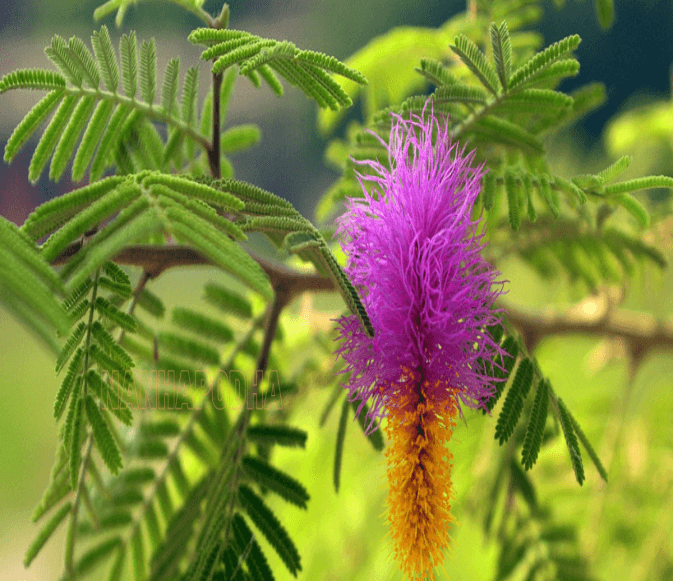
- Prosopis cineraria, commonly known as Shami or Khejri, is a drought-resistant, medium-sized, deciduous tree native to arid and semi-arid regions of South Asia, including India, Pakistan, and parts of the Middle East.
- Prosopis cineraria, commonly known as Shami or Khejri, is a drought-resistant, medium-sized, deciduous tree native to arid and semi-arid regions of South Asia, including India, Pakistan, and parts of the Middle East.
- Prosopis cineraria, commonly known as Shami or Khejri, is a drought-resistant, medium-sized, deciduous tree native to arid and semi-arid regions of South Asia, including India, Pakistan, and parts of the Middle East.
Scientific Name
Prosopis cineraria
Family
Fabaceae (Leguminosae
Common Name
Shami
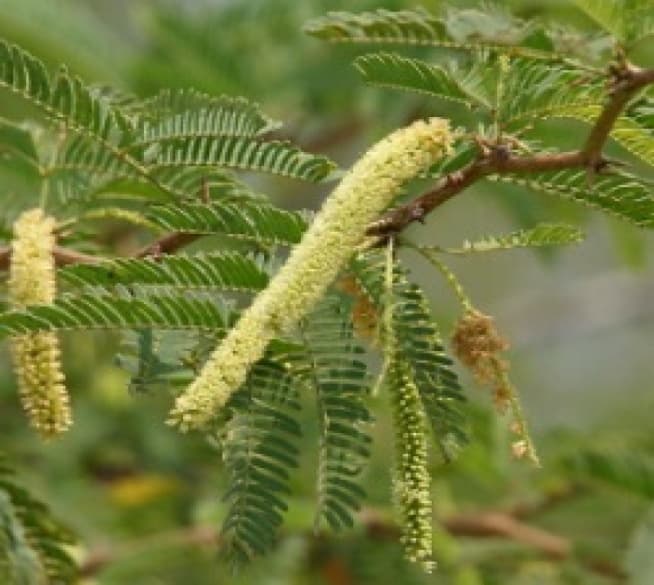
- The tree can reach heights of up to 5-8 meters and has a spreading crown with small, compound leaves that are bipinnate.
- The bark is grayish-brown and rough, and the branches often have thorns.
- It produces small, yellow-green flowers that are fragrant and appear in dense, elongated spikes.
- The fruit is a pod that is brown and curved, containing seeds.
1. Medicinal Properties: - Shami is traditionally used in Ayurvedic and traditional medicine systems for its anti-inflammatory and antimicrobial properties. 2. Nutritional Properties: - The seeds of Shami are a good source of protein and are used as a food source in arid regions. 3. Environmental Properties: - Shami plays a vital role in soil conservation and can tolerate high salinity levels, making it valuable for reforestation and afforestation in arid areas. 4. Livestock Forage: - The leaves and pods of Shami are used as fodder for livestock, especially during droughts when other forage options are limited. 5. Timber and Fuelwood: - The wood of Shami is hard and durable, making it suitable for construction, furniture, and tools.
Rasa (Taste)
Shami is described as having astringent (kashaya) and bitter (tikta) tastes in Ayurveda
Shami is described as having astringent (kashaya) and bitter (tikta) tastes in Ayurveda
Virya (Potency)
It is considered to have a cooling potency (sheeta virya)
It is considered to have a cooling potency (sheeta virya)
Vipaka (Post-Digestive Taste)
The post-digestive taste of Shami is pungent (katu)
The post-digestive taste of Shami is pungent (katu)
Dosha (Balancing Effects)
Shami is believed to pacify Pitta dosha and Kapha dosha and can potentially aggravate Vata dosha due to its astringent and cooling nature
Shami is believed to pacify Pitta dosha and Kapha dosha and can potentially aggravate Vata dosha due to its astringent and cooling nature
| Sanskrit | Sanskrit Value | English | Value |
|---|---|---|---|
| Rasa (Taste) | Shami is described as having astringent (kashaya) and bitter (tikta) tastes in Ayurveda | Rasa (Taste) | Shami is described as having astringent (kashaya) and bitter (tikta) tastes in Ayurveda |
| Virya (Potency) | It is considered to have a cooling potency (sheeta virya) | Virya (Potency) | It is considered to have a cooling potency (sheeta virya) |
| Vipaka (Post-Digestive Taste) | The post-digestive taste of Shami is pungent (katu) | Vipaka (Post-Digestive Taste) | The post-digestive taste of Shami is pungent (katu) |
| Dosha (Balancing Effects) | Shami is believed to pacify Pitta dosha and Kapha dosha and can potentially aggravate Vata dosha due to its astringent and cooling nature | Dosha (Balancing Effects) | Shami is believed to pacify Pitta dosha and Kapha dosha and can potentially aggravate Vata dosha due to its astringent and cooling nature |
- Shami (Prosopis cineraria) has been found to contain various phytochemicals, including tannins, alkaloids, flavonoids, saponins, and phenolic compounds.
From classical Ayurvedic indications to modern phytotherapeutic insights — explore the spectrum of wellness benefits this herb has to offer.
01
**Fodder for Livestock**: Shami leaves and pods are a valuable source of fodder for livestock, particularly in arid and semi-arid regions. Cattle, goats, and camels graze on the leaves and pods, providing essential nutrients for them.
02
**Traditional Medicine**: Various parts of the Shami plant, such as the bark, leaves, and gum, are used in traditional medicine systems like Ayurveda. They are believed to have medicinal properties and are used to treat conditions like diarrhea, dysentery, and respiratory ailments.
03
**Wood and Timber**: Shami wood is dense and durable, making it suitable for various construction and carpentry purposes. It is used to make furniture, agricultural implements, and even as firewood.
04
**Soil Erosion Control**: Shami is often planted in arid and desert regions to help prevent soil erosion. Its deep root system helps stabilize the soil, making it useful for afforestation and land reclamation projects.
05
**Food Source**: The pods of the Shami tree are edible and are commonly used in traditional cuisines. They are usually ground into flour, which is then used to make various dishes, including bread and porridge. The pods are nutritious and can provide sustenance in times of food scarcity.