Rasa (Taste)
Madhura
The primary taste perceived on the tongue.

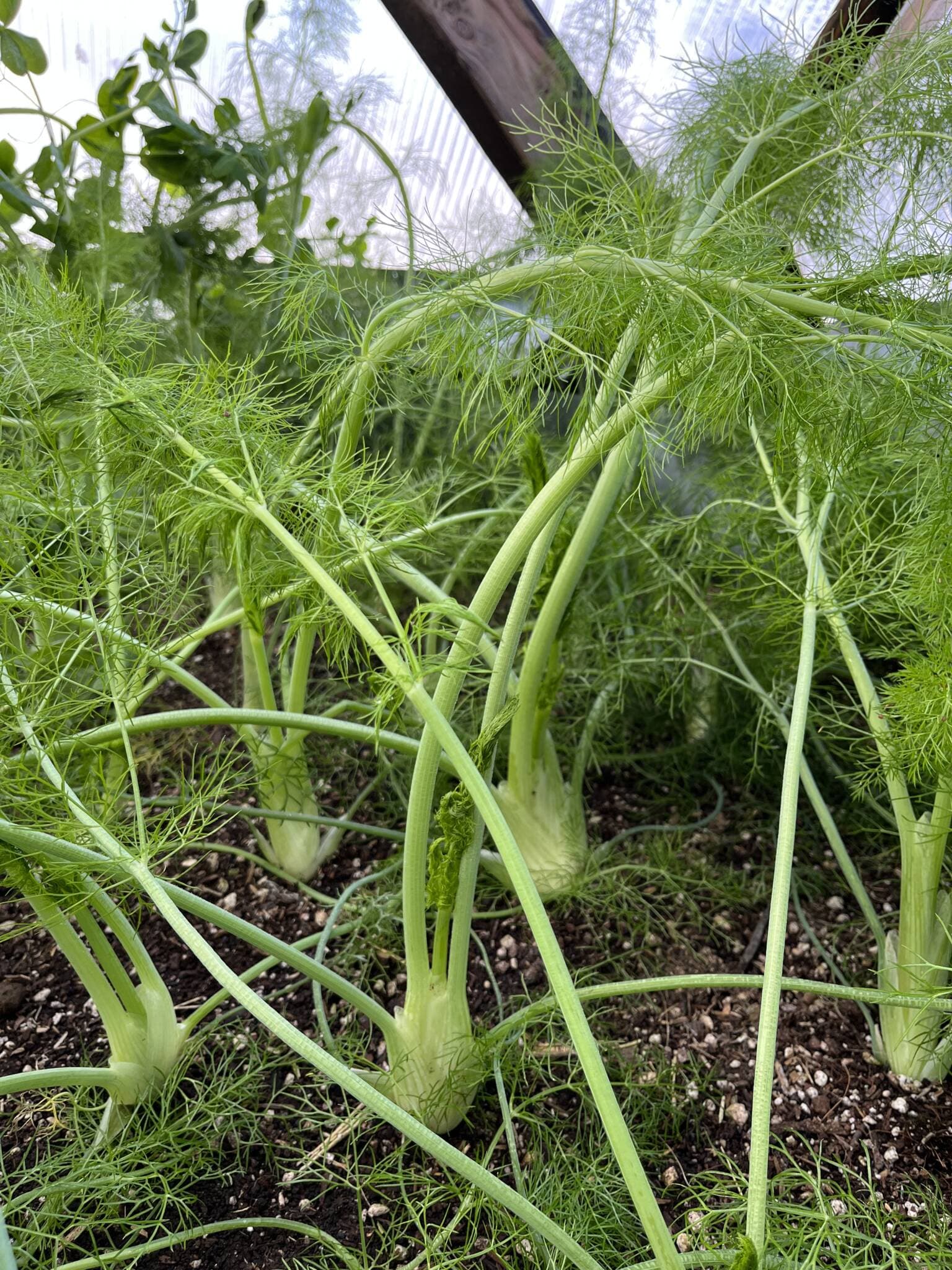
Saunf is a herbaceous, perennial plant.
Foeniculum vulgare · Apiaceae
Saunf is a herbaceous, perennial plant.
Scientific Name
Foeniculum vulgare
Family
Apiaceae
Hindi Name
Saunf
Used Part
Seeds
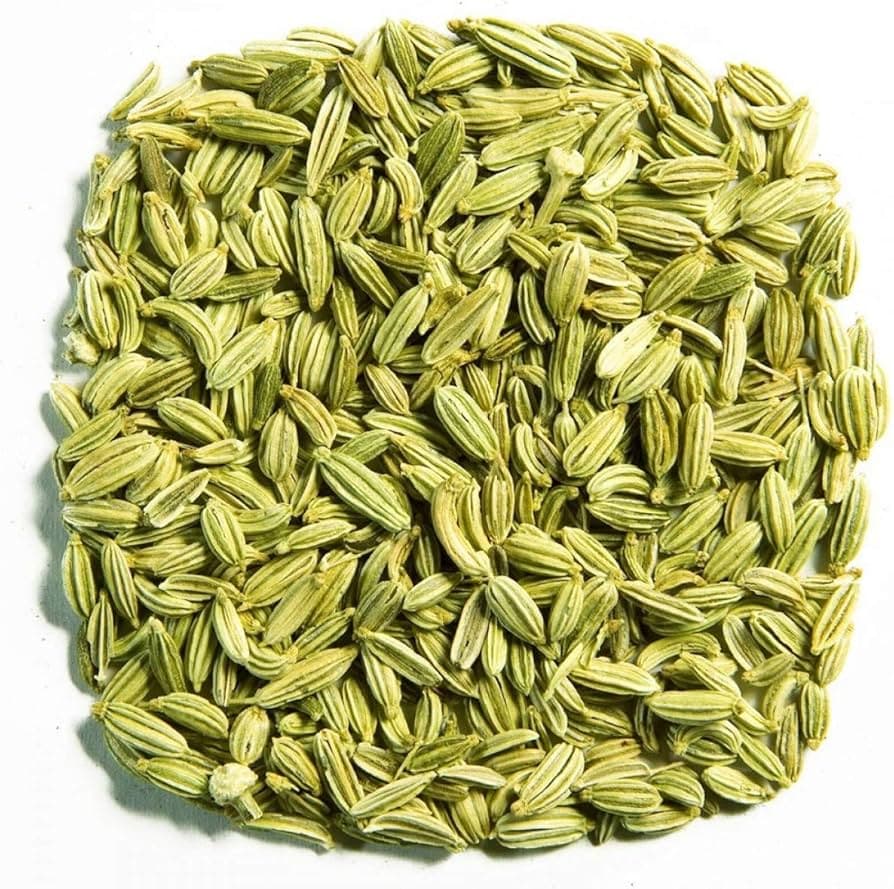
Morphology and field-identification notes as documented in our Dravyaguna library.
Saunf is a herbaceous, perennial plant.
Height: It typically grows to a height of about 1.5 to 2 meters.
Leaves: The plant has feathery, finely divided leaves that are arranged alternately along the stems. The leaves are green and finely dissected.
Flowers: Saunf produces small, bright yellow flowers that are arranged in compound umbels. The flowers have five petals.
Fruits: The seeds of Saunf are enclosed in the fruit, which is a dry, schizocarpic fruit known as a “fennel seed.” These seeds are oblong and ridged.
Roots: The plant has a taproot system.
The five-fold framework Ayurveda uses to describe a drug — Rasa, Guna, Vipaka, Veerya and its effect on the doshas.
Madhura
The primary taste perceived on the tongue.
Laghu, Snigdha, Mridu
Physical and energetic attributes of the dravya.
Katu
Taste that emerges after complete digestion.
Kaphavata shamak
Effect on Vata, Pitta and Kapha doshas.
Sheeta
Heating (ushna) or cooling (sheeta) energy.
Deepan, Anuloman, Varnya, Stanyajanan, Dahanashak, Trishnanashak.
How modern science maps onto the classical understanding of this dravya.
Pharmacological Action
Carminative, Anti-inflammatory, Antispasmodic, Galactagogue
Phytoconstituents
The seeds of Saunf (Foeniculum vulgare)contain essential oils, including anethole, fenchone, and estragole.
Classical Ayurvedic indications drawn directly from the Dravyaguna tradition — paired with the preparations recommended in shastra.
01
Saunf is known for its digestive benefits, reducing bloating and aiding digestion.
02
It may help in respiratory conditions due to its anti-inflammatory properties.
03
Used traditionally to alleviate menstrual cramps.
04
Chewing saunf is believed to promote oral health and freshen breath.
05
Can be used to stimulate appetite.
Always consult a qualified Ayurvedic physician before using any herb therapeutically. Dose, anupana and Prakriti-specific suitability matter.
Yoga / Kalpana
Common Ayurvedic preparations where Mishreya is a key ingredient.
Shastra Pramana
मिश्रेया मधुरा पाके कटुः शीताग्निवर्द्धिनी।चक्षुष्या बस्तिशूलघ्नी हृद्या पित्तकफापहा॥दाहतृष्णात्रदोषघ्नी बद्धविट् क्रिमिनाशिनी॥