Rasa (Taste)
Madhura, Amla
The primary taste perceived on the tongue.

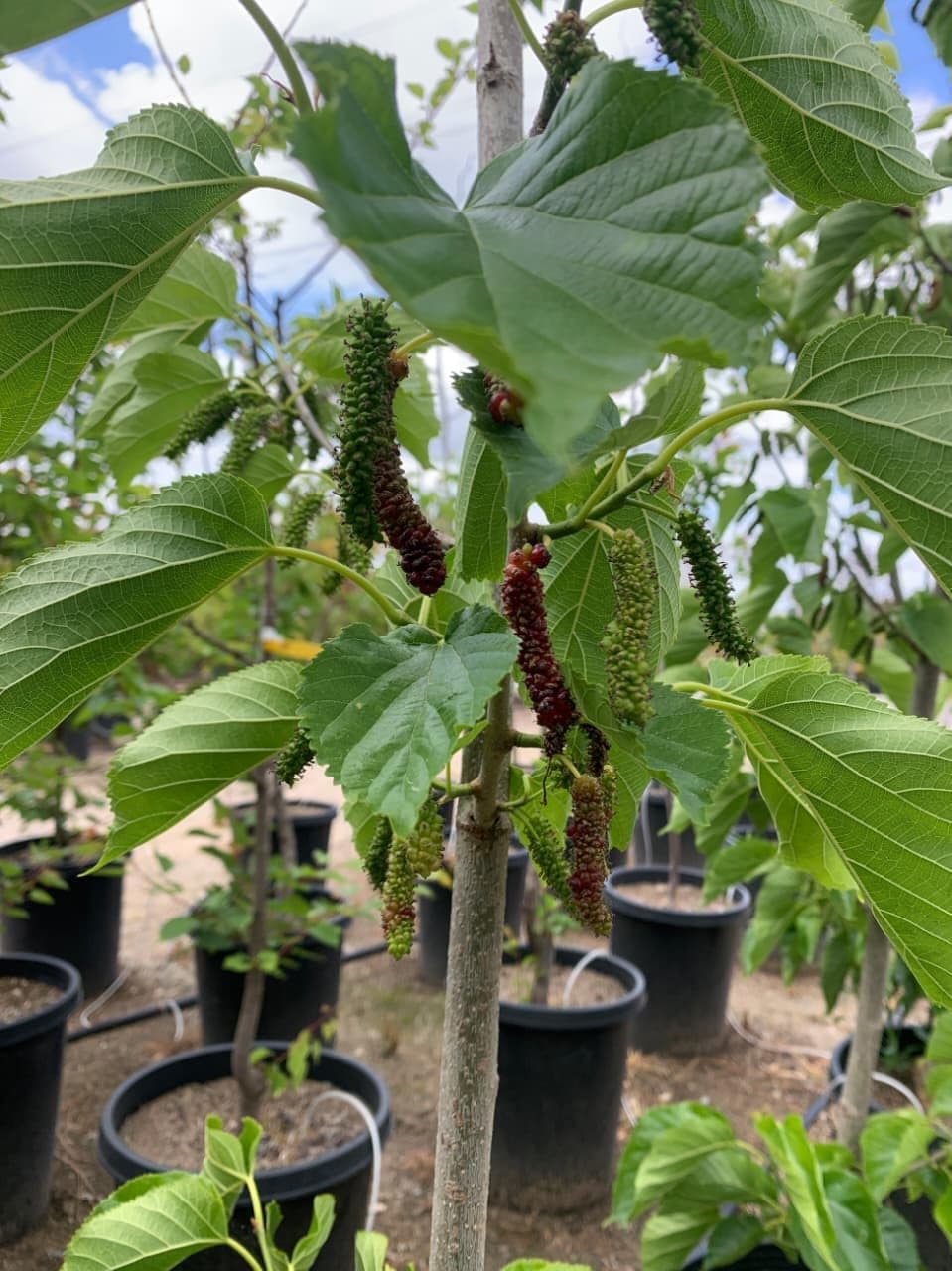
It is a fast-growing, small to medium-sized tree which grows to 10–20 m tall.
Morus alba Linn · Moraceae
It is a fast-growing, small to medium-sized tree which grows to 10–20 m tall.
Scientific Name
Morus alba Linn
Family
Moraceae
Hindi Name
Shahatoot
Used Part
Bark, leaves, and roots
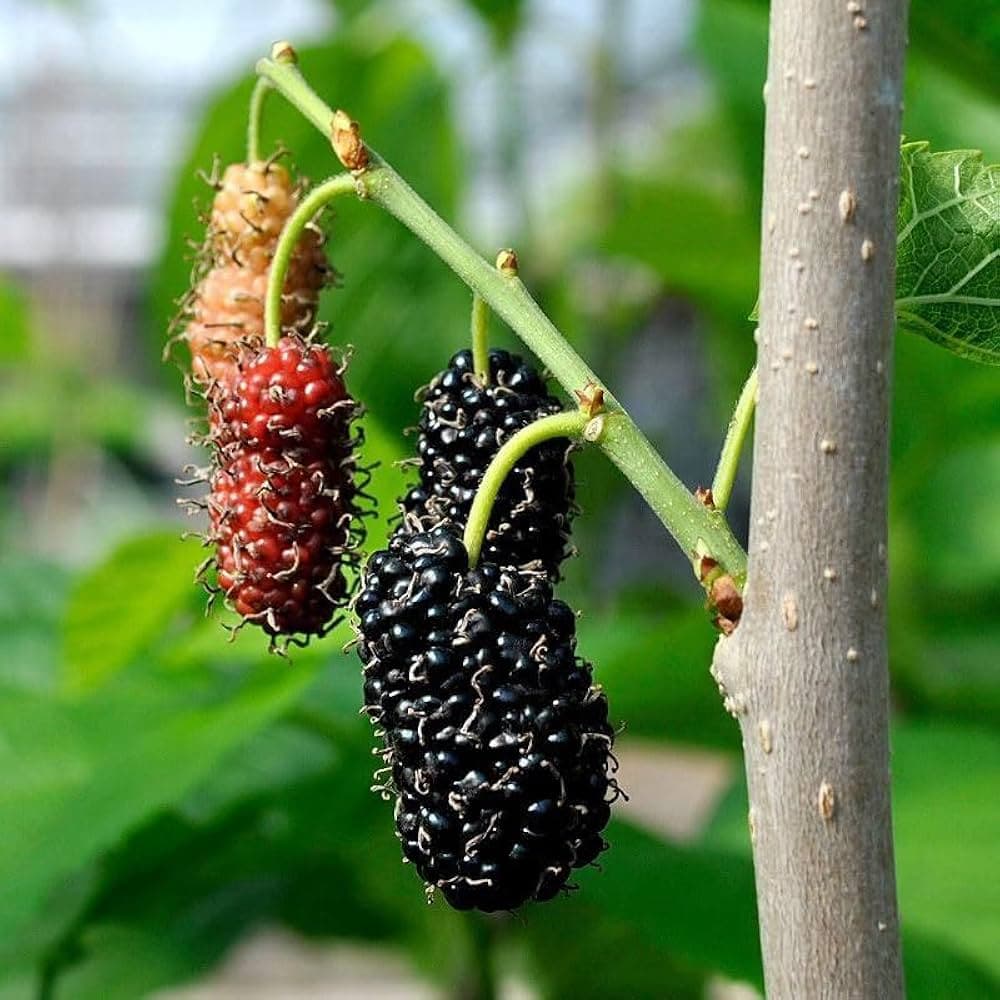
Morphology and field-identification notes as documented in our Dravyaguna library.
It is a fast-growing, small to medium-sized tree which grows to 10–20 m tall. The leaves are generally 5–15 cm long, cordate at the base and rounded to acuminate at the tip, and serrated on the margins. The flowers are single-sex catkins; male catkins are 2–3.5 cm long, and female catkins 1–2 cm long. Male and female flowers are usually on separate trees although they may occur on the same tree. The fruit is 1–2.5 cm long; in the species in the wild it is deep purple, but in many cultivated plants it varies from white to pink; it is sweet but bland.
The five-fold framework Ayurveda uses to describe a drug — Rasa, Guna, Vipaka, Veerya and its effect on the doshas.
Madhura, Amla
The primary taste perceived on the tongue.
Guru
Physical and energetic attributes of the dravya.
Madhura
Taste that emerges after complete digestion.
Vata and Pitta Dosha hara
Effect on Vata, Pitta and Kapha doshas.
Sheeta
Heating (ushna) or cooling (sheeta) energy.
Raktprasadaka, Brimhana, Balya, Rasayana, Trishnahara, Dahahara, Pittashamaka, Mridu Rechaka, Kantya, Mutrala .
How modern science maps onto the classical understanding of this dravya.
Pharmacological Action
Antioxidant, Anti-inflammatory, Anti-diabetic and Cardioprotective.
Phytoconstituents
The plant is rich in Phenolics. The leaves contain Flavonoids, Artocarpin, Cycloartocarpin and Analogues. The root of the plant contains Flavonoids like Kuwanons, Sangennons, Mulberrosides and Mulberofurans. The small branches contain Mulberrin, Fructose, Glucose, Falvonoid, Coumarin, Arabinose, Xylose, Stachyose, Sucrose.
Classical Ayurvedic indications drawn directly from the Dravyaguna tradition — paired with the preparations recommended in shastra.
01
Decoction of the bark of Morus alba is given in a dose of 40-50 ml to treat burning micturition, cough associated with phlegm and to control diabetes.
02
The decoction from the leaves of Tuta is used for gargling in treating sore throat and gingivitis.
03
The root bark decoction is given in a dose of 40-60 ml to treat difficulty in micturition and inflammation of the joints associated with pain.
Always consult a qualified Ayurvedic physician before using any herb therapeutically. Dose, anupana and Prakriti-specific suitability matter.
Yoga / Kalpana
Common Ayurvedic preparations where Sahatoot is a key ingredient.
Shastra Pramana
तूतः स्थूलश्च पूगश्च क्रमुको ब्रह्मदारु च | तूतं पक्वं गुरु स्वादु हिमं पित्तानिलापहम् | तदेवामं गुरु सरमम्लोष्णं रक्तपित्तकृत् || भावप्रकाश- आम्रादिफलवर्ग