Rasa (Taste)
Tikta, Kashaya
The primary taste perceived on the tongue.

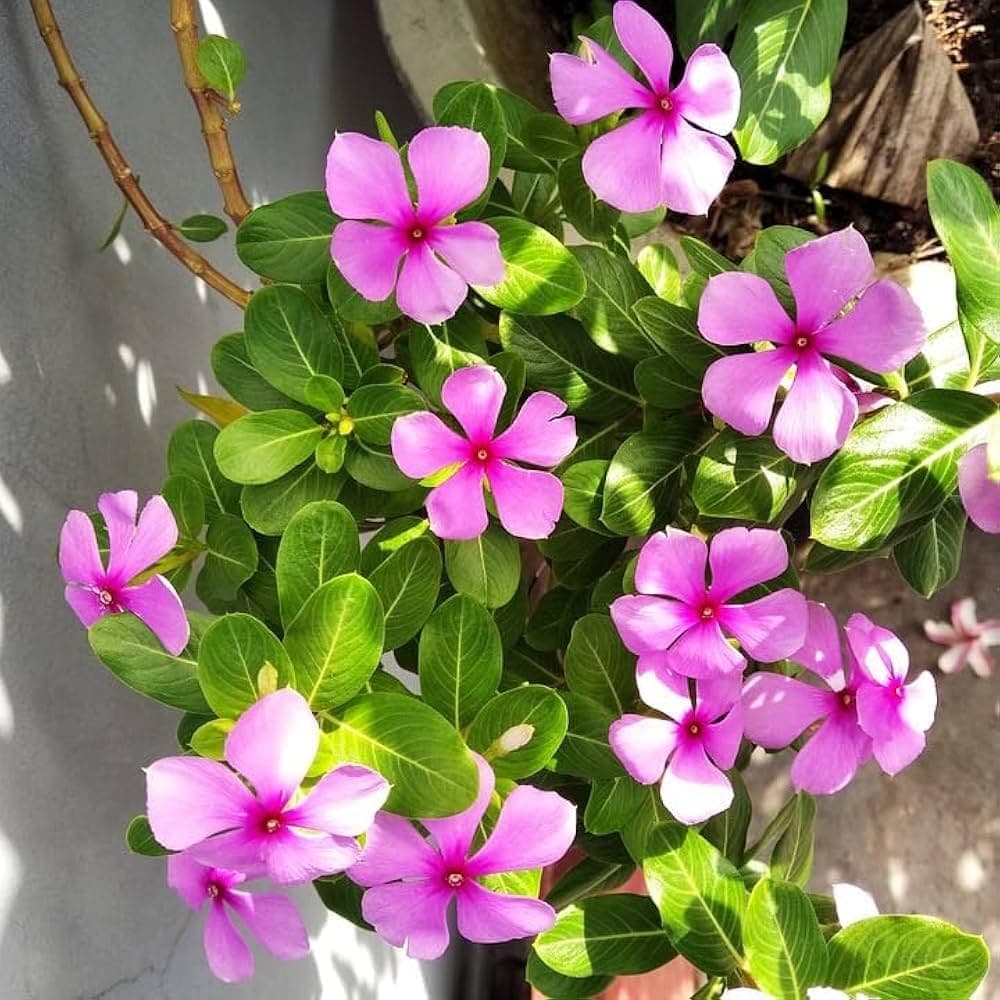
It is a perennial herbaceous plant, meaning it lives for more than two years and doesn't develop into a woody stem.
Catharanthus roseus · Apocynacea
It is a perennial herbaceous plant, meaning it lives for more than two years and doesn't develop into a woody stem.
Scientific Name
Catharanthus roseus
Family
Apocynacea
Hindi Name
Sada bahar
Used Part
Panchanga
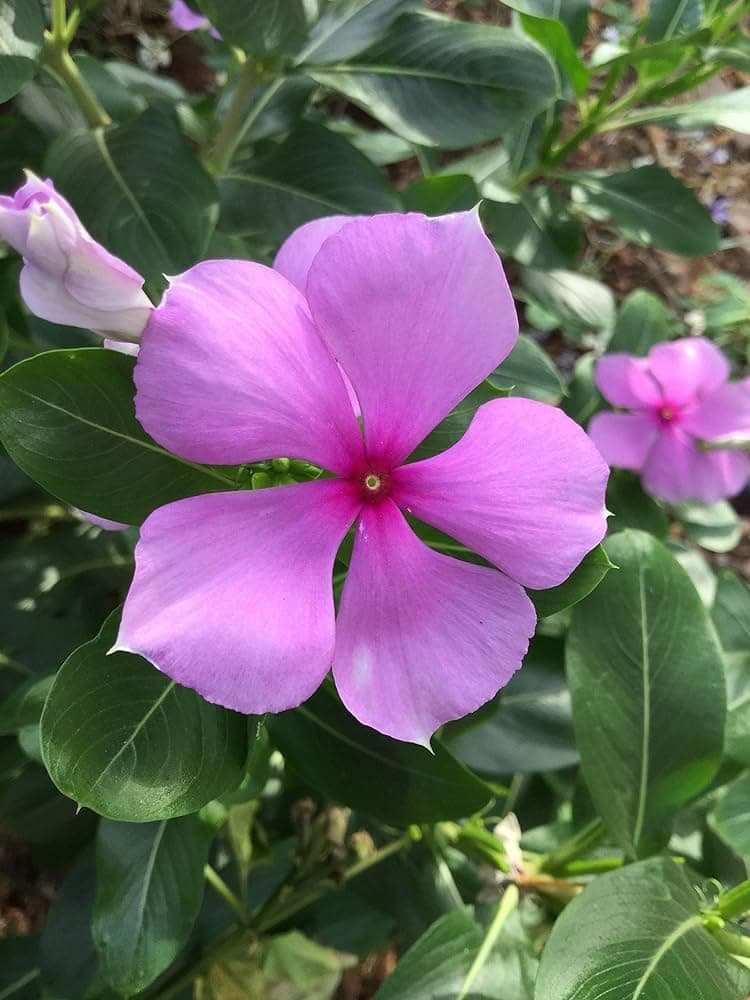
Morphology and field-identification notes as documented in our Dravyaguna library.
It is a perennial herbaceous plant, meaning it lives for more than two years and doesn't develop into a woody stem. The leaves are opposite, glossy, and elliptical in shape. They typically measure 2 to 7 cm in length and have a dark green color.The flowers of Catharanthus roseus are showy and come in a range of colors, including white, pink, and lavender. They have a five-petaled, tubular shape and are often characterized by a prominent central eye.
The five-fold framework Ayurveda uses to describe a drug — Rasa, Guna, Vipaka, Veerya and its effect on the doshas.
Tikta, Kashaya
The primary taste perceived on the tongue.
Laghu, Ruksha
Physical and energetic attributes of the dravya.
Katu
Taste that emerges after complete digestion.
Kapha Pitta Shamak
Effect on Vata, Pitta and Kapha doshas.
Sheeta
Heating (ushna) or cooling (sheeta) energy.
Kaphahara, Pittahara, Raktashodhaka, Krimighna, Kandughna, Vrana ropaka, Jwaraghna, Pramehaghna
How modern science maps onto the classical understanding of this dravya.
Pharmacological Action
Antidiabetic , Anticancer , Hypotensive, Sedative & tranquilizing, Antimicrobial, Antioxidant, Anti-inflammatory, Wound healing , Astringent, Anthelmintic , Vasodilatory .
Phytoconstituents
Alkaloids(vincristine, vinblastine, ajmalicine), neurotransmitters (serotonin), tannins, flavonoids, terpenoids, etc., which have various medicinal properties.
Classical Ayurvedic indications drawn directly from the Dravyaguna tradition — paired with the preparations recommended in shastra.
01
Sadabahar is most well-known for its alkaloids vincristine and vinblastine, which have potent anticancer properties.
02
Plant helps dilate blood vessels and reduce hypertension.
03
Sadabahar extracts have shown potential in reducing blood sugar levels,
04
Sadabahar has demonstrated antibacterial and antifungal properties, suggesting its potential use in the treatment of infections.
05
The plant contains compounds like flavonoids and tannins, which have antioxidant properties
Always consult a qualified Ayurvedic physician before using any herb therapeutically. Dose, anupana and Prakriti-specific suitability matter.
Yoga / Kalpana
Common Ayurvedic preparations where Sada bahar is a key ingredient.
Shastra Pramana
Not mentioned