Rasa (Taste)
Madhura, Katu
The primary taste perceived on the tongue.

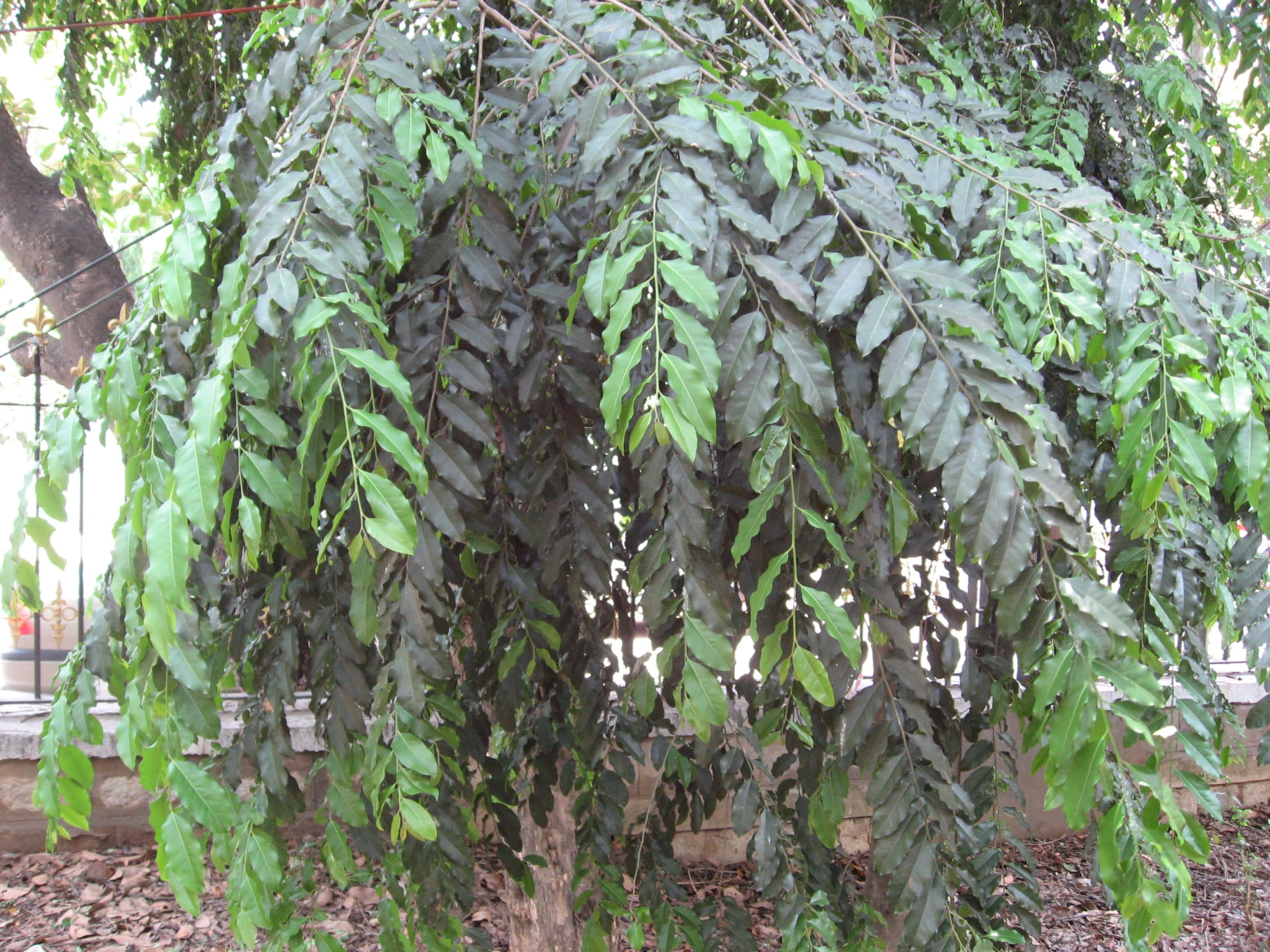
Habit: An evergreen, medium-sized tree that grows to a height of 8 to 20 meters, featuring.
Putranjiva roxburghii. · Putranjivaceae
Habit: An evergreen, medium-sized tree that grows to a height of 8 to 20 meters, featuring.
Scientific Name
Putranjiva roxburghii.
Family
Putranjivaceae
Hindi Name
Putrajeevak
Used Part
Seeds
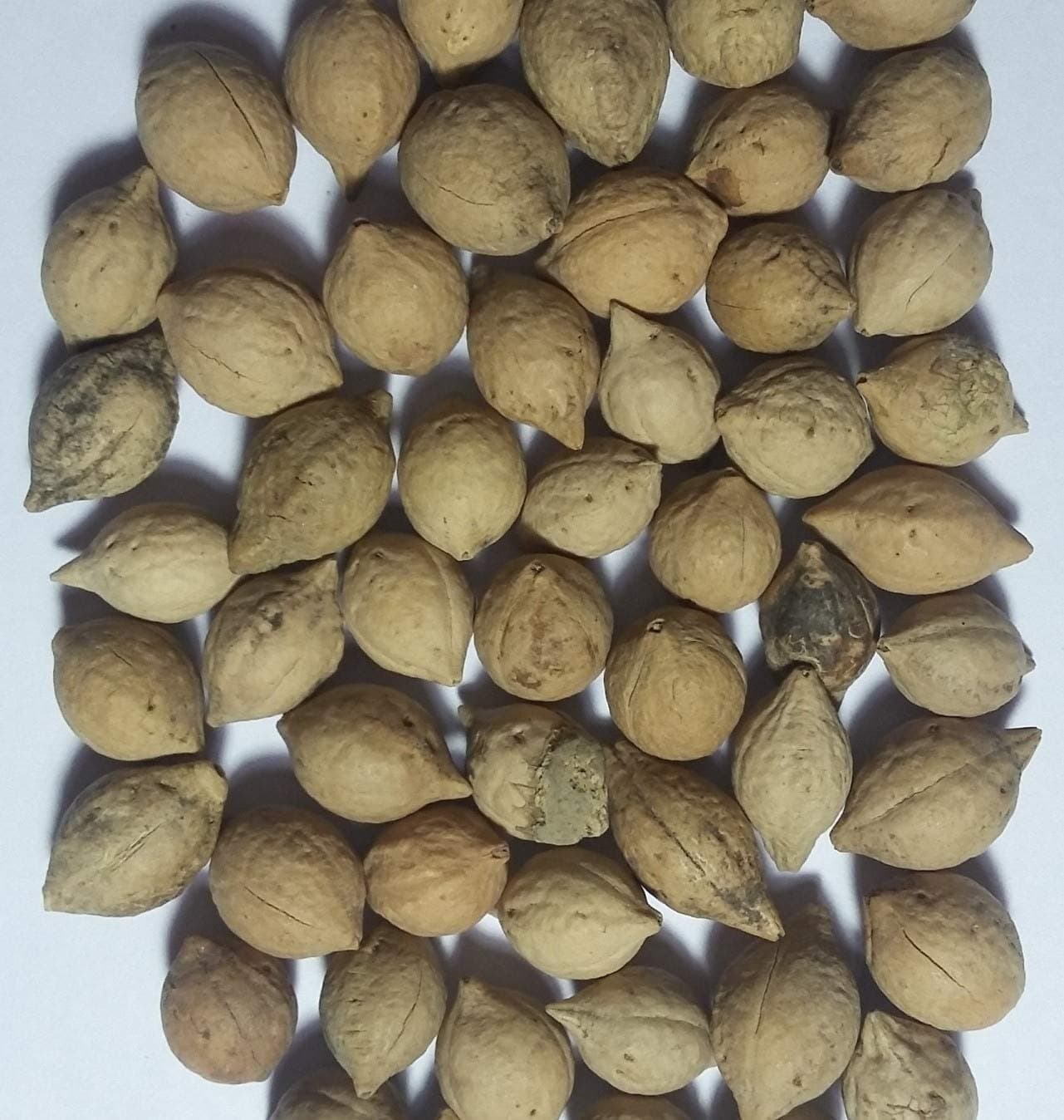
Morphology and field-identification notes as documented in our Dravyaguna library.
Habit: An evergreen, medium-sized tree that grows to a height of 8 to 20 meters, featuring. The branches are typically drooping (pendent). Leaves: Simple, alternate, and distantly serrated.Flowers: The tree is dioecious (male and female flowers exist on separate plants). Male flowers grow in rounded axillary clusters, while female flowers appear either solitary or in pairs in the leaf axils. Fruits: The fruits are spheroidal or ellipsoid drupes that are white-velvety when young. They turn smooth and brownish as they ripen. Seeds: Usually, a single, hard, rugose (wrinkled) seed or "stone" is housed inside each fruit
The five-fold framework Ayurveda uses to describe a drug — Rasa, Guna, Vipaka, Veerya and its effect on the doshas.
Madhura, Katu
The primary taste perceived on the tongue.
Guru, Picchila
Physical and energetic attributes of the dravya.
Madhura
Taste that emerges after complete digestion.
Vatapitta Shamak
Effect on Vata, Pitta and Kapha doshas.
Sheeta
Heating (ushna) or cooling (sheeta) energy.
Garbhakara
How modern science maps onto the classical understanding of this dravya.
Pharmacological Action
Uterine Tonic Action, Hormonal Regulation, Antioxidant & Immunomodulatory
Phytoconstituents
glycosides like glucoputranjivin, glucocochlearin, glucojiaputin, and glucocleomin, saponins, flavonoids, and triterpenes.
Classical Ayurvedic indications drawn directly from the Dravyaguna tradition — paired with the preparations recommended in shastra.
01
It supports the better functioning of reproductive organs in both males and females.
02
It prevents habitual or recurrent miscarriage (habitual abortion or recurrent pregnancy loss (RPL) is three or more consecutive pregnancy losses).
03
In Males, it promotes sperm production and helps with low sperm count, abnormal sperm, involuntary loss of sperm, etc.
Always consult a qualified Ayurvedic physician before using any herb therapeutically. Dose, anupana and Prakriti-specific suitability matter.
Yoga / Kalpana
Common Ayurvedic preparations where Putranjeevak is a key ingredient.
Shastra Pramana
पुत्रजीवो गर्भकरो यष्टीपुष्पोऽर्थसाधकः |पुत्रजीवो गुरुर्वृष्यो गर्भदः श्लेष्मवातहृत् |सृष्टमूत्रमलो रूक्षो हिमः स्वादुः पटुः कटुः ||