Rasa (Taste)
Kashaya, Madhura.
The primary taste perceived on the tongue.

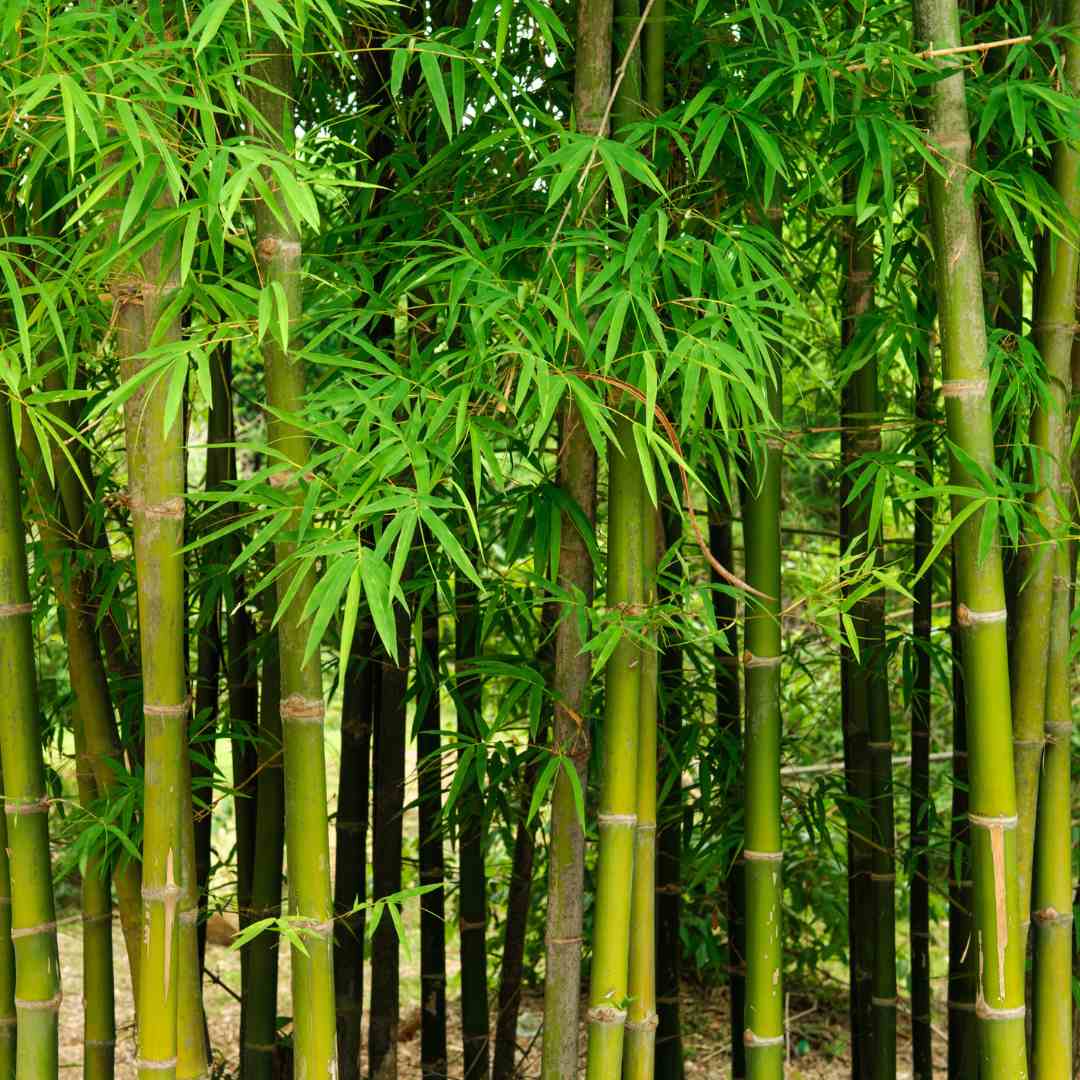
Bamboo is a group of woody evergreen plants.
Bambusa arundinacea · Gramineae
Bamboo is a group of woody evergreen plants.
Scientific Name
Bambusa arundinacea
Family
Gramineae
Hindi Name
Bans, Kattang, Tabasheer
Used Part
Kanda (stem)
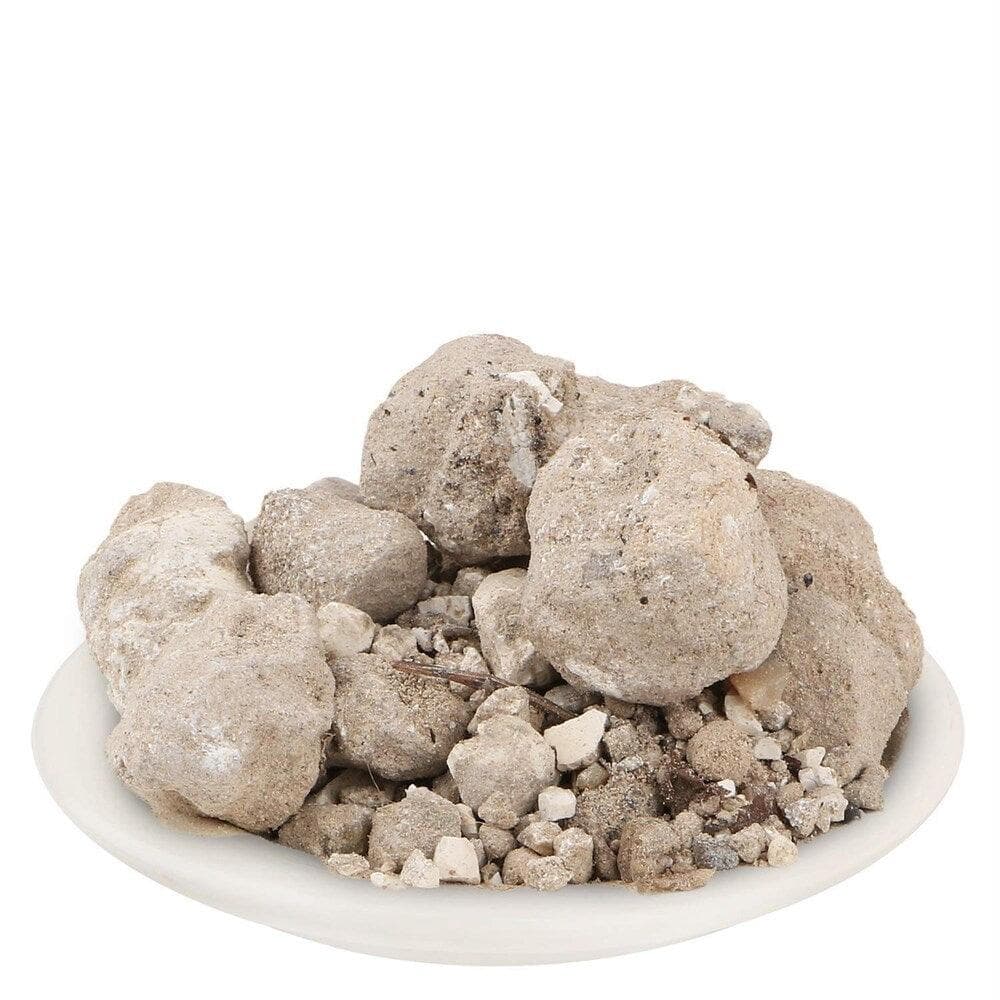
Morphology and field-identification notes as documented in our Dravyaguna library.
Bamboo is a group of woody evergreen plants. Bamboos have a tree-like habit, that grows to a height of 40 meters. The stems are hollow and packed with silica. Lateral stems that develop from the nodes. Leaves are flat, tapered and petiolate. They vary greatly in size and are alternately arranged on the branches.
The five-fold framework Ayurveda uses to describe a drug — Rasa, Guna, Vipaka, Veerya and its effect on the doshas.
Kashaya, Madhura.
The primary taste perceived on the tongue.
Laghu, Tikshna, Ruksha.
Physical and energetic attributes of the dravya.
Madhura
Taste that emerges after complete digestion.
Kaphapitta shamaka
Effect on Vata, Pitta and Kapha doshas.
Sheeta
Heating (ushna) or cooling (sheeta) energy.
Vata-PittaShamak, Chedan, Vasti Shodhan, Kushthahar, Vrishya, Vajikarak, Balya, Svashhar, Mutrala, Viryavardhak.
How modern science maps onto the classical understanding of this dravya.
Pharmacological Action
Anti ulcerative, Antipyretic, Immunomodulatory, Demulcent, Tissue Remineralisation.
Phytoconstituents
Silica (SiO2), Glucosides, Lime – Calcium Oxide (CaO) Traces, Potash – Potassium chloride Traces, Iron Oxide Traces, Aluminum Traces, Water.
Classical Ayurvedic indications drawn directly from the Dravyaguna tradition — paired with the preparations recommended in shastra.
01
Silica is a key element in Vanshlochan, which is an important mineral needed for bone growth and development, as the bones need silica for the proper deployment of calcium.
02
This timeless medicine is credited to possess anti-ulcer and antioxidant properties, which is well-known to treat ulcers and other digestive woes.
03
Vanshlochan is an effective ayurvedic supplement that stimulates the growth of voluminous and lustrous hair. The abundance of natural silica content averts thinning of hair and hair loss. It nourishes the hair follicles, enhance blood flow and strengthens hair follicles from deep within.
04
Vast reserves of nutrients present in Vanshlochan are crucial for optimising overall health. It acts as an atonic and sustenance physical and mental well-being.
05
The potent anti-inflammatory effect of this formulation effectively treats respiratory disorders and improve lung functions.
Always consult a qualified Ayurvedic physician before using any herb therapeutically. Dose, anupana and Prakriti-specific suitability matter.
Yoga / Kalpana
Common Ayurvedic preparations where Vansha is a key ingredient.
Shastra Pramana
सरो हिमः स्वादुः कषायो बस्तिशोधनः । छेदनः कफपित्तघ्नः कुष्ठास्रव्रणशोथजित् || तत्करीरः कटुः पाके रसे रूक्षो गुरुः सरः । कषायः कफकृत्स्वादुर्विदाही वातपित्तलः || तद्यवास्तु सरा रूक्षाः कषायाः कटुपाकिनः । वातपित्तकरा उष्णा बद्धमूत्राः कफापहाः || भा.प्र. वंशो