
Ishan Ayurvedic Medical College & Research Centre
Pashanbhed

Pashanbhed

Pashanbhed is a perennial herb mostly found in temperate Himalayas from Kashmir to Bhutan at an altitude of 2000-3000 m and in Khasia hills upto1500 meter altitude.

Medicinal Plant

Pashanbhed

Pashanbhed is a perennial herb mostly found in temperate Himalayas from Kashmir to Bhutan at an altitude of 2000-3000 m and in Khasia hills upto1500 meter altitude.

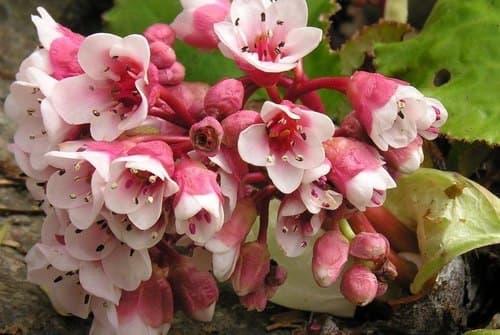
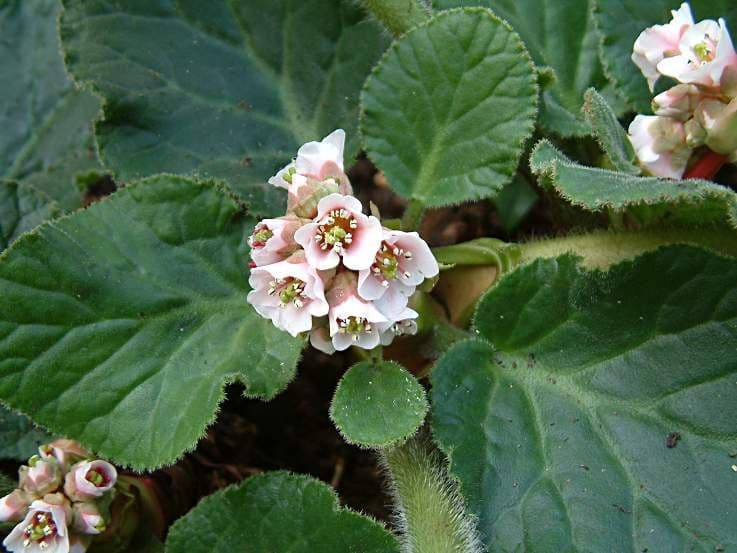
Pashanbhed is a perennial herb mostly found in temperate Himalayas from Kashmir to Bhutan at an altitude of 2000-3000 m and in Khasia hills upto1500 meter altitude. Pasanabheda reaches up to 50 cm height. Rhizome is solid, barrel shaped, cylindrical 1.5-3.0 cm long and 1-2 cm in diameter.

Scientific Name

Bergenia ligulata

Family

Saxifragaceae

Common Name

Pashanbhed

Pashanbhed
Pashanbhed medicinal plant
Botanical Description

About the Pashanbhed Plant

Pashanbhed is a perennial herb mostly found in temperate Himalayas from Kashmir to Bhutan at an altitude of 2000-3000 m and in Khasia hills upto1500 meter altitude. Pasanabheda reaches up to 50 cm height. Rhizome is solid, barrel shaped, cylindrical 1.5-3.0 cm long and 1-2 cm in diameter.

Ayurvedic Properties

Rasa · Guna · Virya · Vipaka

Rasa

Rasa

Tikta, Kasaya,

Tikta, Kasaya,

Guna

Guna

Laghu,

Laghu,

Virya

Virya

Sita,

Sita,

Vipaka

Vipaka

Katu,

Katu,

Karma

Karma

Bhedana, Vastisodhana, Mutravirecaniya, Asmarighna

Bhedana, Vastisodhana, Mutravirecaniya, Asmarighna

Chemical Composition

Phytochemical Constituents

The rhizome of Pashanbhed contains many chemical constituents like arbutin, paashaanolactone, afzelechin, bergenin, norbergenin, catechin, minerals, glucose, albumin, vitamins, mucilage, ash, starch, and gallic acid.

Health Benefits

Therapeutic Benefits of Pashanbhed

From classical Ayurvedic indications to modern phytotherapeutic insights — explore the spectrum of wellness benefits this herb has to offer.

01

Urolithiasis

Pashanbhed helps manage Urolithiasis due to its Vata-Kapha balancing and Mutral (diuretic) properties. It prevents the formation of calculi and also helps in the easy expulsion of existing stones via urine by increasing urine production.

02

Dysuria

ysuria is a symptom of urinary tract infection where an individual suffers from painful or difficult urination. This condition can occur due to an imbalance of any of the three doshas (Vata, Pitta or Kapha). Pashanbhed increases urine production and thus provides relief from painful urination due to its Tridosha (Vata, Pitta and Kapha) balancing and Mutral (diuretic) properties.

03

Diabetes

Diabetes, also known as Madhumeha, occurs due to an aggravation of Vata-Kapha dosha as well as impaired digestion. Pashanbhed helps manage Diabetes due to its Vata-Kapha balancing and Tikta (bitter) properties. It helps prevent the accumulation of Ama and improves the function of insulin, thereby managing blood sugar levels and reducing the symptoms of Diabetes.

04

Piles

Pashanbhed helps prevent indigestion and relieves constipation due to its Vata and Pitta balancing and Rechana (laxative) property. It also provides a cooling effect to the affected area due to its Sita (cold) property.

05

Is Pashanbhed safe

Yes it is safe to use but excess intake of Pashanbhed mauy cause problems.

06

Contraidication

It is advisable to avoid or consult a physician before taking Pashanbhed during breastfeeding. Although Pashanbhed might show cardio-toxic effects when taken in higher doses.