Rasa (Taste)
Laghu, Ruksha, Tikshna.
The primary taste perceived on the tongue.

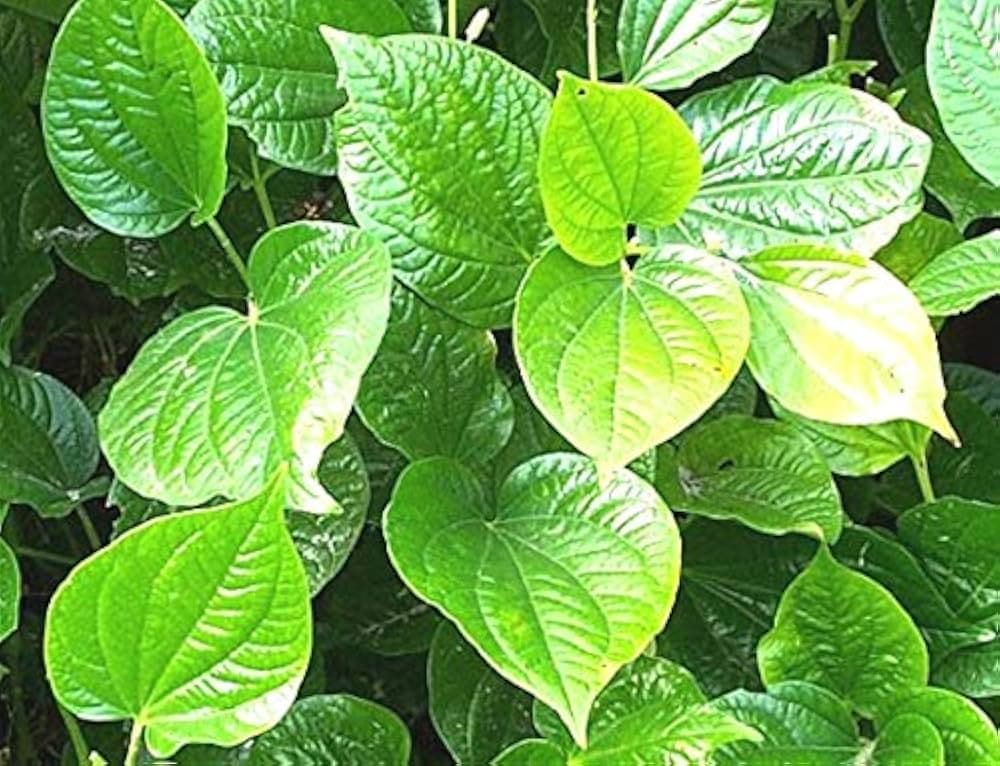
It is evergreen, perennial, climber vine .
Piper betel · Piperaceae
It is evergreen, perennial, climber vine .
Scientific Name
Piper betel
Family
Piperaceae
Hindi Name
Paan
Used Part
Patra (Leaf), Mool ( Root )
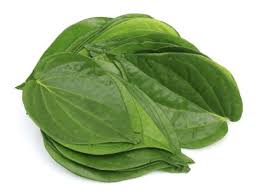
Morphology and field-identification notes as documented in our Dravyaguna library.
It is evergreen, perennial, climber vine . The stem is 3mm in diameter, woody, dichotomous, articulate, swollen, rooted at nodes. Leaves are simple, spiral and exstipulate with 5mm long petiole . Flowers arrangement is axillary spike 5.5cm long. Fruits are drupaceous, orange.
The five-fold framework Ayurveda uses to describe a drug — Rasa, Guna, Vipaka, Veerya and its effect on the doshas.
Laghu, Ruksha, Tikshna.
The primary taste perceived on the tongue.
Tikta
Physical and energetic attributes of the dravya.
Katu
Taste that emerges after complete digestion.
Kapha Vata Shamaka
Effect on Vata, Pitta and Kapha doshas.
Ushna
Heating (ushna) or cooling (sheeta) energy.
Vishada, Ruchya, Vashyam, Raktapittakara, Sramsanam, Swarya, Deepana.
How modern science maps onto the classical understanding of this dravya.
Pharmacological Action
Antimicrobial, Antioxidant activity, Cytotoxic activity, Anti inflammatory activity, Analgesic.
Phytoconstituents
Chavibetol, Chavicol, Hydroxychavicol, Diosgenin, Eugenol, Allylpyrocatechol, Methyl eugenol,
Classical Ayurvedic indications drawn directly from the Dravyaguna tradition — paired with the preparations recommended in shastra.
01
Paan leaves are used as paan to relieve bad breath, toothache, tastelessness, cough, sore throat.
02
Chewing betel leaf after meal relieves indigestion, bloating, anorexia and cleanses the mouth.
03
Leaves juice is used in asthma, laryngitis (swelling of vocal cords) and sore throat.
04
Betel leaves applied with castor oil is warmed and tied over the chest relieves asthma and cough in children.
Always consult a qualified Ayurvedic physician before using any herb therapeutically. Dose, anupana and Prakriti-specific suitability matter.
Yoga / Kalpana
Common Ayurvedic preparations where Tambul is a key ingredient.
Shastra Pramana
ताम्बूलं विशदं रुच्यं तीक्ष्णोष्णं तुवरं सरम् | वश्यं तिक्तं कटुक्षारं रक्तपित्तकर 'लघु | बल्यं श्लेष्मास्यदौर्गन्ध्यमलवात श्रमापहम् |