Rasa (Taste)
Amla
The primary taste perceived on the tongue.

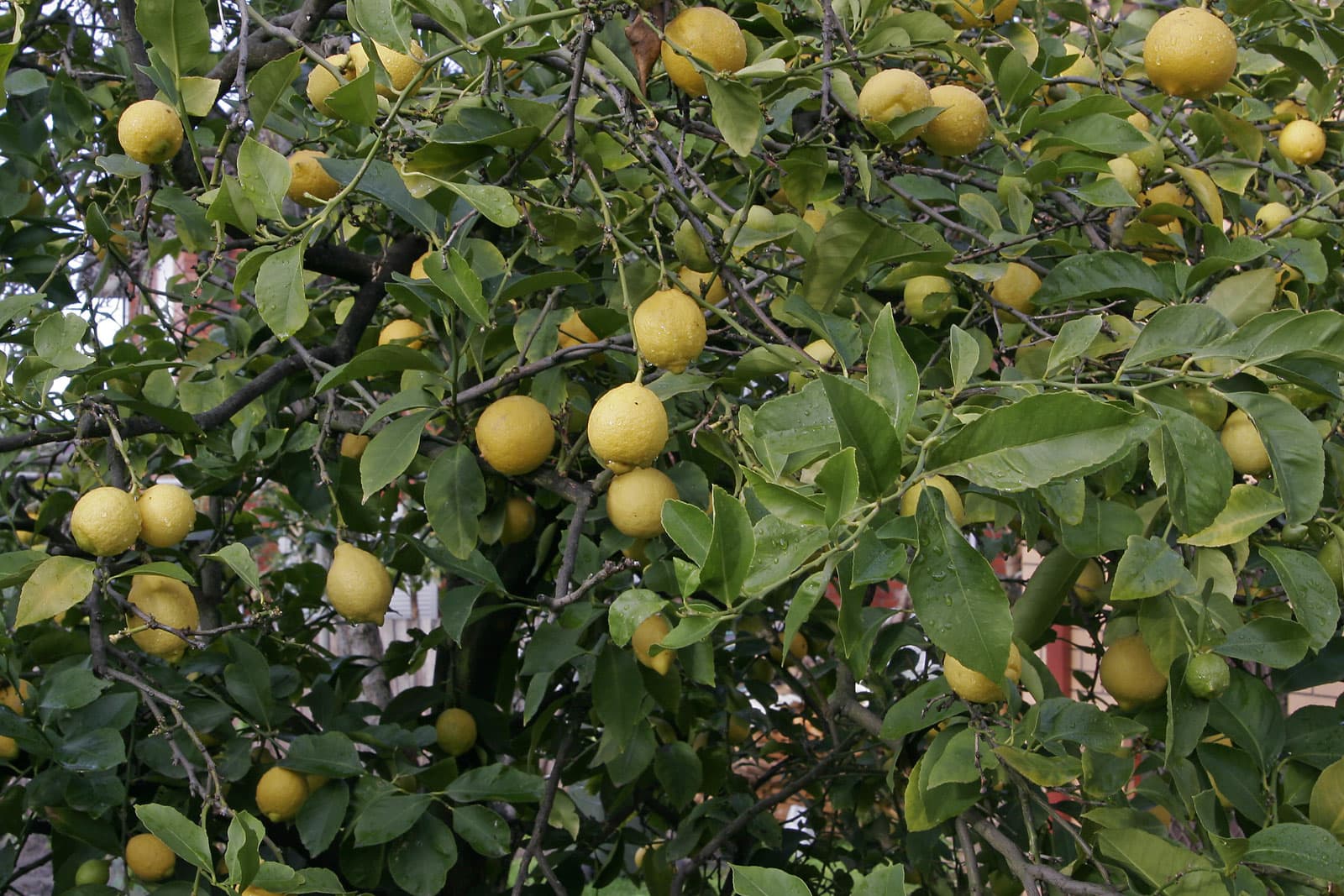
The lemon is a species of small evergreen trees that grows 10 to 20 feet tall and usually has sharp thorns on its twigs.
Citrus limon · Rutaceae
The lemon is a species of small evergreen trees that grows 10 to 20 feet tall and usually has sharp thorns on its twigs.
Scientific Name
Citrus limon
Family
Rutaceae
Hindi Name
Jambir, Nimbu,
Used Part
Phala (fruit)
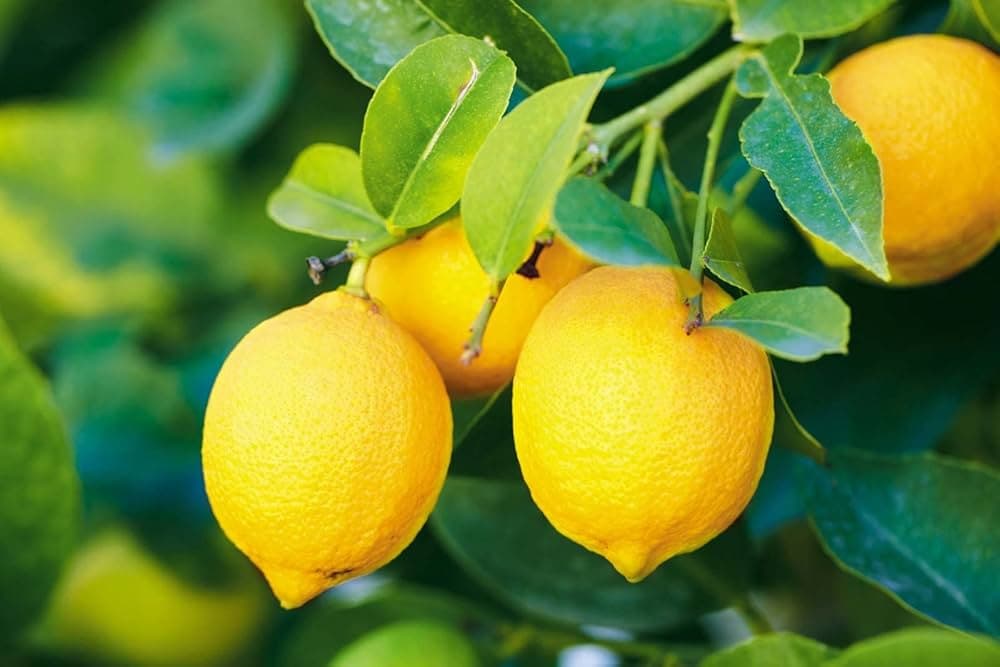
Morphology and field-identification notes as documented in our Dravyaguna library.
The lemon is a species of small evergreen trees that grows 10 to 20 feet tall and usually has sharp thorns on its twigs. Leaves alternate, simple attached by a short stalk. Generally ovate to elliptic with a pointed tip. They typically measure 6 to 15 cm in length and 2 to 7 cm in width.Flowers are hermaphroditic (perfect flowers) and consist of 4 to 5 white petals. Fruit is a modified berry called a hesperidium.
The five-fold framework Ayurveda uses to describe a drug — Rasa, Guna, Vipaka, Veerya and its effect on the doshas.
Amla
The primary taste perceived on the tongue.
Laghu, Tikshna
Physical and energetic attributes of the dravya.
Amla
Taste that emerges after complete digestion.
Vatakapha shamaka
Effect on Vata, Pitta and Kapha doshas.
Ushna
Heating (ushna) or cooling (sheeta) energy.
Rochana, Dantaharshana, Vakrashodhi Dipana, Pachana
How modern science maps onto the classical understanding of this dravya.
Pharmacological Action
Antioxidant, Antimicrobial, Anti-inflammatory and Hepatoprotective effects.
Phytoconstituents
Terpenes and Volatile Oils, flavonoids, citric acid, Vitamin C, polyphenols.
Classical Ayurvedic indications drawn directly from the Dravyaguna tradition — paired with the preparations recommended in shastra.
01
Drinking a glass of hot water, mixed along with 1 – 2 spoons of lemon juice extract, early in the morning, on empty stomach decreases fat deposition.
02
Take 3 grams of Tankana Bhasma (available in any Ayurveda medical store) in a stainless steel spoon. Add half a teaspoon of lemon juice to it. Apply this paste over the wart region.
03
It is attributed with qualities like Varnya – improves complexion and skin texture.
Always consult a qualified Ayurvedic physician before using any herb therapeutically. Dose, anupana and Prakriti-specific suitability matter.
Yoga / Kalpana
Common Ayurvedic preparations where Nimbuka is a key ingredient.
Shastra Pramana
रोचनो दीपनस्तीक्ष्णः सुगन्धिर्मुखशोधनः| जम्बीरः कफवातघ्नः क्रिमिघ्नो भक्तपाचनः||१६७||