Rasa (Taste)
Madhura
The primary taste perceived on the tongue.

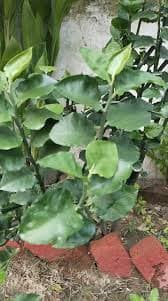
Nagdaman is a perennial shrub grow to 1.8 to 2.4 metres in height and generally is about 45 to 60 cm in width.
Euphorbia tithymaloides · Euphorbiaceae
Nagdaman is a perennial shrub grow to 1.8 to 2.4 metres in height and generally is about 45 to 60 cm in width.
Scientific Name
Euphorbia tithymaloides
Family
Euphorbiaceae
Hindi Name
Naagdon
Used Part
Root(moola)
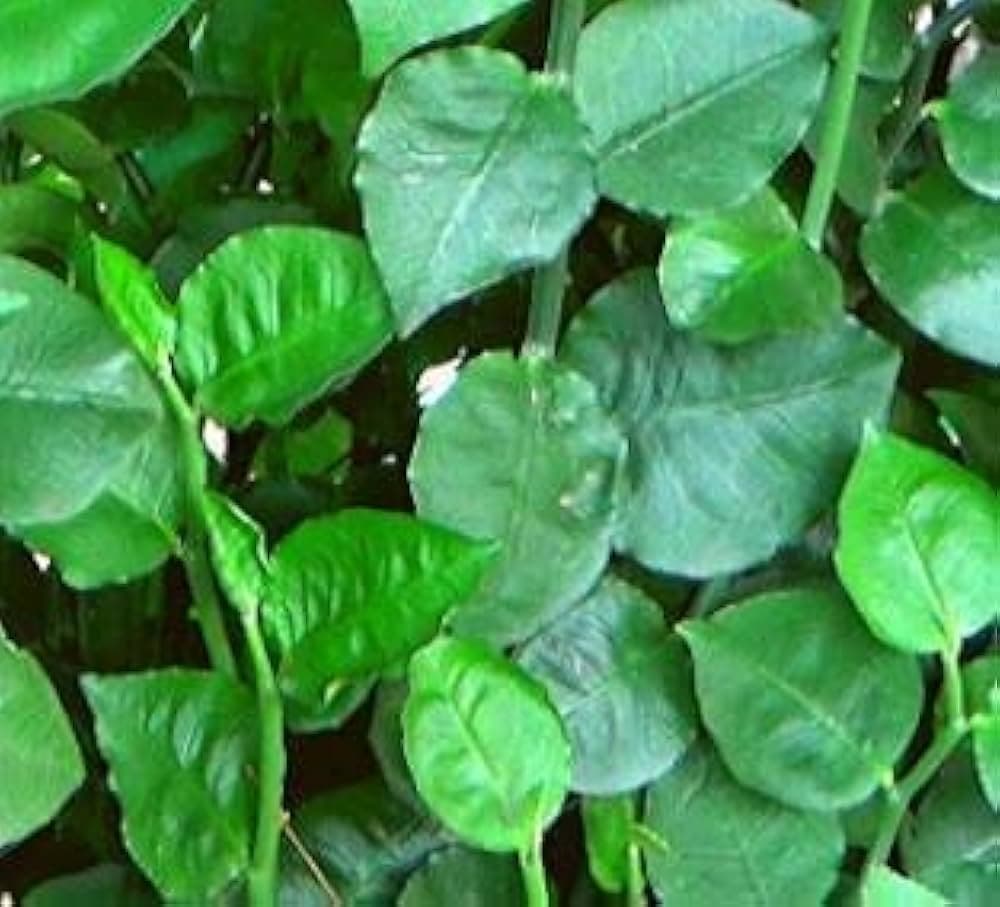
Morphology and field-identification notes as documented in our Dravyaguna library.
Nagdaman is a perennial shrub grow to 1.8 to 2.4 metres in height and generally is about 45 to 60 cm in width. The leaf is a simple leaf, arranged oppositely on the stem. Each leaf is sessile and about 35 to 75 mm in length. The leaves are smooth and acumunate in shape, with entire edges.
The five-fold framework Ayurveda uses to describe a drug — Rasa, Guna, Vipaka, Veerya and its effect on the doshas.
Madhura
The primary taste perceived on the tongue.
Snigdha, Picchila
Physical and energetic attributes of the dravya.
Madhura
Taste that emerges after complete digestion.
Vatapittashamaka
Effect on Vata, Pitta and Kapha doshas.
Sheeta
Heating (ushna) or cooling (sheeta) energy.
Kaphanihsaraka, Mutrala, Jvaraghna, Anulomana, Balya
How modern science maps onto the classical understanding of this dravya.
Pharmacological Action
Anti-inflammatory activity , Analgesic effect, Antipyretic action, Antioxidant activity , Mild Antimicrobial effect
Phytoconstituents
Saponins, Flavonoids, Alkaloids, Tannins, Glucosilinates, Mucilage
Classical Ayurvedic indications drawn directly from the Dravyaguna tradition — paired with the preparations recommended in shastra.
01
Internal (Digestive System): Administered in cases of constipation and piles/hemorrhoids.
02
Respiratory System: Beneficial for cough , asthma and tuberculosis . In these conditions, it is given in the form of an Avaleha.
03
Urinary System: Used in dysuria.
04
Temperature: Beneficial in treating fever.
05
It is used to stop abnormal bleeding from any body part such as in piles, periods, colitis, etc.
Always consult a qualified Ayurvedic physician before using any herb therapeutically. Dose, anupana and Prakriti-specific suitability matter.
Yoga / Kalpana
Common Ayurvedic preparations where Naagdaman is a key ingredient.
Shastra Pramana
मधुरःशीतपिच्छिलः । वातपित्तापहो बल्यः ज्वरश्नः कफशोधनः ॥ कासे श्वासे मूत्रकृच्छ्रे दौर्बल्ये च प्रशस्यते ।