Rasa (Taste)
Madhura, Tikta
The primary taste perceived on the tongue.

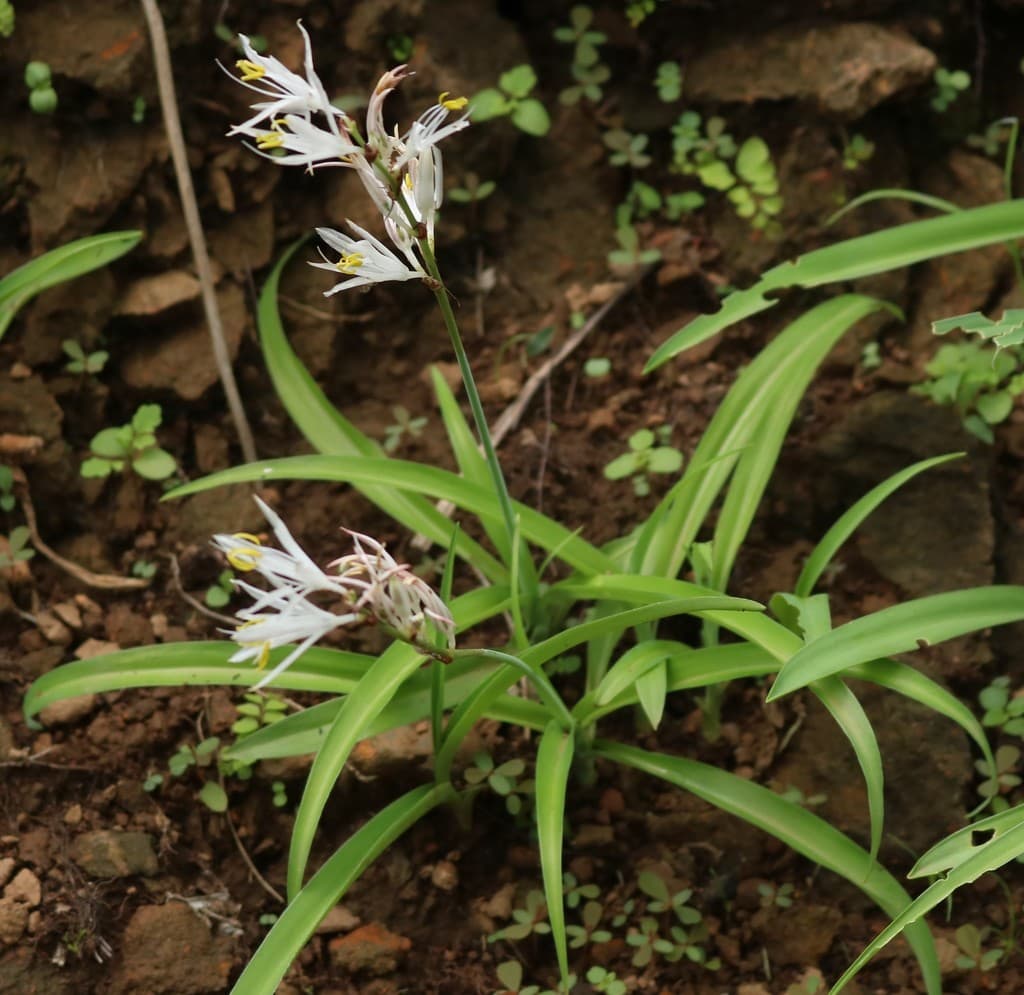
Musali is a small plant growing to a height of 2-3 cm, with multiple roots.
Asparagus adscendens · Liliaceae
Musali is a small plant growing to a height of 2-3 cm, with multiple roots.
Scientific Name
Asparagus adscendens
Family
Liliaceae
Hindi Name
Musli
Used Part
Mool (root) and Kaand (stem)
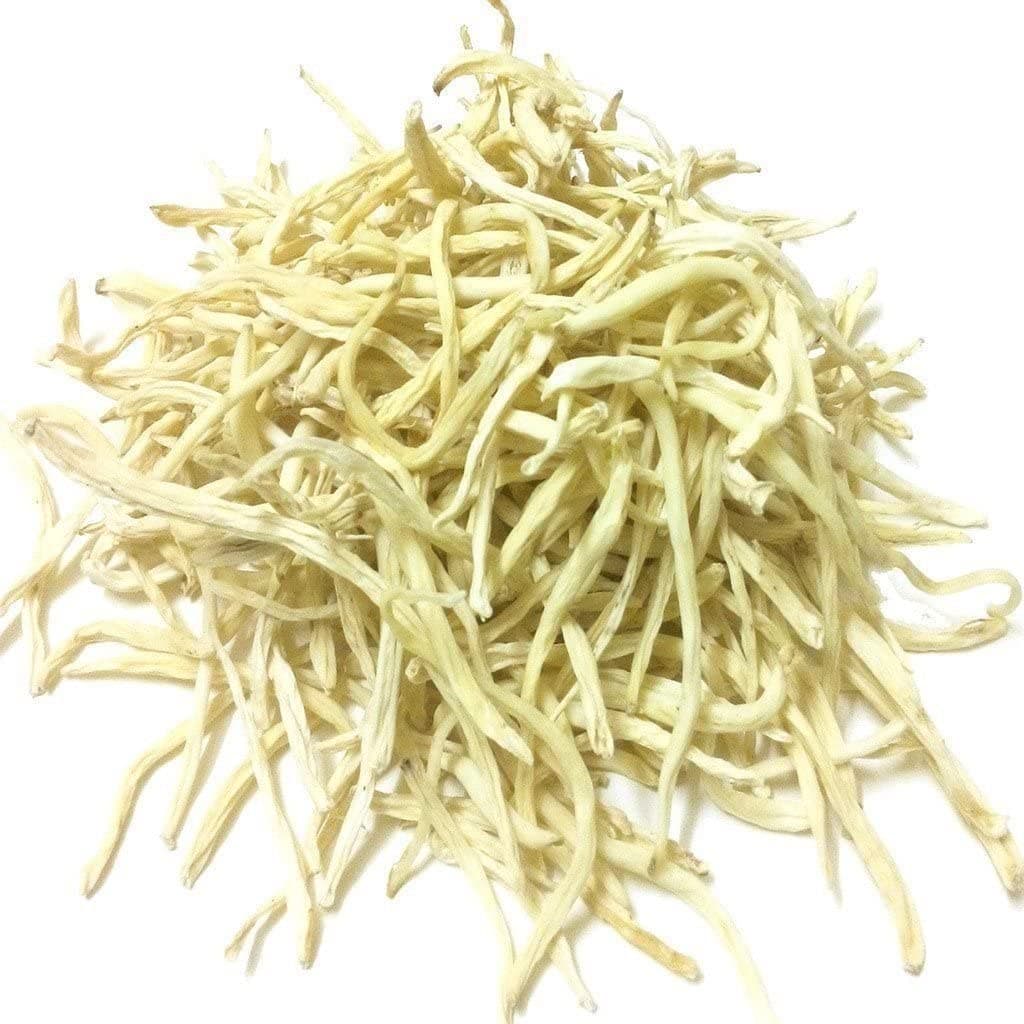
Morphology and field-identification notes as documented in our Dravyaguna library.
Musali is a small plant growing to a height of 2-3 cm, with multiple roots. The stem is soft, slippery, and white in color. The leaves are dark green, resembling those of a palm tree. The flowers are small, yellow in color, and appear in the rainy season. The roots are white in color and soft in nature.
The five-fold framework Ayurveda uses to describe a drug — Rasa, Guna, Vipaka, Veerya and its effect on the doshas.
Madhura, Tikta
The primary taste perceived on the tongue.
Guru , Snigdha
Physical and energetic attributes of the dravya.
Madhura
Taste that emerges after complete digestion.
Vata pitta Shamak
Effect on Vata, Pitta and Kapha doshas.
Sheeta
Heating (ushna) or cooling (sheeta) energy.
Balya, Bhringan, Rasayan ,Mutral. Shukral
How modern science maps onto the classical understanding of this dravya.
Pharmacological Action
Anti aging, nourishing, nutitious, aprodiasic
Phytoconstituents
It is a rich source of over 25 alkaloids, vitamins, proteins, carbohydrates, steroids, saponins, potassium, calcium, magnesium, phenol, resins, mucilage, and polysaccharides, and also contains a high quantity of simple sugars, mainly sucrose, glucose, fructose, galactose, mannose, and xylose.
Classical Ayurvedic indications drawn directly from the Dravyaguna tradition — paired with the preparations recommended in shastra.
01
Erectile dysfunction- Musli has spermatogenic properties and helps in improving the sperm quality as well as the sperm count. It also improves the testosterone levels, which further enhances blood circulation to the genitals for lengthier erections.
02
Stress- Musli might help manage stress due to its anti-stress and adaptogenic activity. It also has antioxidant properties that reduce free radicals in the body and minimize the risk of oxidative stress-induced disorders.
03
Arthritis- Saponins present in Musli have anti-inflammatory and anti-arthritic activities. It inhibits the inflammatory mediators like histamine and prostaglandins that are responsible for pain and inflammation in arthritic patients.
04
Diabetes- Musli might help manage diabetes by lowering blood glucose levels. It also has antioxidant properties that prevent damage to the pancreas. This helps improve the insulin level.
05
Cancer- Musli contains certain compounds such as steroidal glycosides, which have anticancer properties. It might also help in cell apoptosis (cell death) and reduce the tumor size and weight if used in the initial stage of cancer development.
Always consult a qualified Ayurvedic physician before using any herb therapeutically. Dose, anupana and Prakriti-specific suitability matter.
Yoga / Kalpana
Common Ayurvedic preparations where Musli is a key ingredient.
Shastra Pramana
मुशली मधुरा वृष्या वीर्योष्णा बृंहणी गुरुः | तिक्ता रसायनी हन्ति गुदजान्यनिलं तथा || भा.प्र