Rasa (Taste)
Tikta, Kashaya
The primary taste perceived on the tongue.

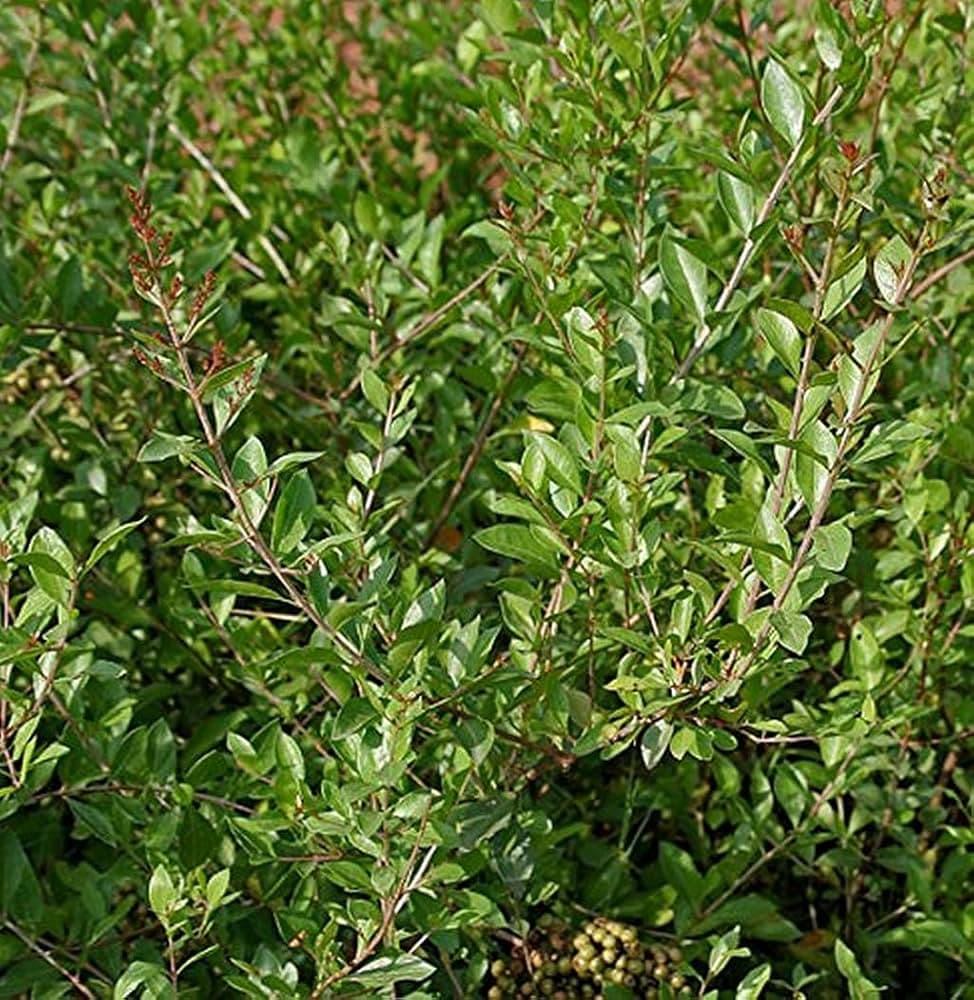
Madayantika is a heavily branched shrub or small tree, 2-6 m in height, found throughout India, often cultivated as a hedge plant.
Lawsonia inermis Linn · Lythraceae
Madayantika is a heavily branched shrub or small tree, 2-6 m in height, found throughout India, often cultivated as a hedge plant.
Scientific Name
Lawsonia inermis Linn
Family
Lythraceae
Hindi Name
Mehandi
Used Part
Patra (Leaf), Pushpa (Flower), Beeja (Seed).
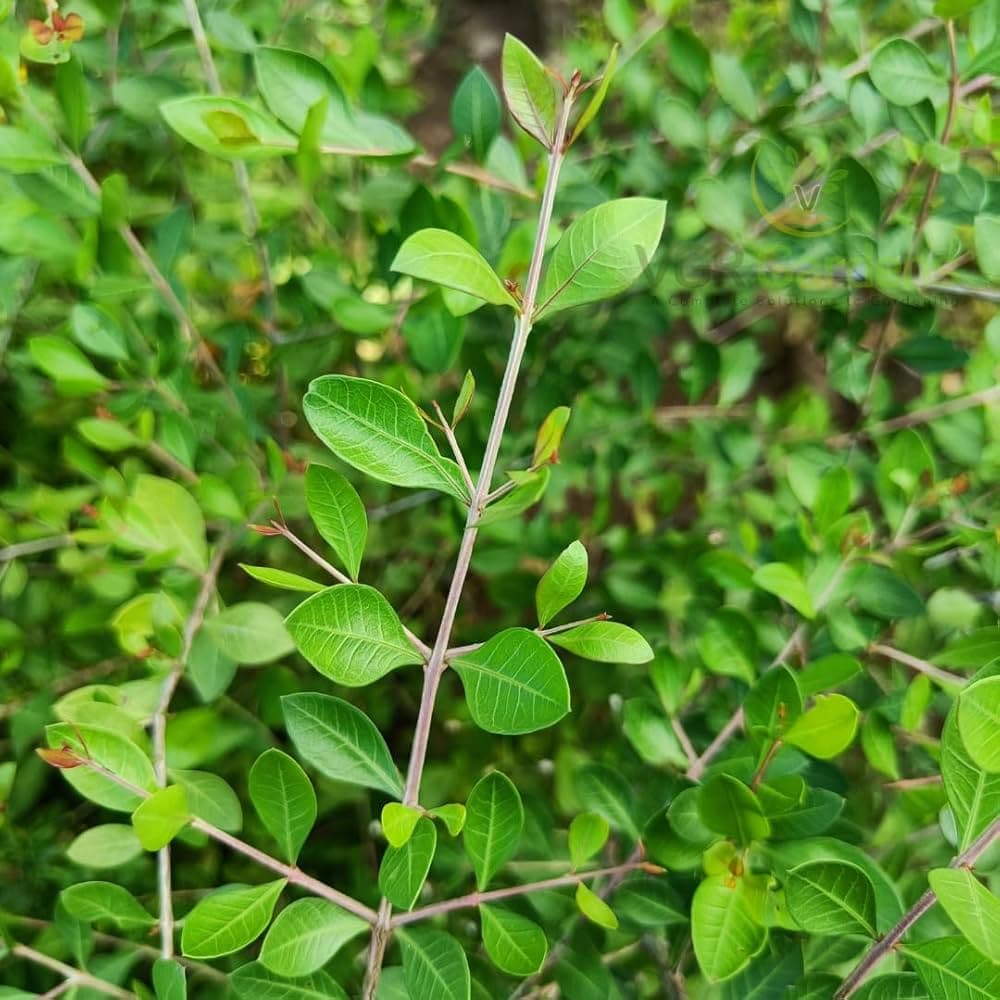
Morphology and field-identification notes as documented in our Dravyaguna library.
Madayantika is a heavily branched shrub or small tree, 2-6 m in height, found throughout India, often cultivated as a hedge plant.
It has greyish-brown bark, and the older branches are often spiny.
Leaves are opposite, subsessile, elliptic or broadly lanceolate, entire, acute or obtuse.
Flowers are small, numerous, fragrant, white or rose-colored, in large terminal pyramidal panicled cymes.
Fruit is a globose capsule, about the size of a pea, with numerous small, brown, pitted seeds.
The five-fold framework Ayurveda uses to describe a drug — Rasa, Guna, Vipaka, Veerya and its effect on the doshas.
Tikta, Kashaya
The primary taste perceived on the tongue.
Laghu, Ruksha
Physical and energetic attributes of the dravya.
Katu
Taste that emerges after complete digestion.
Kaphapitta Shamaka
Effect on Vata, Pitta and Kapha doshas.
Sheeta
Heating (ushna) or cooling (sheeta) energy.
Varnya, Rakta-prasadan, Kushthaghna, Kandughna, Dahaprashamana, Jwaraghna, Vishaghna.
How modern science maps onto the classical understanding of this dravya.
Pharmacological Action
Rich in Antioxidants: Curry leaves are a good source of antioxidants, including vitamins A, C, and E, which help protect cells from oxidative stress and damage caused by free radicals.
Phytoconstituents
Leaves contain a coloring matter called lawsone (2-hydroxy-1,4-naphthoquinone), tannins, gallic acid, glucose, mannitol, and mucilage.
Classical Ayurvedic indications drawn directly from the Dravyaguna tradition — paired with the preparations recommended in shastra.
01
Paste of Madayantika leaves applied on the soles and palms is beneficial in Daha (Burning sensation).
02
Decoction (Kwatha) of leaves is used for gargling in Mukhapaka (Stomatitis) and throat infections.
03
Leaf juice mixed with water/milk is used in cases of Prameha (Diabetes) and Raktapitta (Bleeding disorders).
04
Paste of leaves is applied externally in Kushtha (Skin diseases) and various fungal infections (Dadru).
05
The oil prepared from leaves is used to promote hair growth and treat scalp infections.
Always consult a qualified Ayurvedic physician before using any herb therapeutically. Dose, anupana and Prakriti-specific suitability matter.
Yoga / Kalpana
Common Ayurvedic preparations where Madyantika is a key ingredient.
Shastra Pramana
मदयन्तिका लघुस्तिक्ता कषाया शीतला तथा। कफपित्तप्रशमनी कुष्ठघ्नी सा प्रकीर्तिता॥ (कैयदेव निघण्टु, ओषधि वर्ग)