Rasa (Taste)
Tikta, Kashaya
The primary taste perceived on the tongue.

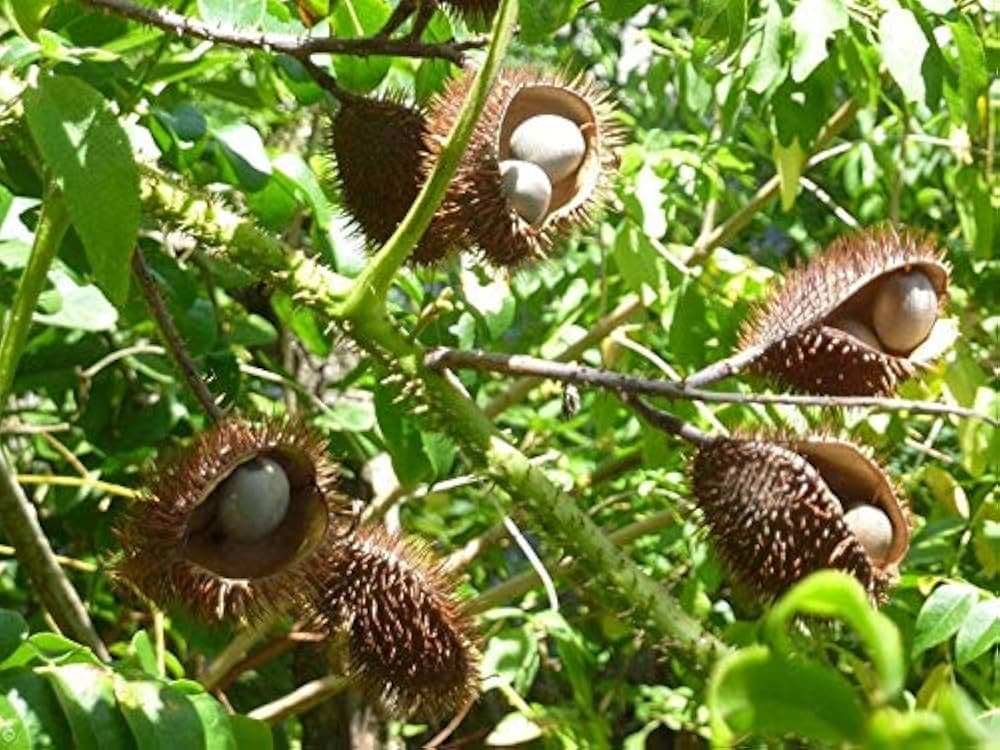
Latakaranja grows throughout India.
Caesalpinia crista · Fabaceae
Latakaranja grows throughout India.
Scientific Name
Caesalpinia crista
Family
Fabaceae
Hindi Name
Kantaki Karanja
Used Part
Beeja (seed), Phala (fruit), Twak (Bark), Patra (leaf).
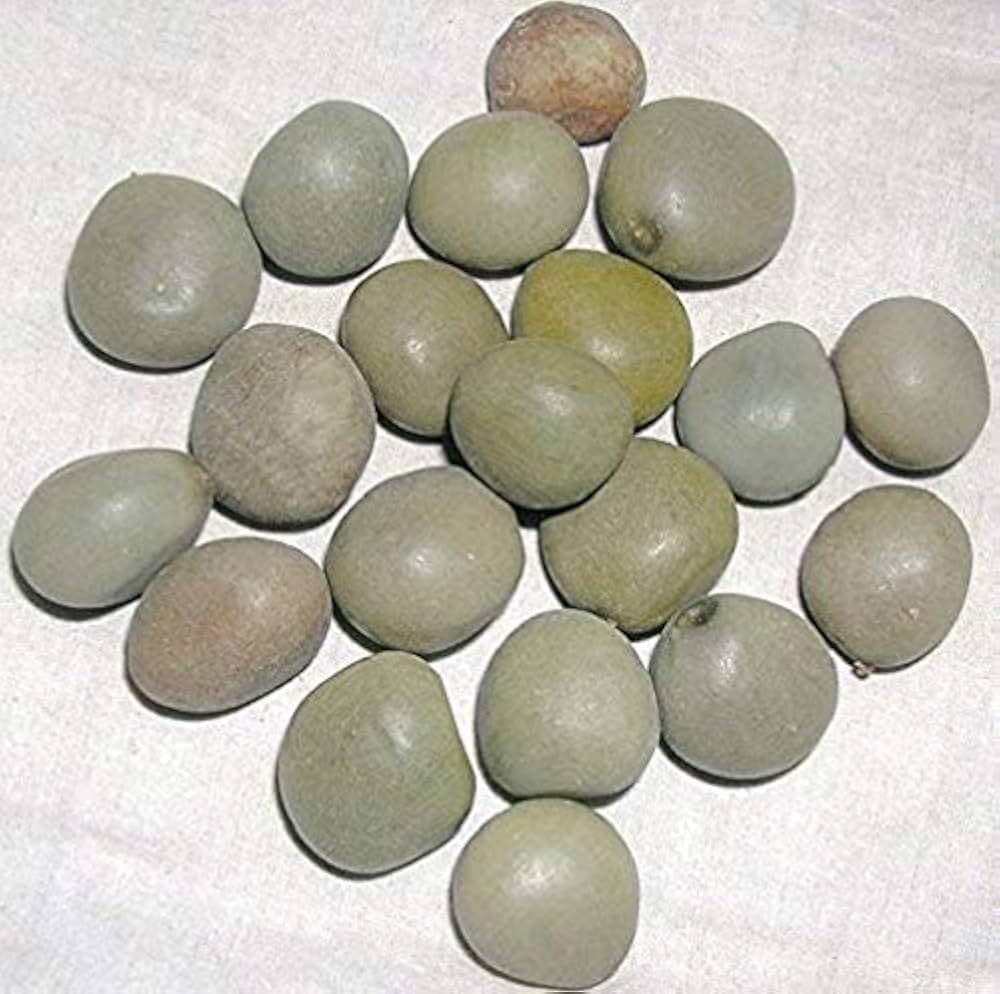
Morphology and field-identification notes as documented in our Dravyaguna library.
Latakaranja grows throughout India. It is a large, straggling, thorny shrub, compound 30 to 60 cm long, petioles are prickly. At the base of the leaf, there is a pair of stipules reduced to pinnae. Inflorescence long peduncled, terminal or supra-axillary raceme. The fruits have pods, shortly stalked, oblong, 5 to 7cm long, seeds are 1 to 2in one fruit, lead coloured, 1 to 3 cm long.
The five-fold framework Ayurveda uses to describe a drug — Rasa, Guna, Vipaka, Veerya and its effect on the doshas.
Tikta, Kashaya
The primary taste perceived on the tongue.
Laghu, Tikshna
Physical and energetic attributes of the dravya.
Katu
Taste that emerges after complete digestion.
Vata Kapha Shamaka
Effect on Vata, Pitta and Kapha doshas.
Ushna
Heating (ushna) or cooling (sheeta) energy.
Vishamajwaraghna, Krimighna, Shothahara, Pramehaghna and Shulahara .
How modern science maps onto the classical understanding of this dravya.
Pharmacological Action
Anthelmintic, Styptic, Antipyretic, Antiviral, Antifungal and Antimicrobial.
Phytoconstituents
Seeds contain Caesalpin, Pytosterinin, Bonducin, Saponin, Fatty oil, Starch and kernel contains Caesalpin and Fatty acids.
Classical Ayurvedic indications drawn directly from the Dravyaguna tradition — paired with the preparations recommended in shastra.
01
It is an important ingredient in Ayush-64, an anti-malarial medicine developed by the Ministry of AYUSH. It is also effective in treating all types of fever.
02
It also helps in managing the symptoms of diabetes like frequent urination, weight loss, excessive thirst, and fatigue.
03
It is used to treat mental disorders in Ayurveda. It is also used to manage neurodegenerative disorders like dementia and Alzheimer’s disease.
04
Latakaranja is very helpful for women with menstrual problems. It regularizes irregular periods and reduces severe menstrual cramps.
05
It also has a calming effect on the central nervous system and thus helps relax psychological tension.
Always consult a qualified Ayurvedic physician before using any herb therapeutically. Dose, anupana and Prakriti-specific suitability matter.
Yoga / Kalpana
Common Ayurvedic preparations where Lata Karanja is a key ingredient.
Shastra Pramana
करञ्जः कटुकस्तीक्ष्णो वीर्योष्णो योनिदोषहृत् । कुष्ठोदावर्तगुलमार्शोव्रणकृमिकफापहः ।। (भा.प्र. गुडूच्यादि वर्गः 120) तद्बीजन्तु कुबेराक्षं तिक्तमुष्णं प्रभावतः । विषमज्वरहन्तृ स्याद् यकृच्छूलनिवारणम् ।। (प्रि.नि. हरीतक्यादि वर्गः 211)