Rasa (Taste)
Kashaya, Madhura
The primary taste perceived on the tongue.

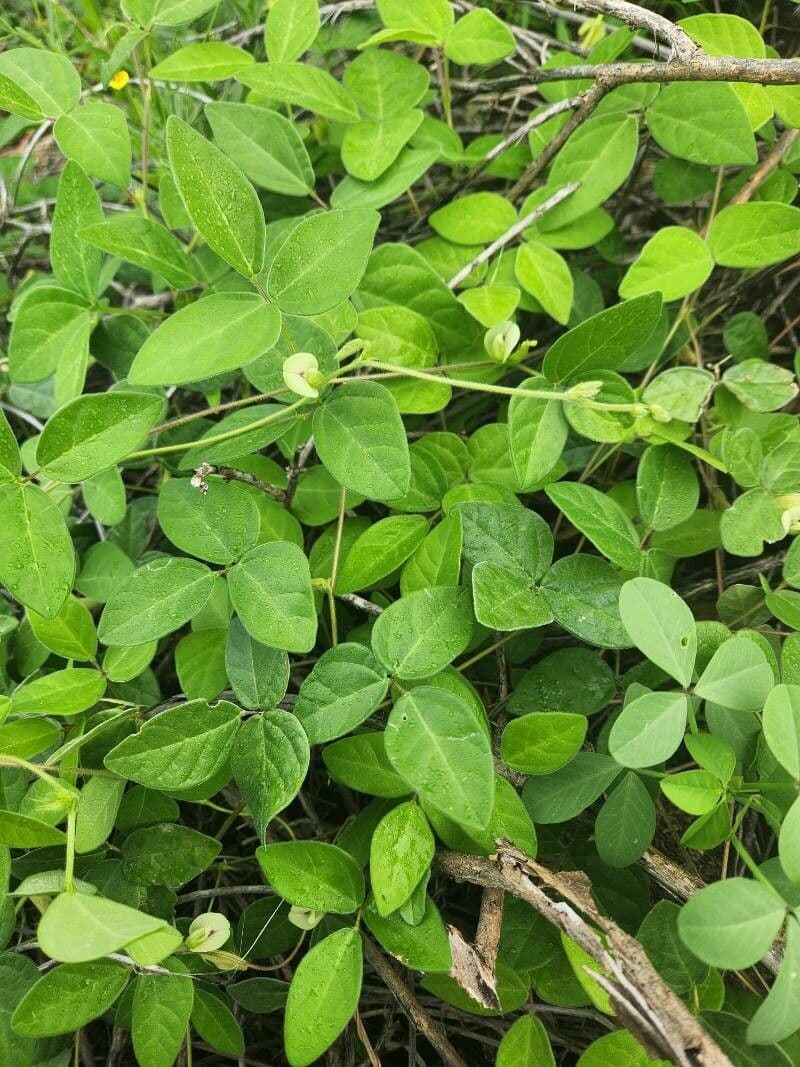
Kulatha is a slender annual herb widely cultivated in India.
Dolichos biflorus Linn. · Fabaceae
Kulatha is a slender annual herb widely cultivated in India.
Scientific Name
Dolichos biflorus Linn.
Family
Fabaceae
Hindi Name
Kulthi
Used Part
Seeds
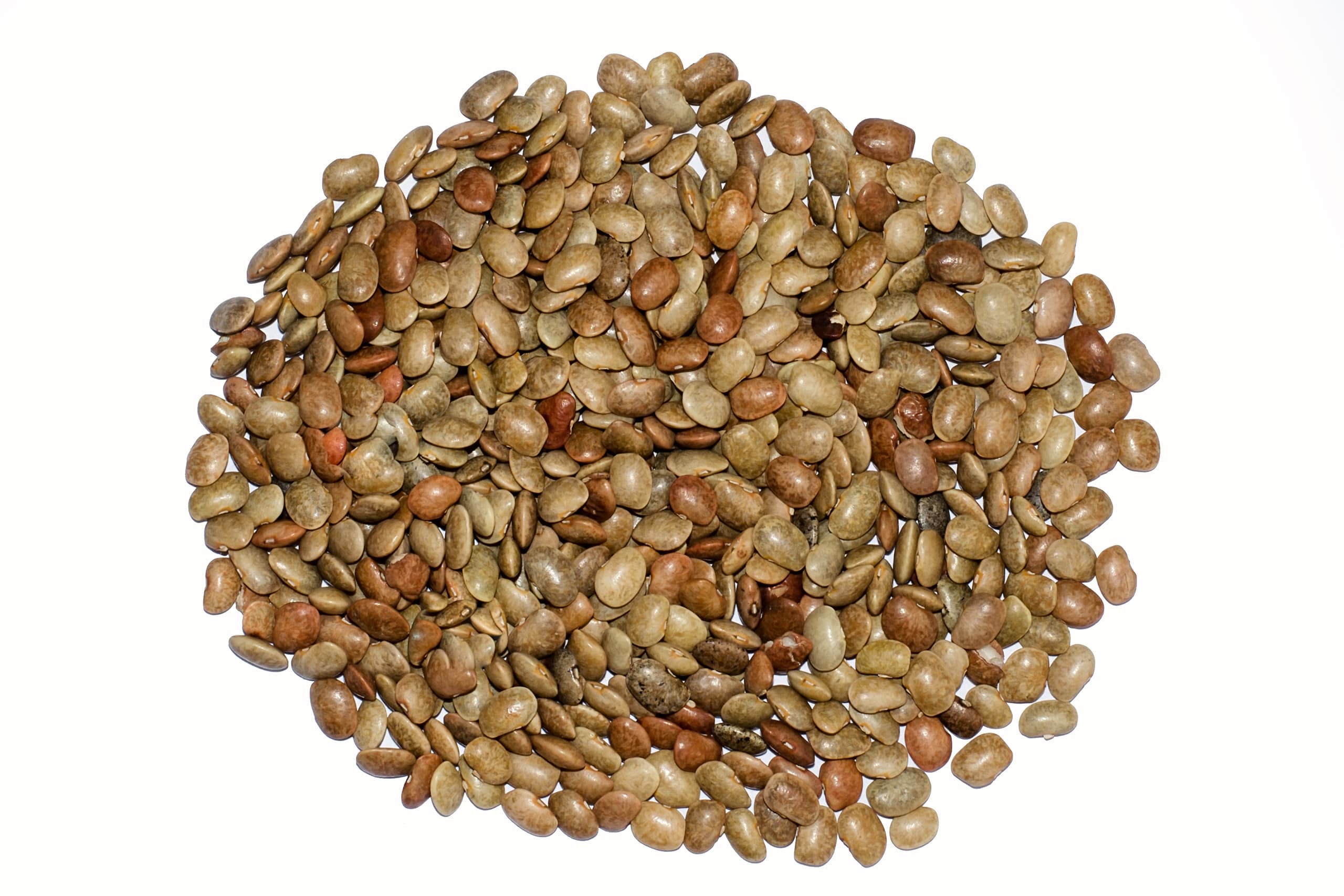
Morphology and field-identification notes as documented in our Dravyaguna library.
Kulatha is a slender annual herb widely cultivated in India. The plant bears trifoliate leaves with small white to pale yellow flowers arranged in clusters. Pods are narrow and contain hard, reddish-brown seeds. It is drought-resistant and commonly grown in dry regions as a pulse crop.
The five-fold framework Ayurveda uses to describe a drug — Rasa, Guna, Vipaka, Veerya and its effect on the doshas.
Kashaya, Madhura
The primary taste perceived on the tongue.
Laghu, Ruksha,Tikshna
Physical and energetic attributes of the dravya.
Katu
Taste that emerges after complete digestion.
Kapha-Vata Shamaka
Effect on Vata, Pitta and Kapha doshas.
Ushna
Heating (ushna) or cooling (sheeta) energy.
Ashmarihara, Shwashara, Kaasahar, Lekhana, Mutrala, Swedajanan, Medohara, Jwaraghna, Krimighna, Ruchikara, Bhedana, Arshoghna, Shulahara, Vranaropaka, Chakshushya
How modern science maps onto the classical understanding of this dravya.
Pharmacological Action
Diuretic, Anti-inflammatory, Antioxidant, Antihyperlipidemic, Antiurolithiatic, Haemoglutinating
Phytoconstituents
Contains proteins, carbohydrates, flavonoids, phenolic compounds, dietary fiber, Iron and Calcium.
Classical Ayurvedic indications drawn directly from the Dravyaguna tradition — paired with the preparations recommended in shastra.
01
Useful in Urinary Calculi (kidney stones).
02
Beneficial in obesity and hyperlipidemia.
03
Helps in edema and inflammatory conditions.
04
Used in cough and respiratory disorders.
05
Improves digestion and metabolism.
Always consult a qualified Ayurvedic physician before using any herb therapeutically. Dose, anupana and Prakriti-specific suitability matter.
Yoga / Kalpana
Common Ayurvedic preparations where Kulattha is a key ingredient.
Shastra Pramana
कुलत्थः कषायमधुरो रूक्ष उष्णो लघुः स्मृतः ।कफवातहरो दीप्यो अश्मरीशोथनाशनः ॥