Rasa (Taste)
Katu, Tikta
The primary taste perceived on the tongue.

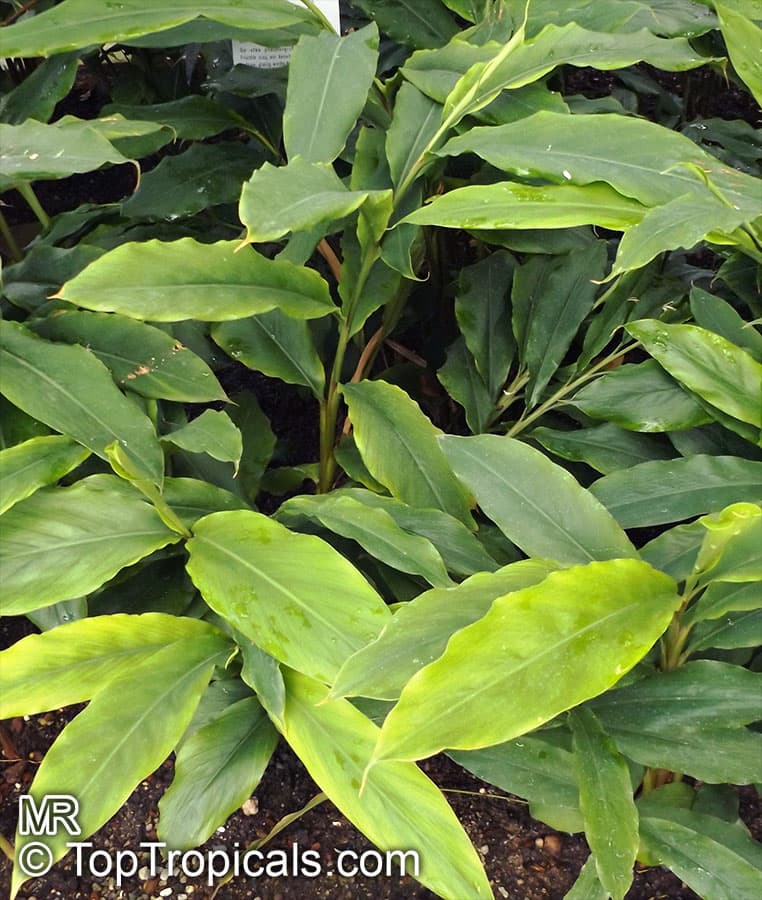
A perennial aromatic herb with underground rhizomes.
Alpinia galanga · Zingiberaceae
A perennial aromatic herb with underground rhizomes.
Scientific Name
Alpinia galanga
Family
Zingiberaceae
Hindi Name
Mahabharivach
Used Part
Rhizome(underground stem )
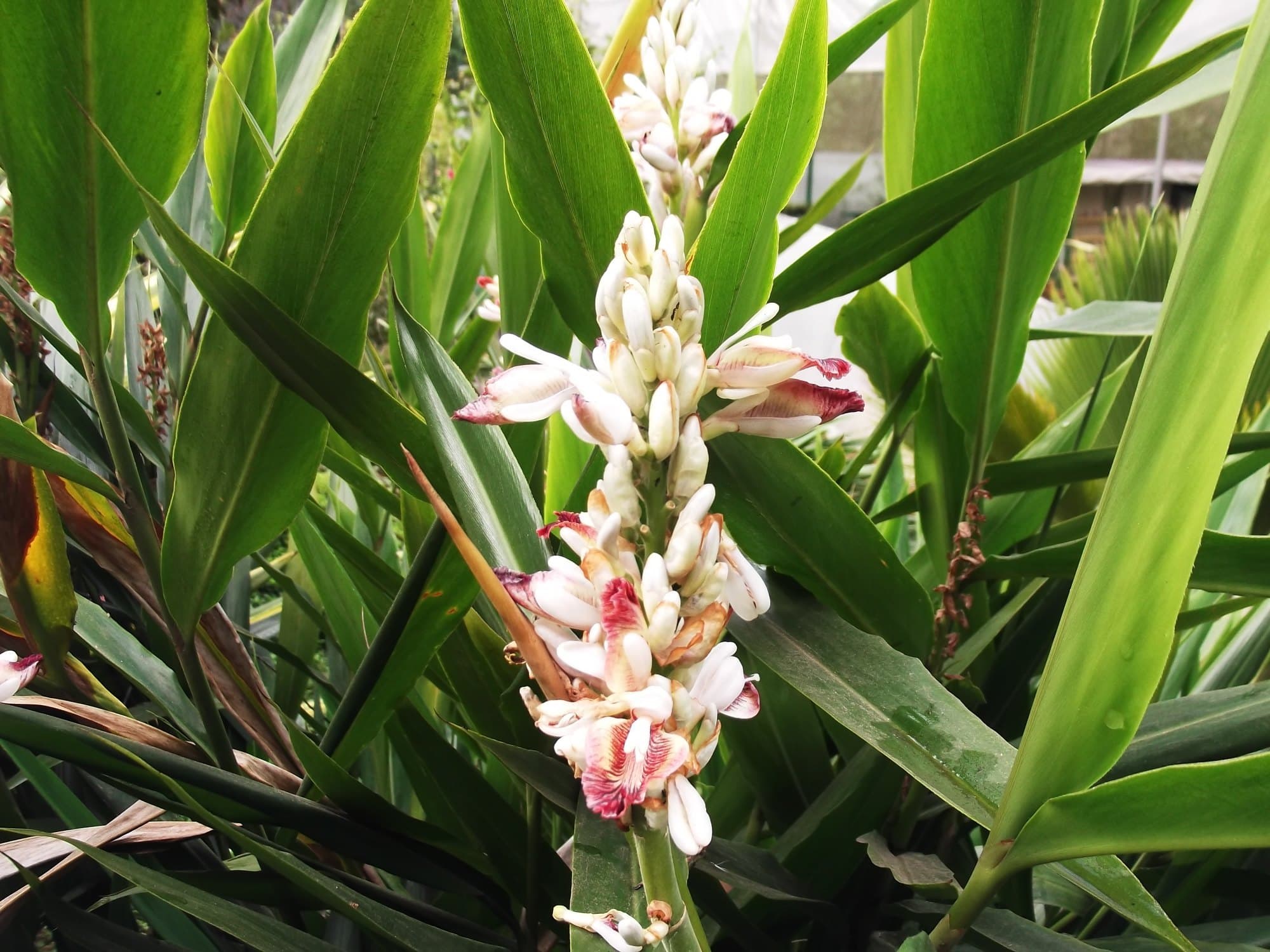
Morphology and field-identification notes as documented in our Dravyaguna library.
A perennial aromatic herb with underground rhizomes. The stem is erect, leafy, and about 1 to 2 m tall. leaves are long, lance-shaped, green, and smooth. Flowers are greenish white with reddish streaks. fruit small, round, reddish capsule. Rhizome thick, reddish brown outside and aromatic inside.
The five-fold framework Ayurveda uses to describe a drug — Rasa, Guna, Vipaka, Veerya and its effect on the doshas.
Katu, Tikta
The primary taste perceived on the tongue.
Laghu, Ruksha and Tikshna
Physical and energetic attributes of the dravya.
Katu
Taste that emerges after complete digestion.
Balances Kapha and Vata doshas
Effect on Vata, Pitta and Kapha doshas.
Ushna
Heating (ushna) or cooling (sheeta) energy.
Deepaniya , Pachana , Kaphaghna, Vatahara and Shoolahara
How modern science maps onto the classical understanding of this dravya.
Pharmacological Action
Carminative,Anti-inflammatory,Antispasmodic,Galactagogue
Phytoconstituents
Kulanjan contains a variety of bioactive compounds, including essential oils rich in Cineole, Camphor, and Terpinene. It also contains Flavonoids, Phenolic compounds, and Galangin, which contribute to its antioxidant properties. The rhizomes of Kulanjan are known for their high content of volatile oils, such as 1,8-Cineole and Alpha-Pinene, which impart its characteristic aroma and contribute to its medicinal value in traditional herbal medicine.
Classical Ayurvedic indications drawn directly from the Dravyaguna tradition — paired with the preparations recommended in shastra.
01
Anti-Inflammatory Properties: Kulanjan contains compounds like flavonoids and phenolic compounds that exhibit anti-inflammatory properties. It may help reduce inflammation and alleviate symptoms of inflammatory conditions like arthritis and joint pain.
02
Digestive Aid: Kulanjan has been traditionally used to improve digestion. It can stimulate the production of digestive enzymes and may help relieve digestive issues such as indigestion, bloating, and gas.
03
Respiratory Health: Kulanjan has mucolytic properties, which means it can help break down and expel mucus from the respiratory tract. This makes it potentially beneficial for individuals with respiratory conditions like asthma, bronchitis, or coughs.
04
Antioxidant Effects:The plant contains antioxidants like flavonoids and polyphenols that can help combat oxidative stress in the body. Oxidative stress is associated with various chronic diseases, and antioxidants can neutralize harmful free radicals.
05
Aphrodisiac and Libido Enhancement:In some traditional medicine systems, kulanjan is believed to have aphrodisiac properties and is used to improve sexual health and libido. It may help enhance sexual desire and performance.
Always consult a qualified Ayurvedic physician before using any herb therapeutically. Dose, anupana and Prakriti-specific suitability matter.
Yoga / Kalpana
Common Ayurvedic preparations where Kulanjana is a key ingredient.
Shastra Pramana
अपरा सुगन्धा स्थूलग्रन्थिः यस्या लोके महाभरी इति नाम | स्थूलग्रन्थिः सुगन्धा स्यात्ततो हीनगुणा स्मृता ||( भा.प्र )