Rasa (Taste)
Tikta, Katu
The primary taste perceived on the tongue.

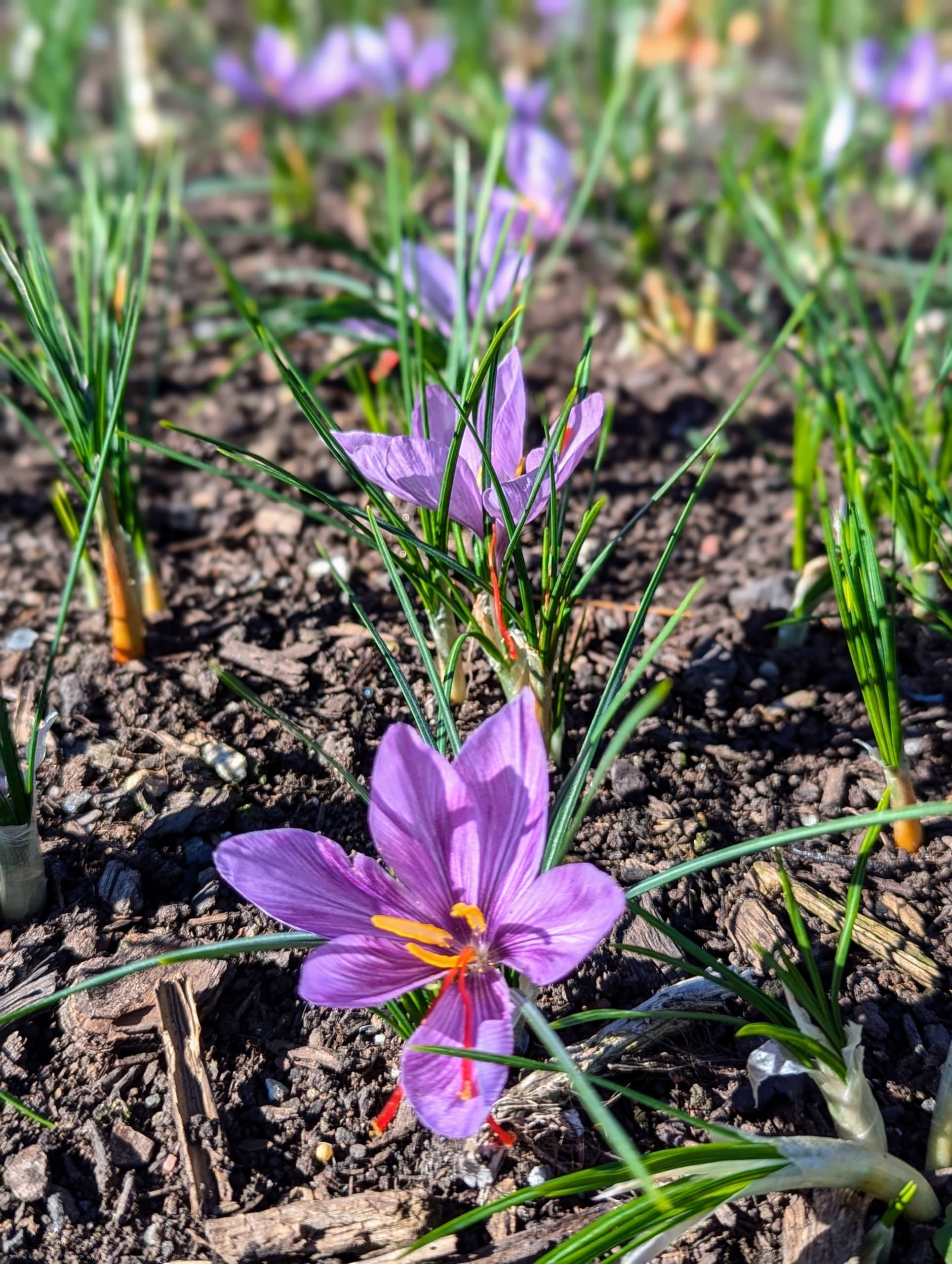
Kesar is a small perennial bulbous herb, cultivated in Kashmir in India.
Crocus sativus Linn. · Iridaceae
Kesar is a small perennial bulbous herb, cultivated in Kashmir in India.
Scientific Name
Crocus sativus Linn.
Family
Iridaceae
Hindi Name
Kesar
Used Part
Stigma / Style
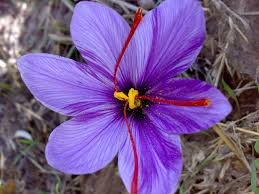
Morphology and field-identification notes as documented in our Dravyaguna library.
Kesar is a small perennial bulbous herb, cultivated in Kashmir in India. It has a globose corm, about 3-5 cm in diameter. Leaves are narrow, linear, with a white central longitudinal stripe. Flowers are solitary or in groups, large, lily-like, violet or purple. The style is divided into three long, deep red or orange-red stigmas.
The five-fold framework Ayurveda uses to describe a drug — Rasa, Guna, Vipaka, Veerya and its effect on the doshas.
Tikta, Katu
The primary taste perceived on the tongue.
Snigdha, Laghu
Physical and energetic attributes of the dravya.
Katu
Taste that emerges after complete digestion.
Tridosha Shamaka (Vata-Kapha Hara)
Effect on Vata, Pitta and Kapha doshas.
Ushna
Heating (ushna) or cooling (sheeta) energy.
Varnya, Vishaghna, Rakta Prasadana, Deepana, Pachana, Vedanasthapana.
How modern science maps onto the classical understanding of this dravya.
Pharmacological Action
Antioxidant, Antidepressant, Antitumor, Cardioprotective, Aphrodisiac.
Phytoconstituents
Contains Crocin (color), Picrocrocin (taste), and Safranal (aroma).
Classical Ayurvedic indications drawn directly from the Dravyaguna tradition — paired with the preparations recommended in shastra.
01
External application of Kesar paste for headaches (Shiro-shoola).
02
Administered with milk as a complexion enhancer (Varnya).
03
Used with warm water in dysmenorrhea and menstrual pain.
04
Used in hyperpigmentation (Vyanga) to improve skin glow.
05
Acts as a nervine tonic in Vataja disorders like neuralgic pains.
Always consult a qualified Ayurvedic physician before using any herb therapeutically. Dose, anupana and Prakriti-specific suitability matter.
Yoga / Kalpana
Common Ayurvedic preparations where Kumkum is a key ingredient.
Shastra Pramana
कुङ्कुमं कटुकं तिक्तमुष्णं श्लेष्महरं लघु ।वर्ण्यं व्यङ्गहरं वृष्यं रक्तप्रसादनं परम् ॥(भावप्रकाश निघण्टु)