Rasa (Taste)
Amla, Kashaya
The primary taste perceived on the tongue.

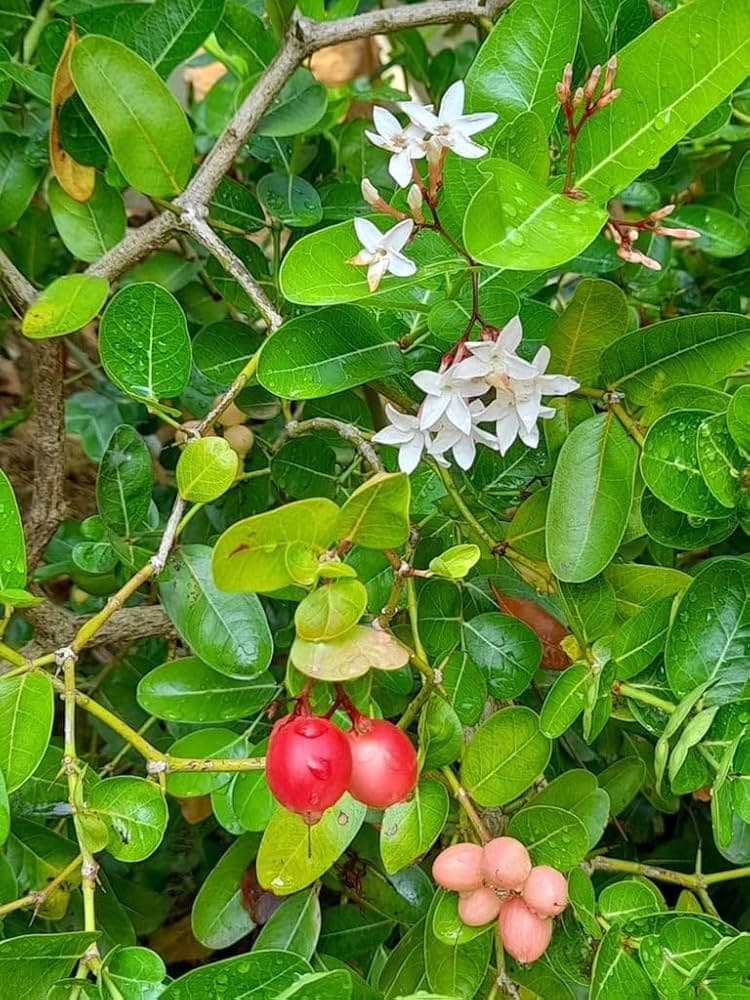
Karamardaka is a thorny evergreen shrub commonly found in India.
Carissa carandas Linn. · Apocynaceae
Karamardaka is a thorny evergreen shrub commonly found in India.
Scientific Name
Carissa carandas Linn.
Family
Apocynaceae
Hindi Name
Karonda
Used Part
Fruit, Root and Leaves
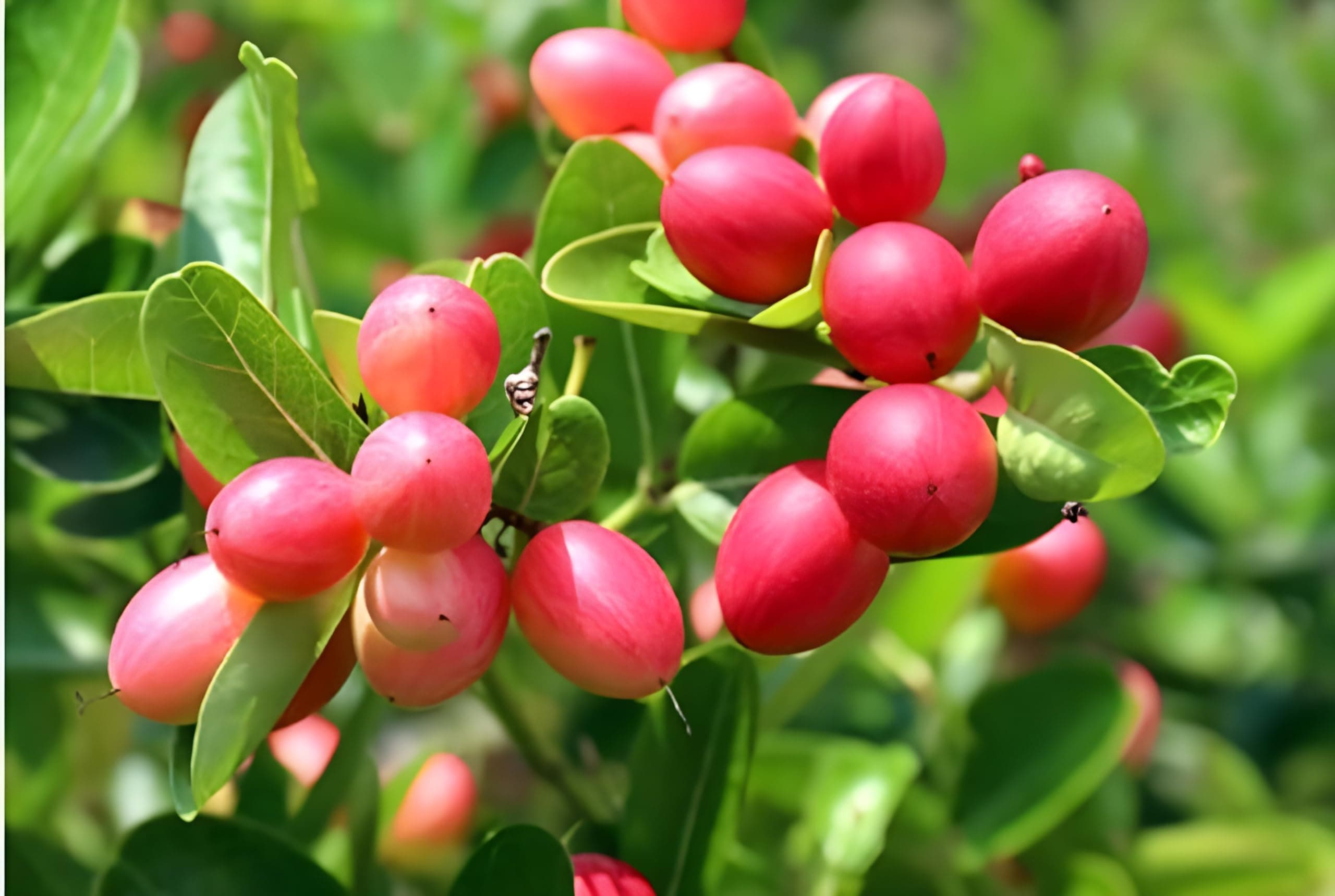
Morphology and field-identification notes as documented in our Dravyaguna library.
Karamardaka is a thorny evergreen shrub commonly found in India. Leaves are simple, dark green and shiny. Flowers are white and fragrant. Fruits are small, oval and turn pink to dark purple on ripening. The plant is widely used in Ayurveda for digestive and medicinal purposes.
The five-fold framework Ayurveda uses to describe a drug — Rasa, Guna, Vipaka, Veerya and its effect on the doshas.
Amla, Kashaya
The primary taste perceived on the tongue.
Laghu, Ruksha
Physical and energetic attributes of the dravya.
Amla
Taste that emerges after complete digestion.
Vatahara and Kaphahara
Effect on Vata, Pitta and Kapha doshas.
Ushna
Heating (ushna) or cooling (sheeta) energy.
Deepana, Pachana, Grahi, Ruchikara, Trishnahara
How modern science maps onto the classical understanding of this dravya.
Pharmacological Action
Antioxidant, Antimicrobial, Anti-inflammatory and Digestive stimulant
Phytoconstituents
Contains Vitamin C, Iron, Pectin, Flavonoids and Organic acids.
Classical Ayurvedic indications drawn directly from the Dravyaguna tradition — paired with the preparations recommended in shastra.
01
Fruit is useful in indigestion and loss of appetite.
02
Helps in improving digestion and reducing thirst.
03
Used in Anaemia and general weakness.
04
Fruit pickle is commonly used as an appetizer.
05
Useful in skin disorders and fever.
Always consult a qualified Ayurvedic physician before using any herb therapeutically. Dose, anupana and Prakriti-specific suitability matter.
Yoga / Kalpana
Common Ayurvedic preparations where Karmard is a key ingredient.
Shastra Pramana
करमर्दद्रयं त्वामृमुम्त्रं गुरु तृषा उष्णं रुचिकर प्रोक्त रक्तपित्तकफप्रदम् । तुत्पक्वं मधुरं रुच्यं लघु पित्तसमीरजित् ||( भा.प्र. )