Rasa (Taste)
Kashaya
The primary taste perceived on the tongue.

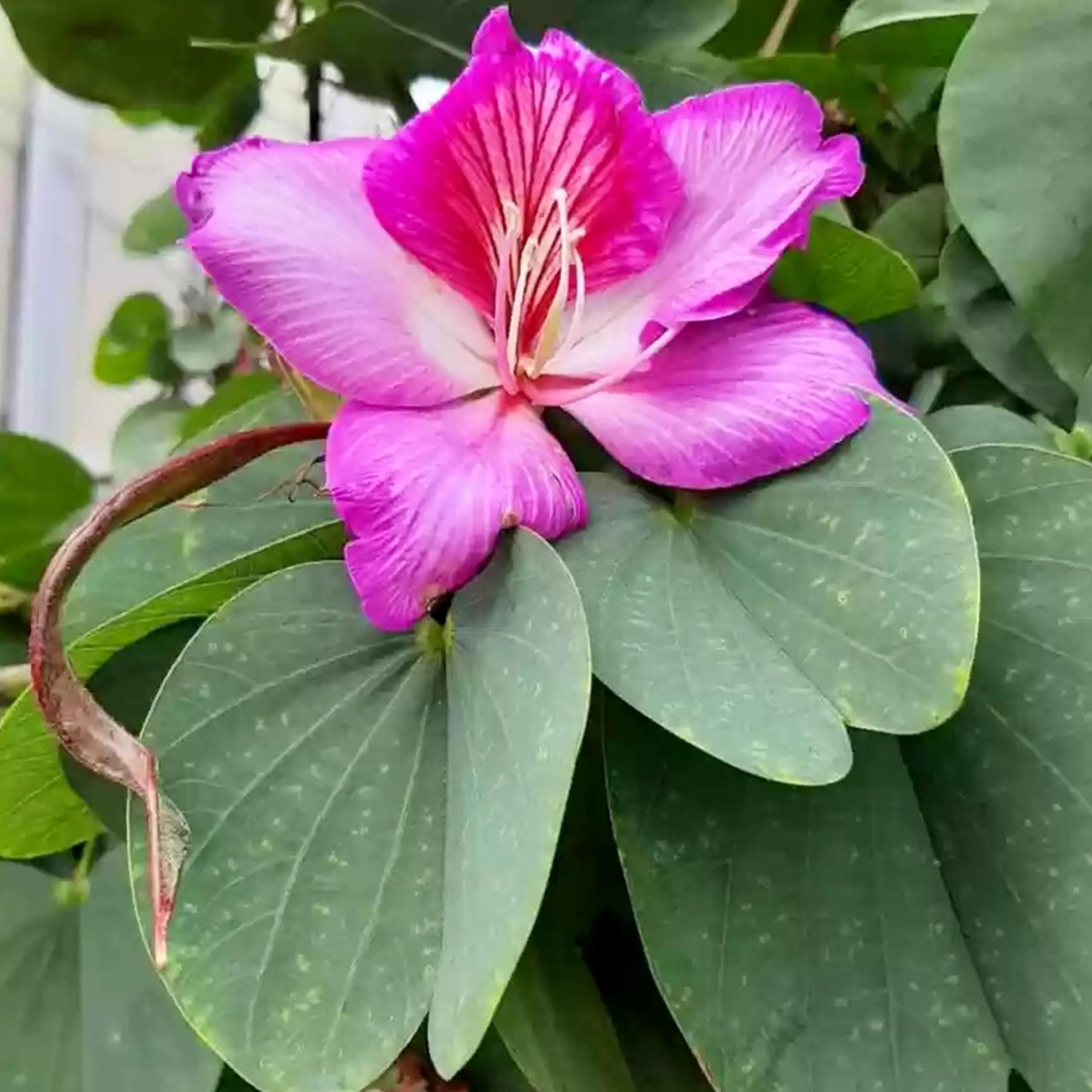
Kachnar is a deciduous tree of small to medium sized height up to 15mt with spreading crown and a short bole.
Bauhinia variegata Linn. · Fabaceae
Kachnar is a deciduous tree of small to medium sized height up to 15mt with spreading crown and a short bole.
Scientific Name
Bauhinia variegata Linn.
Family
Fabaceae
Hindi Name
Kachnara
Used Part
Stem, Bark (Kanda Twak)
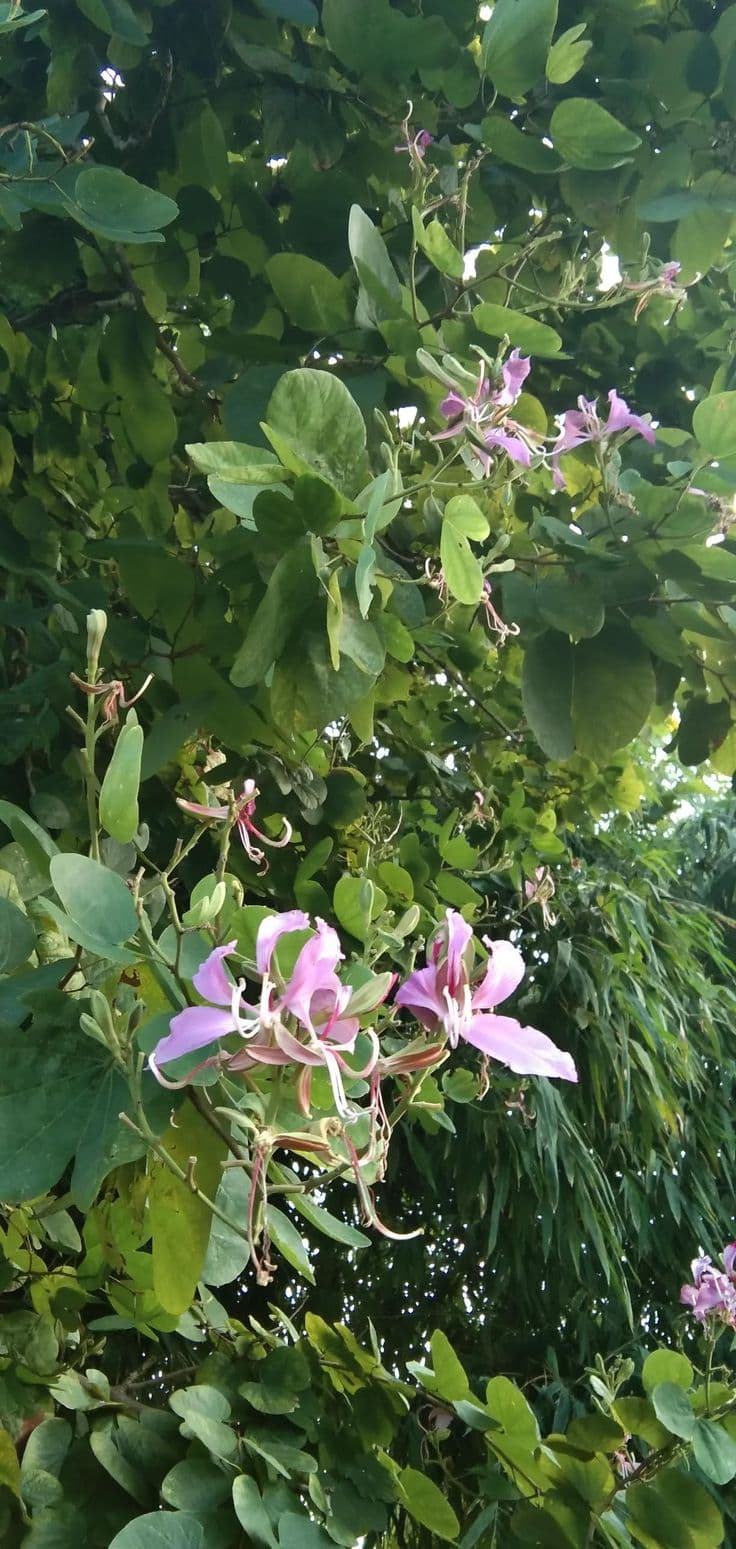
Morphology and field-identification notes as documented in our Dravyaguna library.
Kachnar is a deciduous tree of small to medium sized height up to 15mt with spreading crown and a short bole. Twigs of the tree are slender, light green, angled, hairy and brownish grey in color. The outer bark is scaly, smooth to slightly fissured and brownish grey in color and the inner bark is pinkish in color, fibrous and bitter. Leaves of the tree are bi-lobed with minute stipules, ovate to circular, 10-13 nerved and upper surface of leaves are glabrous. Leaves of the plant are just like Camel's hoof print. Flowers are reminiscent of showy orchids and have five slightly overlapped and irregular petals of yellow and pinkish purple color. The cluster of flowers is unbranched at the end of twigs. Scented flowers show its first appearance in late winters when the tree is bare of leaves. Fruit is dehiscent pod; strap- shaped contains various flat seeds and about 15- 30cm long.
The five-fold framework Ayurveda uses to describe a drug — Rasa, Guna, Vipaka, Veerya and its effect on the doshas.
Kashaya
The primary taste perceived on the tongue.
Laghu, Ruksha
Physical and energetic attributes of the dravya.
Katu
Taste that emerges after complete digestion.
Kapha Pitta Shamaka
Effect on Vata, Pitta and Kapha doshas.
Sheeta
Heating (ushna) or cooling (sheeta) energy.
Lekhaniya (scraping/anti-tumor) and Gandamala Nashana (lymph node swelling reduction), Grahi, Krimighna ,Kushthaghna,Vranahara
How modern science maps onto the classical understanding of this dravya.
Pharmacological Action
Anti-inflammatory, Antioxidant, and Immunomodulatory agent that helps reduce glandular swellings, clear lymphatic congestion, and regulate hormone synthesis.
Phytoconstituents
Stem Bark contains Hentriacontane, Octacosanol, Sitosterol, Lupeol, Galactopyranoside, Tannins.
Classical Ayurvedic indications drawn directly from the Dravyaguna tradition — paired with the preparations recommended in shastra.
01
It is used to maintain proper metabolism and functioning of the liver.
02
Bark juice of this herb is used to cure Amoebic dysentery, diarrhoea and other infections of the digestive system.
03
It is also used as a scrapping herb to reduce extra fat in obese people.
04
Kachnar is anti-diabetic herb for the sufferers of diabetes with good hypoglycemic activities.
Always consult a qualified Ayurvedic physician before using any herb therapeutically. Dose, anupana and Prakriti-specific suitability matter.
Yoga / Kalpana
Common Ayurvedic preparations where Kanchnar is a key ingredient.
Shastra Pramana
कञ्चनार गुग्गुलुर्नाम ग्रन्थिशोथ विनाशनः ।गलगण्डं अपाचीं च नाशयेत् नात्र संशयः ॥