Ishan Ayurvedic Medical College & Research Centre
Kaidarya

Kaidarya

KAIDARYA [CURRY LEAVES]

Medicinal Plant

Kaidarya

KAIDARYA [CURRY LEAVES]

KAIDARYA [CURRY LEAVES]

Scientific Name

Murraya koenigii

Family

Rutaceae

Common Name

Kaidarya

Kaidarya
Kaidarya medicinal plant
Botanical Description

About the Kaidarya Plant

Kaidrya is a small to medium-sized tree, typically reaching a height of 4 to 6 meters.

It has aromatic leaves that are pinnate with 11 to 21 leaflets, which are glossy green in color.

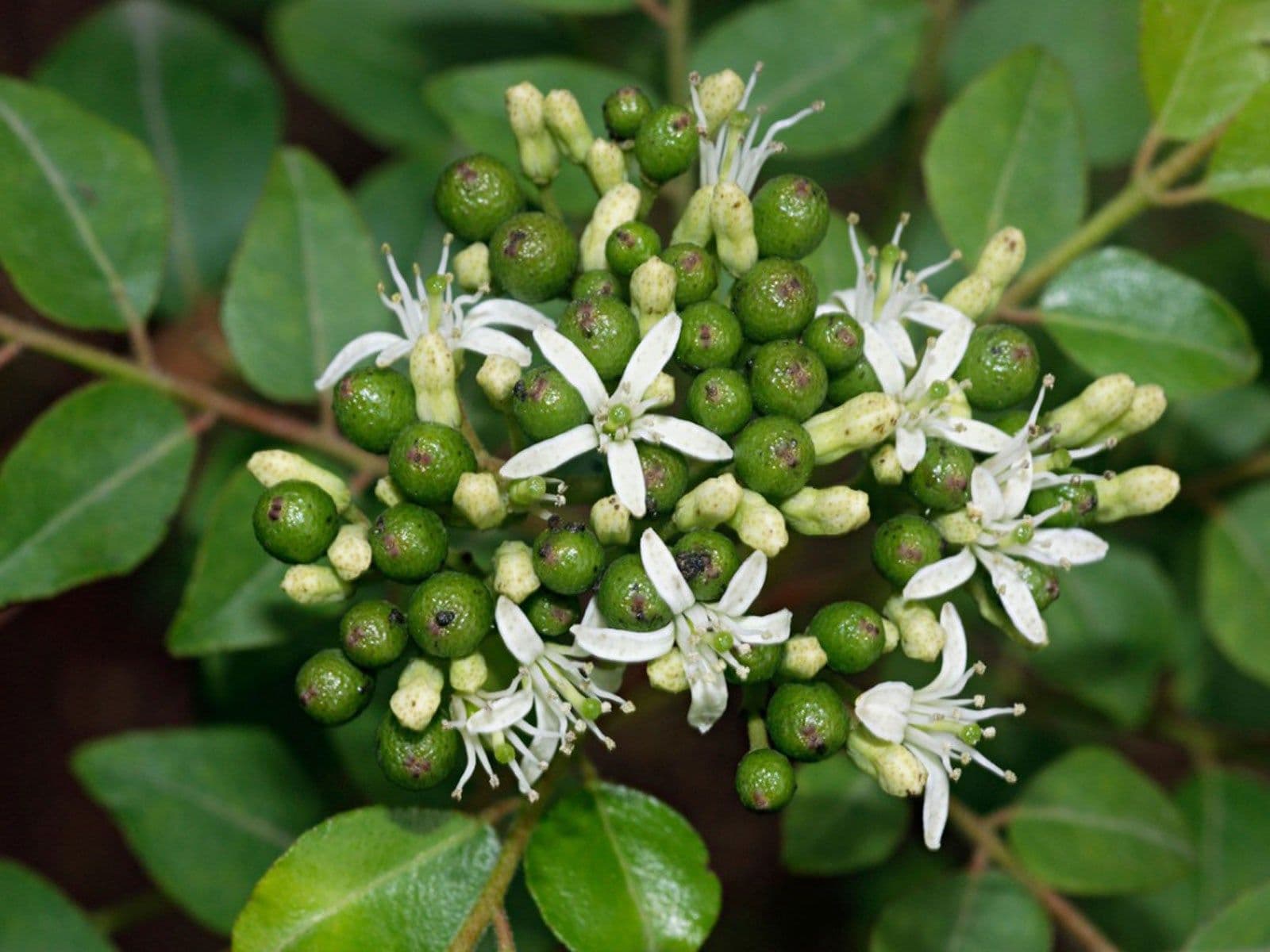
The tree produces small, white fragrant flowers that are hermaphrodite in nature.

The fruit of curry is a small, shiny, black, berry-like drupe containing a single seed.

Ayurvedic Properties

Rasa · Guna · Virya · Vipaka

curry leaves and other parts of the tree have several medicinal properties. They are known for their antioxidant, anti-inflammatory, and antimicrobial properties. The leaves have a unique sweet and spicy flavor, making them a popular ingredient in Indian cuisine. Vipak: Vipak is the post-digestive effect of a substance. It describes how a substance transforms after digestion and how it affects the body once it enters the bloodstream. There are three primary vipaks: sweet (madhura), sour (amla), and pungent (katu). These vipaks can have different effects on the body's tissues and doshas (the three fundamental energies in Ayurveda). Curry leaves, known as "kadi patta" in Hindi, are commonly used in Indian cooking and traditional medicine. They are often described as having a pungent and slightly bitter taste (katu and tikta rasa) with a heating virya. The vipak of curry leaves is typically considered to be pungent (katu vipak). In Ayurveda, curry leaves are believed to have various health benefits and are used to treat digestive issues, promote hair health, and more. However, it's important to note that the effects of curry leaves can vary depending on how they are used and the individual's constitution. Ayurvedic practitioners often customize recommendations based on a person's specific needs and imbalances. Before incorporating any herbs or foods into your diet for specific health purposes, it's advisable to consult with a qualified Ayurvedic practitioner or healthcare provider who can provide personalized guidance based on your unique constitution and health conditions

Rasa

Rasa

Rasa refers to the taste or flavor of a substance. In Ayurveda, there are six primary tastes: sweet, sour, salty, bitter, pungent, and astringent. Each taste is associated with specific qualities and effects on the body and mind

Rasa refers to the taste or flavor of a substance. In Ayurveda, there are six primary tastes: sweet, sour, salty, bitter, pungent, and astringent. Each taste is associated with specific qualities and effects on the body and mind

Guna

Guna

Guna refers to the qualities or attributes of a substance. In Ayurveda, there are twenty primary qualities, which are grouped into pairs of opposites, such as hot/cold, heavy/light, oily/dry, etc. These qualities help describe the nature of a particular food or herb

Guna refers to the qualities or attributes of a substance. In Ayurveda, there are twenty primary qualities, which are grouped into pairs of opposites, such as hot/cold, heavy/light, oily/dry, etc. These qualities help describe the nature of a particular food or herb

Virya

Virya

Virya refers to the potency or energy of a substance. It is often categorized as heating (ushna) or cooling (shita). The virya of a substance can influence its effect on the body and mind. For example, heating herbs might increase metabolic activity, while cooling herbs might have a calming effect

Virya refers to the potency or energy of a substance. It is often categorized as heating (ushna) or cooling (shita). The virya of a substance can influence its effect on the body and mind. For example, heating herbs might increase metabolic activity, while cooling herbs might have a calming effect

Chemical Composition

Phytochemical Constituents

curry leaves are rich in various bioactive compounds, including alkaloids, carbazole alkaloids (such as murrayanine and mahanine), flavonoids, glycosides, and essential oils.

The leaves are particularly known for their distinctive aroma and flavor, which is attributed to the presence of compounds like beta-caryophyllene, beta-pinene, and beta-myrcene.

Health Benefits

Therapeutic Benefits of Kaidarya

From classical Ayurvedic indications to modern phytotherapeutic insights — explore the spectrum of wellness benefits this herb has to offer.

01

Culinary

curry leaves are widely used as a seasoning and flavoring agent in Indian

02

Hair Care

The oil extracted from curry leaves is used in hair care products and is believed to promote hair growth and reduce dandruff.

03

Ayurvedic Medicine

curry leaves is used in Ayurvedic medicine formulations for various purposes, including detoxification and improving overall health.

04

Aromatic Uses

The fragrant leaves of curry leaves are sometimes used for their pleasant aroma in perfumes, oils, and scented products.

05

Rich in Antioxidants

Curry leaves are a good source of antioxidants, including vitamins A, C, and E, which help protect cells from oxidative stress and damage caused by free radicals.

06

Promotes Digestion

Curry leaves are believed to have digestive properties. They can help stimulate the secretion of digestive enzymes, aiding in better digestion and preventing indigestion.

07

Anti-Inflammatory

The compounds in curry leaves may have anti-inflammatory properties, which can help reduce inflammation in the body. This may be beneficial for conditions like arthritis.

08

Lowers Cholesterol

Some studies suggest that curry leaves may help reduce LDL (bad) cholesterol levels in the body, which can contribute to better heart health.

09

Blood Sugar Regulation

There is some evidence to suggest that curry leaves may help regulate blood sugar levels, which can be especially beneficial for individuals with diabetes.

10

Weight Management

The fiber content in curry leaves can help promote a feeling of fullness, potentially aiding in weight management by reducing overeating.

11

Immune Support

The vitamins and antioxidants in curry leaves may support a healthy immune system, helping the body fight off infections and illnesses.

12

Eye Health

Curry leaves contain vitamin A, which is essential for maintaining good vision and eye health.

13

Skin Health

The antioxidants in curry leaves may help keep the skin healthy by protecting it from damage caused by free radicals and environmental factor