01
Reduce Blood Sugar Levels
Several studies prove that the leaf, bark, and roots of the kadamba tree are efficient in reducing blood sugar levels.

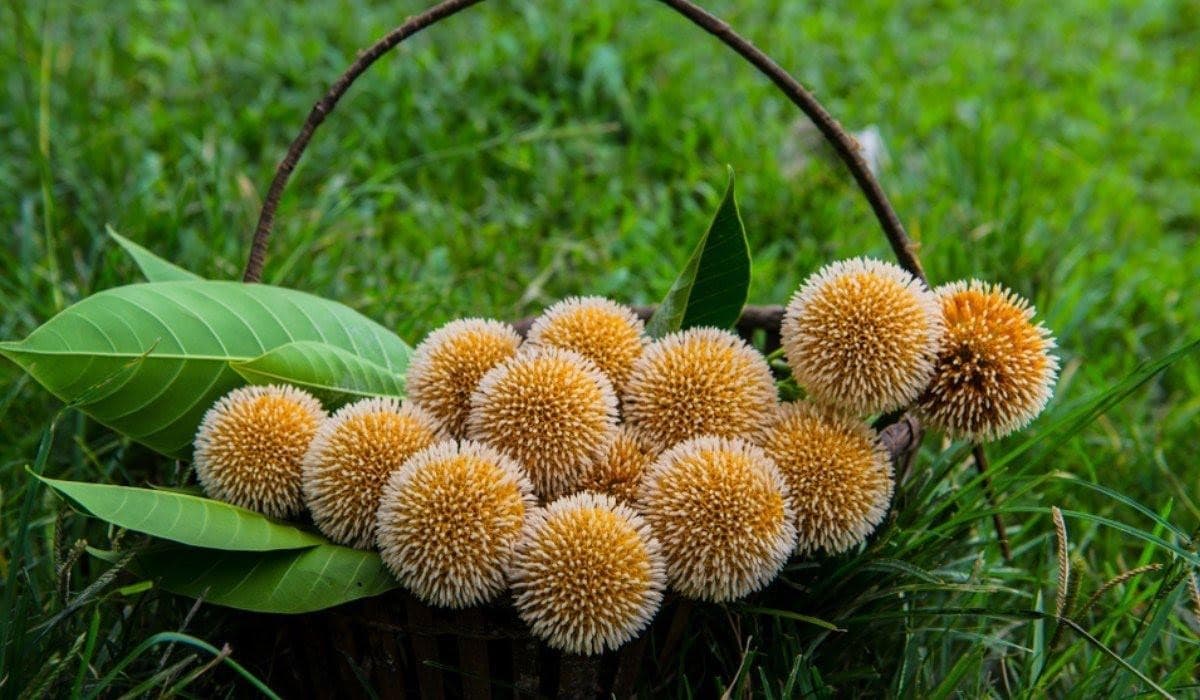
According to mythology our earth is made up of panchtatva (fire, earth, air, soil, and water) and is also found in humans, animals and plants.
According to mythology our earth is made up of panchtatva (fire, earth, air, soil, and water) and is also found in humans, animals and plants.
According to mythology our earth is made up of panchtatva (fire, earth, air, soil, and water) and is also found in humans, animals and plants. Anthocephalus Rubiaceae family that is commonly named in Hindi as Kadamba. Kadanb is helpful in curing various health issues like diabetes mellitus, diarrhoea, inflammation, debility, etc. in Sanskrit this herb is called neep, priyak, or vrittpushp and halipriya and in Hindi, it is commonly known as kadam, and in Gujarati, it is named as Kadamba
Scientific Name
Anthocephalus Indicus Family – Rubiaceae
Family
Rubiaceae
Common Name
Kadamba
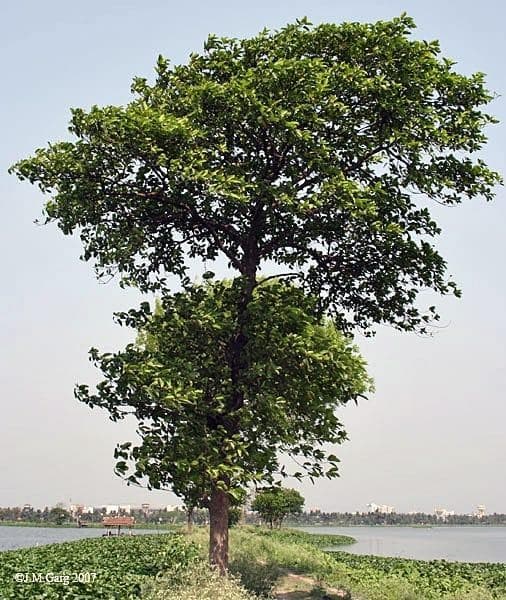
The ancient system of medicine, also called Ayurveda, is based on the ancient Vedas that is a totally natural and holistic approach to physical and mental health. Ayurved is one of the oldest systems that is used traditionally as a caring system and is very commonly used in our homes.
Ayurvedic science is deeply rooted in India and its neighbouring countries, with the help of this medicine we can treat various ailments like diabetes, diseases, and many more. In this article, we are going to discuss a very important medicinal plant that is characterised by the Rubiaceae family. Kadamb is one of the ornamental plants with religious significance and is one of the most frequently planted trees in the tropics. It is fragrant, sweet, and a little tangy in taste.
Kashaya (Astringent) Projyang (Part used) - Fruits and their bark are used (Reference-Raj Nighantu) Interpretation of Shloka - Kadamb is Tikta (Bitter). Kashaya (Astringent), Katu (Pungent) and is said to be good for the pacification of vata dosha. Its cold potency is helpful in Kapha-pitta vinashana (pacification), best as a pain reliever, and in the enhancement of Shukr dhatu. All three varieties of Kadamb are Katu (Pungent) so enhance complexion, good for alleviation of poisons, inflammation, and are a coolant. Kashaya (Astringent) and Tikta (Bitter) rasa is helpful in pacifying the pitta dosha and are best for increasing the sperm count and strengthening of the body. Interpretation of Shloka - This herb is Kashaya (astringent), coolant, good and helps in curing burning sensation, as well as poisoning.
Rasa (Taste)
Tikta (Bitter),
Tikta (Bitter),
Guna (Quality)
Ruksha (Dry)
Ruksha (Dry)
Veerya (Potency)
Sheeta (Cold)
Sheeta (Cold)
Vipaka (Post digestive effect)
Katu (Pungent)
Katu (Pungent)
Karma (Action)
Balances the Vata, Pitta, and Kapha dosha
Balances the Vata, Pitta, and Kapha dosha
| Sanskrit | Sanskrit Value | English | Value |
|---|---|---|---|
| Rasa (Taste) | Tikta (Bitter), | Rasa (Taste) | Tikta (Bitter), |
| Guna (Quality) | Ruksha (Dry) | Guna (Quality) | Ruksha (Dry) |
| Veerya (Potency) | Sheeta (Cold) | Veerya (Potency) | Sheeta (Cold) |
| Vipaka (Post digestive effect) | Katu (Pungent) | Vipaka (Post digestive effect) | Katu (Pungent) |
| Karma (Action) | Balances the Vata, Pitta, and Kapha dosha | Karma (Action) | Balances the Vata, Pitta, and Kapha dosha |
Classical Reference
कदम्बस्तिक्िक कटु कः कषायोः वािनाशनः। शीिऱः कफपित्िार्िनाशनः शुक्रवर्द्िनः । त्रिकदम्बाः कटु वर्णयाि पवषशोफहरा हहमाः । कषायास्तिक्िकपित्िघ्ना वीयव पृ र्द्कराः िरः ।। कदम्बतिु कषायः तयादरसे शीिो गुणेऽपि च। व्रणरोहणश्चापि कासदाहपवषािहः ।। (Reference - Dhanwantri Nighantu / Amradi Varga)
The dried bark of the tree contains-
Alkaloids
Steroids
Reducing sugars
Cinchoninic acid
Tannins (about 4.6%).
The ether-soluble alkaloid of the bark shows anti- bacterial activity.
From classical Ayurvedic indications to modern phytotherapeutic insights — explore the spectrum of wellness benefits this herb has to offer.
01
Several studies prove that the leaf, bark, and roots of the kadamba tree are efficient in reducing blood sugar levels.
02
This tree has been known for its miraculous healing properties since ancient times. Several studies using these plant extracts show that the wound contraction was definitely stimulated with increased tensile strength.
03
In India, Kadamba trees have been used as Ayurvedic medicine to provide relief from any kind of pain and inflammation. To provide relief to the patient, the leaves are tied to the affected parts using a cloth.
04
In ancient times, a paste was made using the extracts of this tree as an antimicrobial agent to treat skin diseases.
05
Kadamba tree contains chlorogenic acid that is proven to have antihepatotoxic nature. Through several studies conducted on rats, it is proven that these extracts of the kadamba tree are extremely beneficial for the improvement of liver health.