Rasa (Taste)
Kashaya, Madhura
The primary taste perceived on the tongue.

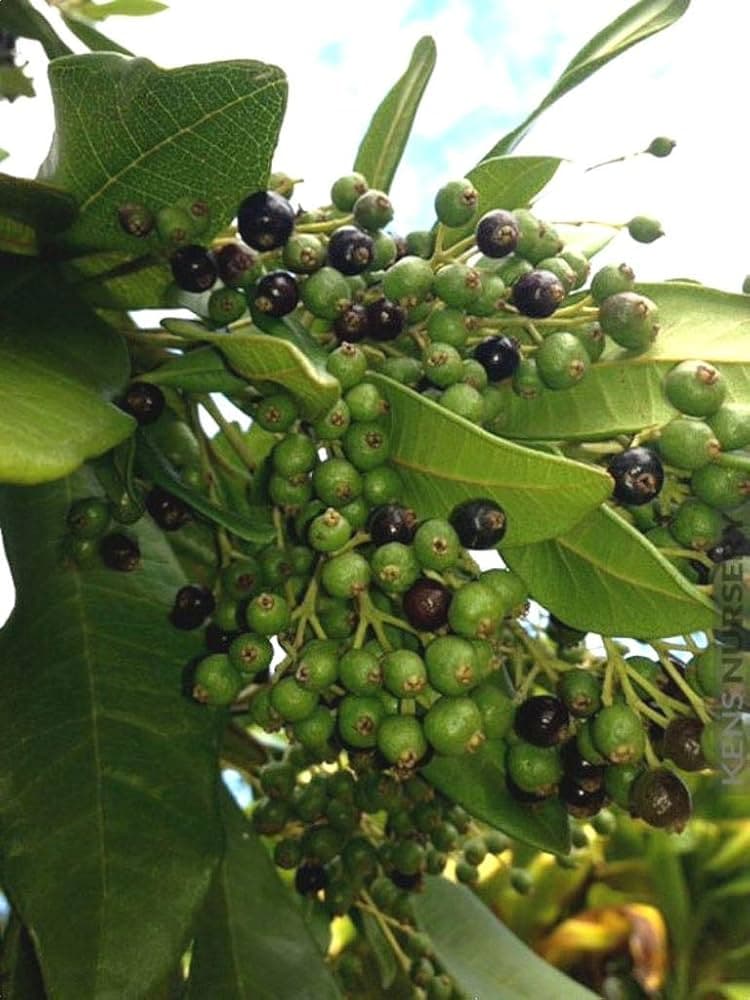
Cubeba is an annual wood-climbing plant that is 5-15 metres high.
Piper cubeba · Piperaceae
Cubeba is an annual wood-climbing plant that is 5-15 metres high.
Scientific Name
Piper cubeba
Family
Piperaceae
Hindi Name
Sheetal chini
Used Part
Beej (seeds), Phala (fruit ).
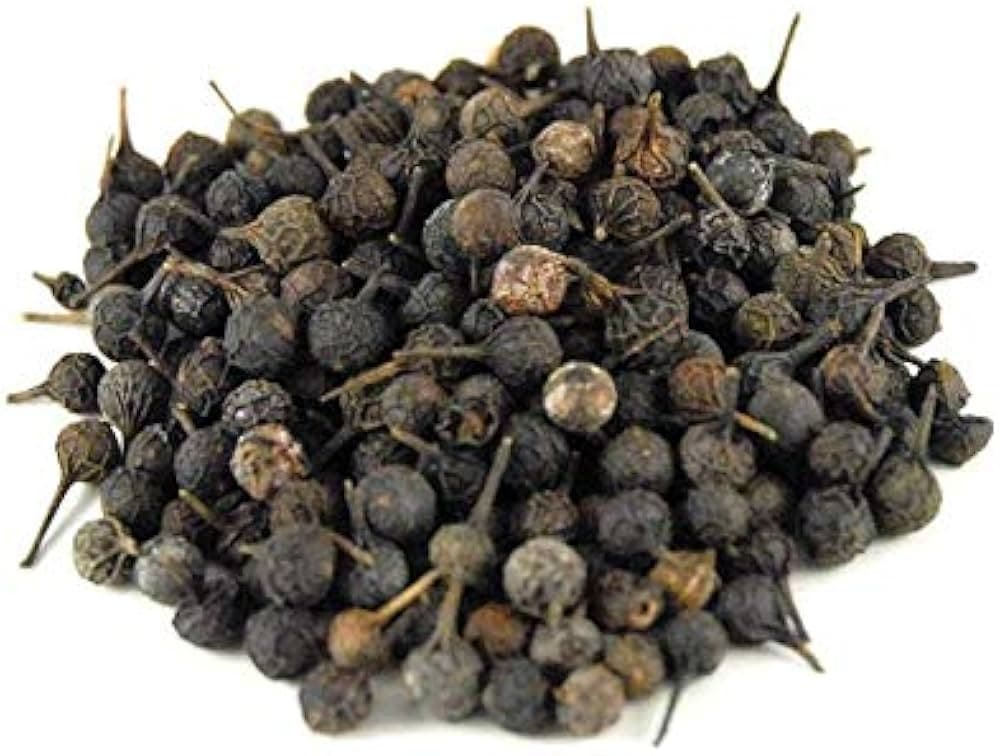
Morphology and field-identification notes as documented in our Dravyaguna library.
Cubeba is an annual wood-climbing plant that is 5-15 metres high. The climbing branches have oval-shaped leaves, small flowers and greyish brown coloured fruits. The fruit is spicy with a bitter taste and strong aromatic smell.
The five-fold framework Ayurveda uses to describe a drug — Rasa, Guna, Vipaka, Veerya and its effect on the doshas.
Kashaya, Madhura
The primary taste perceived on the tongue.
Laghu, Ruksha
Physical and energetic attributes of the dravya.
Katu
Taste that emerges after complete digestion.
Vata Hara, Kapha Prakopak
Effect on Vata, Pitta and Kapha doshas.
Ushna
Heating (ushna) or cooling (sheeta) energy.
Daurgandhya hara, Krimihara, Hridayi.
How modern science maps onto the classical understanding of this dravya.
Pharmacological Action
Anti microbial, Anti septic, Anti inflammatory, Carminative.
Phytoconstituents
Monoterpines, Benzoic acid, Piperine, Sesquiterpenes.
Classical Ayurvedic indications drawn directly from the Dravyaguna tradition — paired with the preparations recommended in shastra.
01
The paste of the fruits of Kankola is made into paste and applied over area affected with swelling and pain.
02
The powder of the fruit is mixed with honey and applied over mouth ulcer and inflammation of the gums.
03
The powder of the fruit of Kankola is mixed with honey and consumed in a dose of 4 to 5 g to treat cough and sinusitis. 4. 3-5 drops of oil extracted from the plant of Kankola is mixed with a glass of warm water and consumed to treat indigestion and improve the appetite.
Always consult a qualified Ayurvedic physician before using any herb therapeutically. Dose, anupana and Prakriti-specific suitability matter.
Yoga / Kalpana
Common Ayurvedic preparations where Kababchini is a key ingredient.
Shastra Pramana
कङ्कोलं कटुतिक्तोष्णं वक्त्रवैरस्यनाशनम् ।मुखजाड्यहरं रुच्यं वातश्लेष्महरं परम् ॥