Rasa (Taste)
Tikta, Kashaya
The primary taste perceived on the tongue.

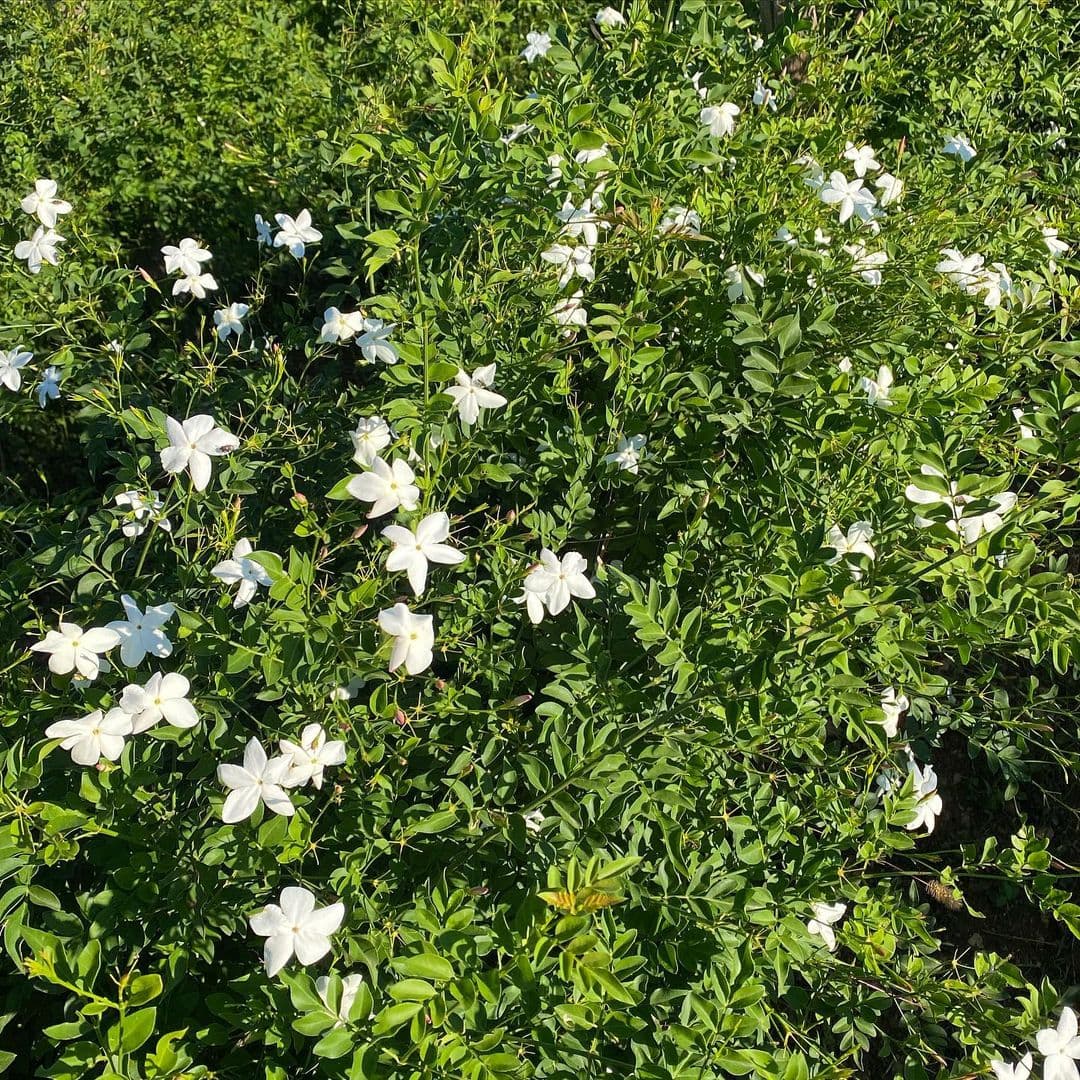
A large, nearly glabrous, scrambling sub-erect twining evergreen shrub reaching 10–15 meters in height.
Jasminum grandiflorum Linn · Oleaceae
A large, nearly glabrous, scrambling sub-erect twining evergreen shrub reaching 10–15 meters in height.
Scientific Name
Jasminum grandiflorum Linn
Family
Oleaceae
Hindi Name
Chameli
Used Part
Leaf (Patra), Root (Mula), Flower (Pushpa)
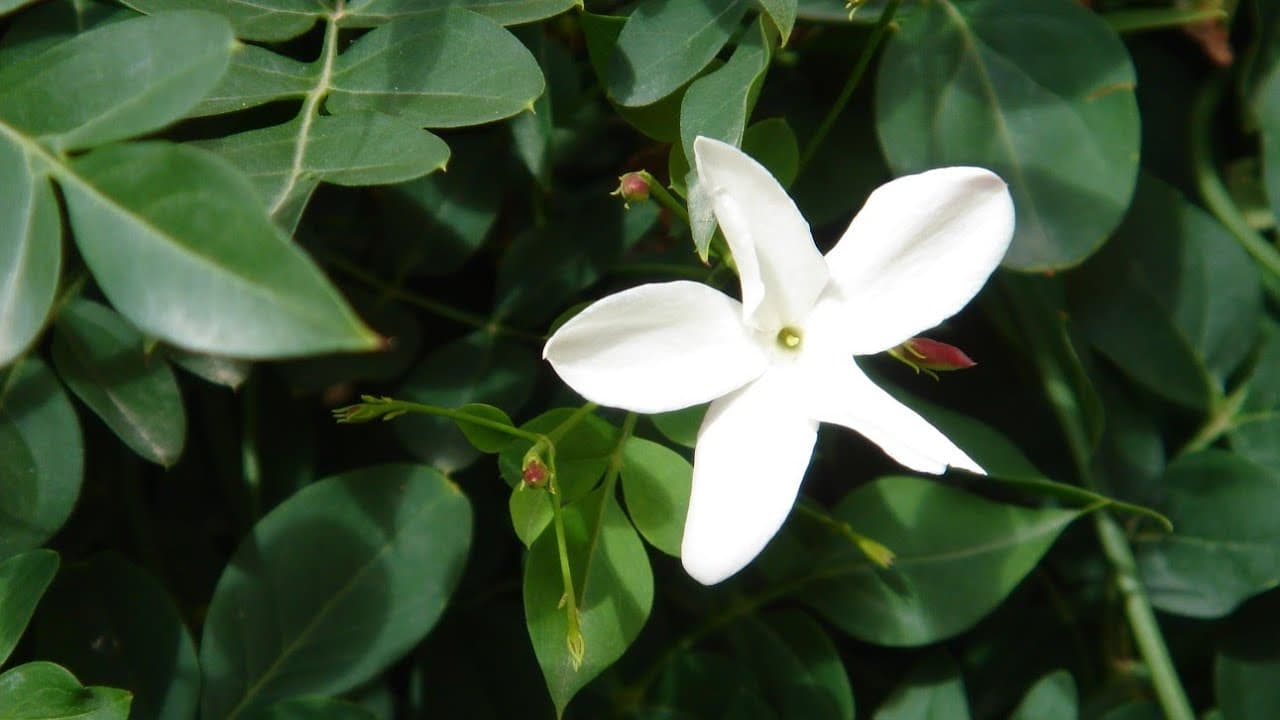
Morphology and field-identification notes as documented in our Dravyaguna library.
A large, nearly glabrous, scrambling sub-erect twining evergreen shrub reaching 10–15 meters in height. Stem: Slender, woody, and climbing. Leaves: Opposite, imparipinnately compound with 3 to 7 leaflets; terminal leaflets typically larger and ovate-lanceolate. Flowers: Very fragrant, white tinged with pink on the outside, in lax terminal or axillary cymes. Fruit: Elliptic, globose berries turning black when ripe. Distribution: Cultivated throughout India, especially in Tamil Nadu, Karnataka, and West Bengal.
The five-fold framework Ayurveda uses to describe a drug — Rasa, Guna, Vipaka, Veerya and its effect on the doshas.
Tikta, Kashaya
The primary taste perceived on the tongue.
Laghu, Snigdha, Mridu
Physical and energetic attributes of the dravya.
Katu
Taste that emerges after complete digestion.
Tridosha shamaka
Effect on Vata, Pitta and Kapha doshas.
Ushna
Heating (ushna) or cooling (sheeta) energy.
Mukharogahara, Netrya, Vishaghna, Kusthaghna, Vrananasaka, Varnya.
How modern science maps onto the classical understanding of this dravya.
Pharmacological Action
Anti-inflammatory, Analgesic, Antimicrobial, Antioxidant, Wound-healing, and Hepatoprotective properties.
Phytoconstituents
Essential oils (benzyl acetate, linalool, jasmon), alkaloids, flavonoids, secoiridoid glucosides (oleuropein), and saponins.
Classical Ayurvedic indications drawn directly from the Dravyaguna tradition — paired with the preparations recommended in shastra.
01
Mukhapaaka (Stomatitis): Chewing fresh leaves of Jati is effective for mouth ulcers.
02
Vrana (Wounds): External application of leaf decoction or Jatyadi oil for cleansing and healing.
03
Vyanga (Melasma): Paste of Jati leaves and Jatiphala applied for skin complexion.
Always consult a qualified Ayurvedic physician before using any herb therapeutically. Dose, anupana and Prakriti-specific suitability matter.
Yoga / Kalpana
Common Ayurvedic preparations where Jati is a key ingredient.
Shastra Pramana
जातिर्जाती च सुमना मालती राजपुत्रिका । चेतिका हृद्यगंधा च सा पीता स्वर्णजातिका ॥ जातीयुगं तिक्तमुष्णं तुवरं लघु दोषजित् । शिरोऽविमुखदन्तात्र्त्तिविषकुष्ठव्रणास्त्रजित् ॥' (भा. प्र.)