01
Liver disease

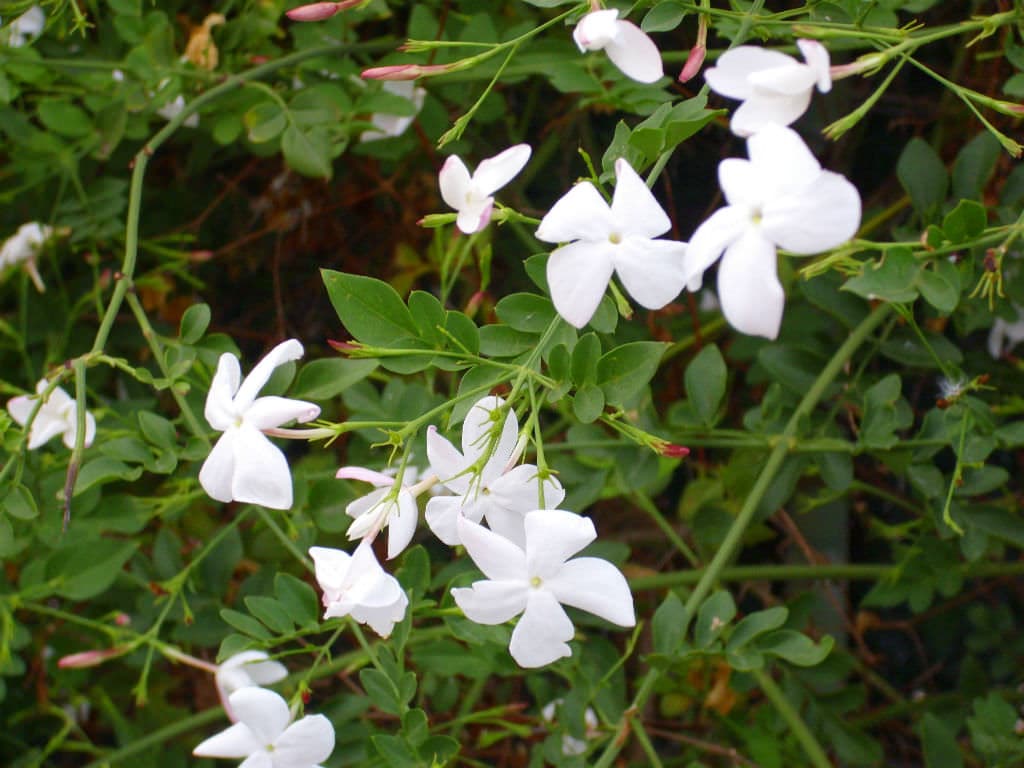
The flowers are borne in cymose clusters with a minimum of three flowers, though they can also be solitary on the ends of branchlets.
The flowers are borne in cymose clusters with a minimum of three flowers, though they can also be solitary on the ends of branchlets.
The flowers are borne in cymose clusters with a minimum of three flowers, though they can also be solitary on the ends of branchlets. Each flower has about four to nine petals, two locules, and one to four ovules. They have two stamens with very short filaments. The bracts are linear or ovate.
Scientific Name
Jasminum officinale
Family
Oleaceae
Common Name
Chameli
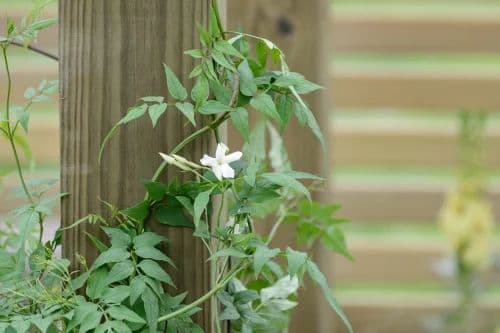
The white, yellow, or rarely pink flowers are tubular with a flaring, lobed, pinwheel-like form; some double-flowered varieties have been developed. The leaves can be evergreen or deciduous and usually are composed of two or more leaflets, although some species have simple leaves.
Jasmine is a climbing shrub that can grow up to 8 metres tall. The leaves are made up of 7 to 9 smaller 'leaflets', which are long, pointed and oval-shaped. The flowers are white or very pale pink, with five petals and strongly scented. The fruits are small black berries.
Rasa
Tikta, Kashaya
Tikta, Kashaya
Guna
Laghu, Snigda
Laghu, Snigda
Veerya
Ushna
Ushna
Vipaka
Katu
Katu
Karma-Tridosha
hara
hara
| Sanskrit | Sanskrit Value | English | Value |
|---|---|---|---|
| Rasa | Tikta, Kashaya | Rasa | Tikta, Kashaya |
| Guna | Laghu, Snigda | Guna | Laghu, Snigda |
| Veerya | Ushna | Veerya | Ushna |
| Vipaka | Katu | Vipaka | Katu |
| Karma-Tridosha | hara | Karma-Tridosha | hara |
The phytochemical analysis of Jasminumofficinale indicated the presence of alkaloids, coumarins, flavonoids, tannins, terpenoids, glycosides, emodine, leucoanthcyanins, steroids, anthocyanins, phlobatinins, essential oil and saponins. Pharmacological studies revealed that the plant exerted antimicrobial, insecticidal, antioxidant, antifertility and dermatological effects. This review described and discussed the chemical constituents and pharmacological effects of Jasminumofficinale.
From classical Ayurvedic indications to modern phytotherapeutic insights — explore the spectrum of wellness benefits this herb has to offer.
01
Liver disease
02
Jasmine is beneficial for liver diseases like hepatitis. It contains oleuropein that has antiviral properties. It inhibits the multiplication of Hepatitis B virus. It might also manage the pain caused by liver scarring (cirrhosis).
03
Diarrhoea
04
Jasmine might manage stomach pain related to diarrhoea due to its analgesic and antispasmodic properties. Jasmine decoction helps in relaxing the smooth muscles in the intestine and reduces stomach pain and cramps.
05
depressant
06
Jasmine is beneficial for causing relaxation due to its antidepressant and sedative properties. It contains certain constituents which give a soothing effect and helps to calm down the brain. It also has an anxiolytic property which slows down the brain activity and provides relief from anxiety .
07
Ahrodisiac
08
It increases sexual vigour and is helpful in increasing fertility and mobility of reproductive cells & health of organs.
09
Skin benefits
10
The polyphenols destroy free radicals which cause wrinkles and skin damage. They also help even out skin pigmentation and reduce fine lines. 2-3 cups per day is just the perfect amount to help you embrace a radiant glow.