Rasa (Taste)
Kashaya, Madhura
The primary taste perceived on the tongue.

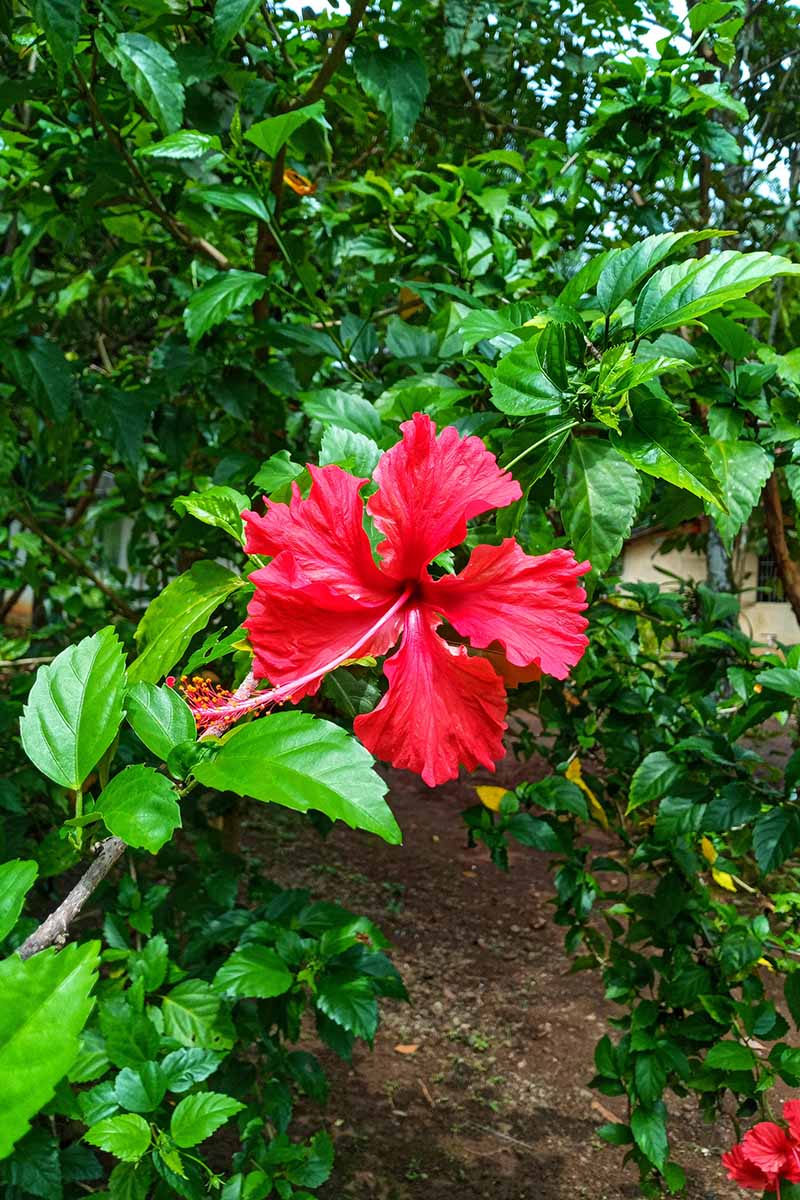
Japa is a native plant of China, but grown as an ornamental plant throughout India.It is a perennial shrub, grows up to 8ft, tap root and banched.
Hibiscus rosa-sinesis linn · Malvaceae
Japa is a native plant of China, but grown as an ornamental plant throughout India.It is a perennial shrub, grows up to 8ft, tap root and banched.
Scientific Name
Hibiscus rosa-sinesis linn
Family
Malvaceae
Hindi Name
Gudahal
Used Part
Pushpa( flower) and Patra (leaves)
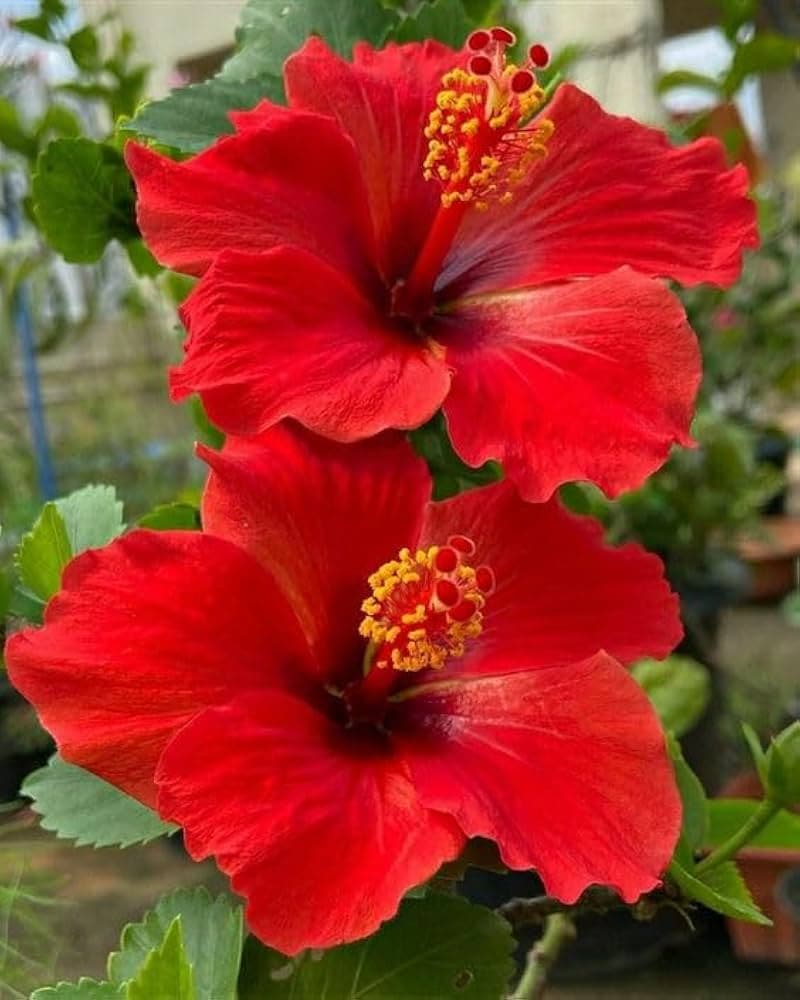
Morphology and field-identification notes as documented in our Dravyaguna library.
Japa is a native plant of China, but grown as an ornamental plant throughout India.It is a perennial shrub, grows up to 8ft, tap root and banched. Leaves are simple, alternate, large, broad, palmately veined, petiolate, stipulate, oval shaped, serrate margin and acute tip. Inflorescence is solitary terminal or axillary cyme. Flowers are showy, sattered red coloured.
The five-fold framework Ayurveda uses to describe a drug — Rasa, Guna, Vipaka, Veerya and its effect on the doshas.
Kashaya, Madhura
The primary taste perceived on the tongue.
Laghu, Rooksha
Physical and energetic attributes of the dravya.
Katu
Taste that emerges after complete digestion.
Pittakapha Shamaka
Effect on Vata, Pitta and Kapha doshas.
Sheeta
Heating (ushna) or cooling (sheeta) energy.
Keshya, Sangrahaka, Hridya, Shonitasthapana, Garbhanirodhak, Mutrasangrahaniya
How modern science maps onto the classical understanding of this dravya.
Pharmacological Action
Antifertility, Antiinflammatory, Analgesic, Spasmolytic, Hypotensive, Antipyretic, Antispasmodic
Phytoconstituents
Taraxeryl acetate, Beta- sistosterol, Campestrol, Flavonoids, Flavonoid glycosides, Hibiscetin, Alkanes, Cyanin and Cynidine glycosides are present in leaves, stems and flower.
Classical Ayurvedic indications drawn directly from the Dravyaguna tradition — paired with the preparations recommended in shastra.
01
Paste of, fruit of Amalaki and flowers of Japa has to be applied over scalp everyday to treat Palitya (premature greying of hairs) .
02
In case of amenorrhea one should consume the paste prepared from flowers of Japa, leaves of Jyotishmatia and Kanji.
Always consult a qualified Ayurvedic physician before using any herb therapeutically. Dose, anupana and Prakriti-specific suitability matter.
Yoga / Kalpana
Common Ayurvedic preparations where Japa is a key ingredient.
Shastra Pramana
जया संग्राहिणी केश्या हिसन्ध्या कफवातहजत् । (भा.प्र. पुष्प वर्गः 58) हिसन्ध्या शीतला हतक्त