
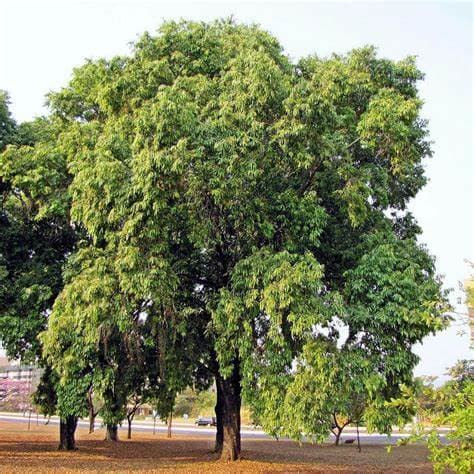
Jamun
Jamun (Syzygium cumini):
Jamun
Jamun (Syzygium cumini):
Jamun (Syzygium cumini):
Scientific Name
Syzygium cumini
Family
Myrtaceae
Common Name
Jamun
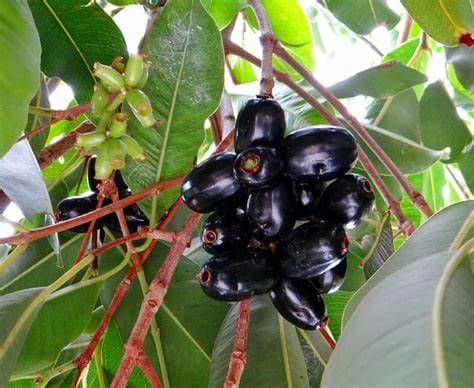
About the Jamun Plant
Jamun, also known as Indian blackberry or Eugenia jambolana, is a tropical tree native to India and Southeast Asia. It is an evergreen tree with dark green, glossy leaves and small, fragrant white flowers. The fruit of the Jamun tree is a dark purple to black, oblong berry with a sweet and slightly astringent taste.
Rasa · Guna · Virya · Vipaka
1. Antioxidant: Jamun is known for its high antioxidant content, which can help neutralize harmful free radicals in the body. 2. Anti-diabetic: Jamun is traditionally used in Ayurvedic medicine to help regulate blood sugar levels and manage diabetes. 3. Anti-inflammatory: The fruit has anti-inflammatory properties and can help reduce inflammation and associated symptoms. 4. Astringent: Jamun has astringent properties that can be beneficial for the digestive system and oral health. 5. Nutrient-rich: The fruit is a good source of vitamins, particularly vitamin C, as well as minerals like potassium and iron. Five Uses: 1. Dietary Consumption: Jamun fruits are consumed fresh or used to make jams, jellies, juices, and desserts. 2. Traditional Medicine: In Ayurveda, Jamun is used to manage diabetes, diarrhea, and various digestive disorders. 3. Beauty and Skincare: The astringent properties of Jamun can be used in natural skincare products for its toning and tightening effects. 4. Woodworking: The wood of the Jamun tree is used in woodworking and making furniture. 5. Landscaping: Jamun trees are often planted for their attractive foliage and fruit production in gardens and parks.
Phytochemical Constituents
Jamun fruits contain various chemical constituents, including anthocyanins, tannins, flavonoids, and vitamins. The dark color of the fruit is due to the presence of anthocyanins, particularly cyanidin-3-glucoside.