Rasa (Taste)
Madhura
The primary taste perceived on the tongue.

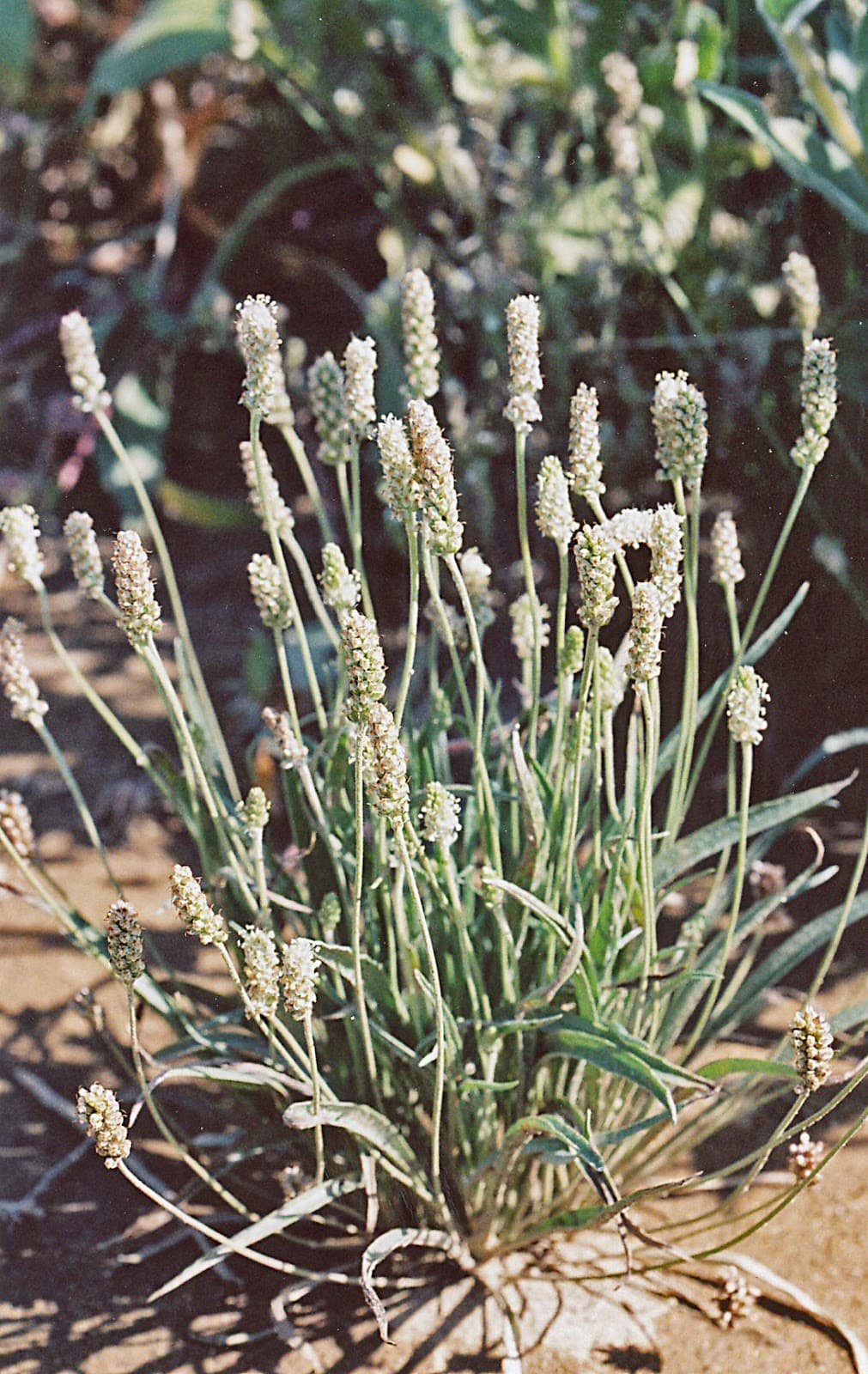
It is a herb growing to a height of 1 feet all over India.
Plantago ovate · Plantaginaceae
It is a herb growing to a height of 1 feet all over India.
Scientific Name
Plantago ovate
Family
Plantaginaceae
Hindi Name
Isabgol
Used Part
Beeja, Patra, Twaka.
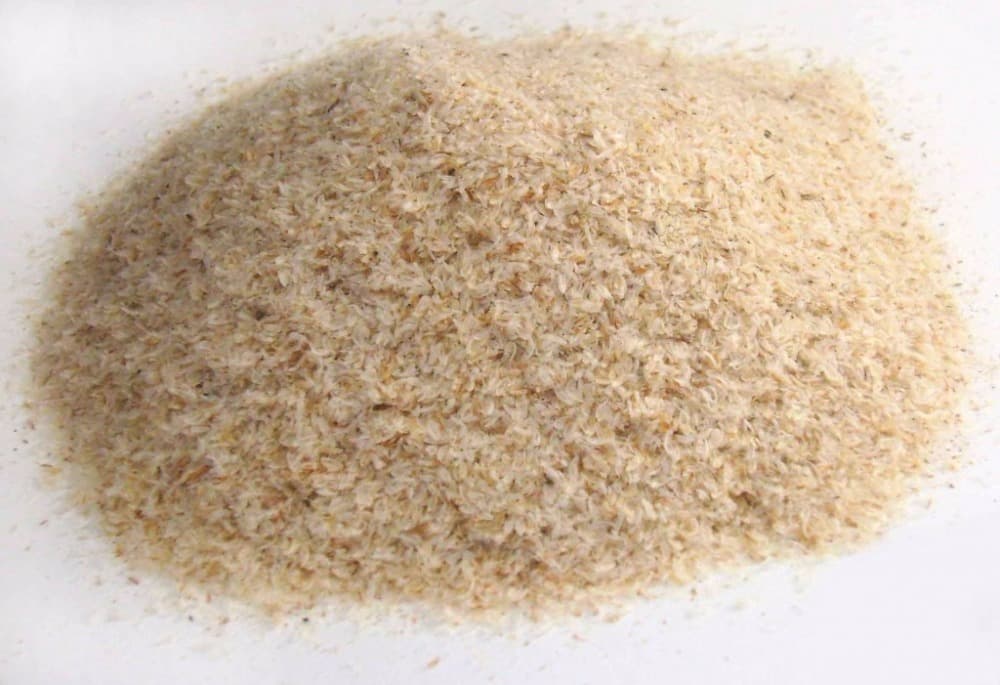
Morphology and field-identification notes as documented in our Dravyaguna library.
It is a herb growing to a height of 1 feet all over India. It is cultivated in some parts of North West India like Rajasthan and Punjab. The leaves are 4-8 inch long. The flower stalk is oval shaped. The fruits are little oval in shape and are about 7-8 mm long. The seeds inside the fruits are of ear shaped and white in color. The seeds are mucilaginous in nature. Inflorescence of isabgol is long and its length may be 1.5 - 4.0 cm, which is known as awn or bristle. In Isabgol, the female flower matures early than the male flower, hence mainly cross pollination takes place. Flowers are petioleless, non-leafy small, bisexual, incomplete and irregular.
The five-fold framework Ayurveda uses to describe a drug — Rasa, Guna, Vipaka, Veerya and its effect on the doshas.
Madhura
The primary taste perceived on the tongue.
Picchila, Guru, Snigdha
Physical and energetic attributes of the dravya.
Madhura
Taste that emerges after complete digestion.
Vata Pitta Shamaka
Effect on Vata, Pitta and Kapha doshas.
Sheeta
Heating (ushna) or cooling (sheeta) energy.
Mridu Rechaka Anulomana Grahi Picchila Shothahara Mutrala
How modern science maps onto the classical understanding of this dravya.
Pharmacological Action
Bulk-forming laxative Stool softener Antidiarrhoeal Hypolipidemic Antidiabetic Prebiotic action
Phytoconstituents
Amino Acids including Valine, Alanine, Glutamic acid, Glycine, Cystine, Lysine, Leucine and Tyrosine, Xylose, Arabinose,Fatty acids, Mainlylinoleic.
Classical Ayurvedic indications drawn directly from the Dravyaguna tradition — paired with the preparations recommended in shastra.
01
Constipation: • Isabgol contributes to the ease of passage of the stools as it adds unfermented gel, which functions as an emollient and lubricant agent. • It significantly increased moisture in stools and both dry and wet stool weight in patients with gastrointestinal disease.
02
Dealing with Bowel Diseases: • Supplementing Isabgol may help in the management of Inflammatory bowel disease, Irritable bowel diseases and Ulcerative Colitis due to its anti-constipation activity. • Anaerobic fermentation of Isabgol fibre in the intestines results in a large production of metabolites, which have antioxidant and anti-inflammatory properties.
03
Cholesterol: Isabgol fibres (soluble and insoluble) have significance in reducing total low-density lipoprotein and serum cholesterol. Thus, it helps reduce the risk of heart diseases.
04
Type II Diabetes: Studies on a population with type II diabetes have shown that isabgol husk effectively improved glycaemic and lipid control after meals.
Always consult a qualified Ayurvedic physician before using any herb therapeutically. Dose, anupana and Prakriti-specific suitability matter.
Yoga / Kalpana
Common Ayurvedic preparations where Isabgol is a key ingredient.
Shastra Pramana
ईषद्गोलंपरंवृष्यंमधुरंग्राहिशीतलम्। पिच्छिलंतुवरंकिञ्चित्वातकृत्कफपित्तहत्॥ रक्तातिसारास्रपित्तंनाशयेदितिकीर्तितम्॥ ( वैह्यामृतम् )