Rasa (Taste)
Katu ,Tikta
The primary taste perceived on the tongue.

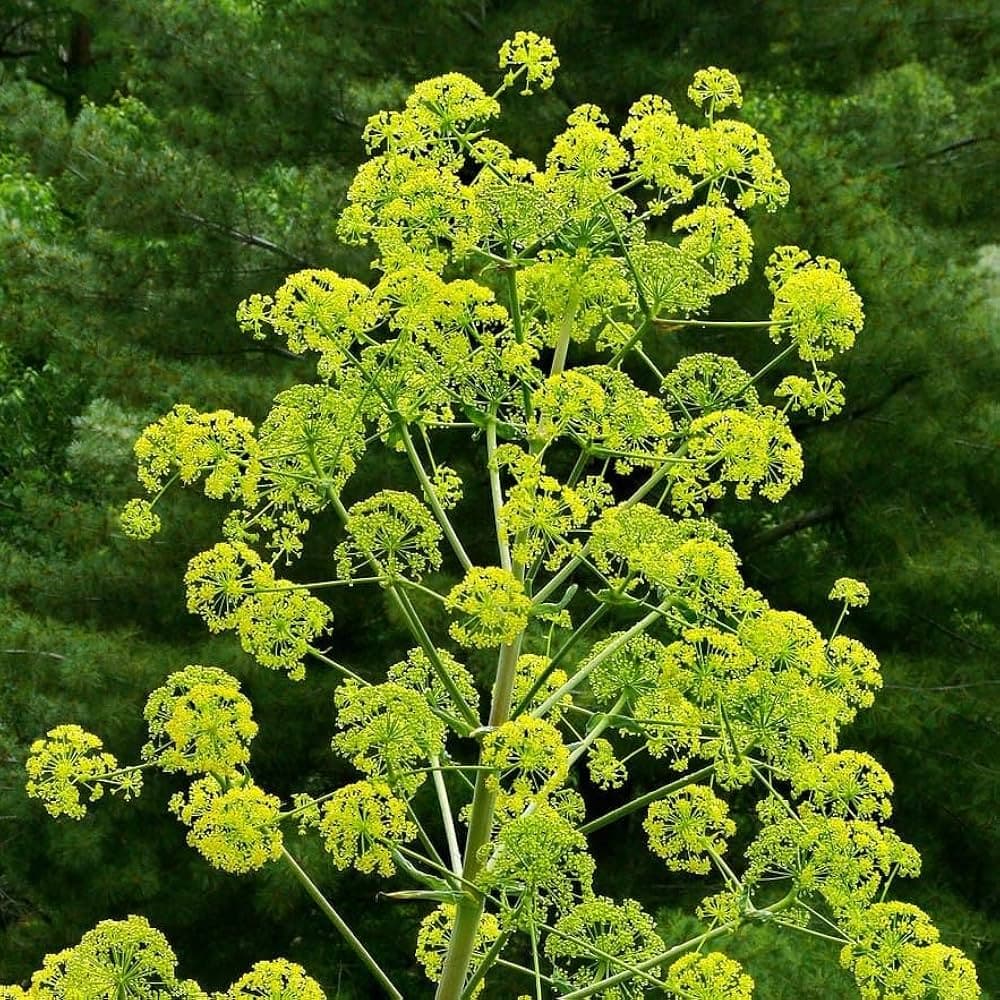
Hingu is cultivated in Afghanistan and Iran.
Ferula foetida Linn. · Umbelliferae
Hingu is cultivated in Afghanistan and Iran.
Scientific Name
Ferula foetida Linn.
Family
Umbelliferae
Hindi Name
Hing
Used Part
Niryasa ( Exudate)
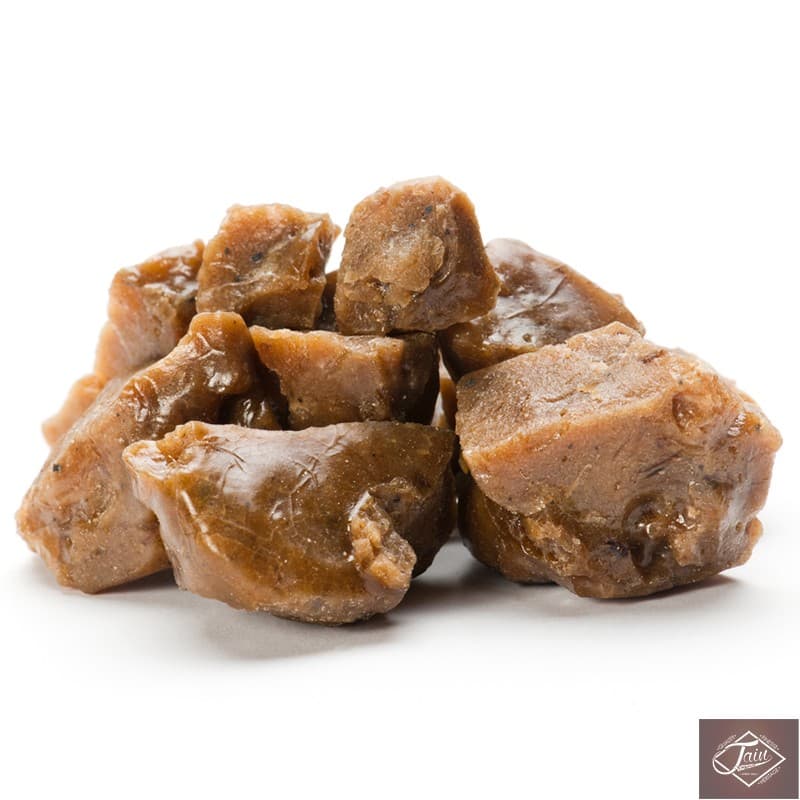
Morphology and field-identification notes as documented in our Dravyaguna library.
Hingu is cultivated in Afghanistan and Iran. In India, it is growing in Punjab and Kashmir. Habit – perennial herb, root – Fusiform, stem – 5 to 8 ft. tall. Leaves – Pubescent when young, lower leaves are 30 to 60 cm long, ovate shaped. Cauline sheaths are large, from which inflorescence comes out. Secondary & tertiary pinnate are decurrent, entire or very irregularly crenate-serrate. Inflorescence – Terminal compound umbel. Fruit – 8x5 mm, having vittae, reddish-brown in colour.
The five-fold framework Ayurveda uses to describe a drug — Rasa, Guna, Vipaka, Veerya and its effect on the doshas.
Katu ,Tikta
The primary taste perceived on the tongue.
Laghu, Tikshana
Physical and energetic attributes of the dravya.
Katu
Taste that emerges after complete digestion.
Kapha Vata shamaka
Effect on Vata, Pitta and Kapha doshas.
Ushna
Heating (ushna) or cooling (sheeta) energy.
Pachana, Ruchya, Krimighna, Shulahara, HrIdya, Dipana, Kasahara, Shwasahara, Chakshushya.
How modern science maps onto the classical understanding of this dravya.
Pharmacological Action
Carminative, Nervine stimulant, Antimicrobial, Antiepileptic, Anthelmintic, Contraceptive, Diaphoretic
Phytoconstituents
Asafoetida contains resin (40 to 65%), gum (20 to 25%) and volatile oil (4 to 20%). Resin mainly contains asaresinotanol. Where as oil contains butyl propanyl disulphide, disulphides, trisulphides, pinene and terpenes.
Classical Ayurvedic indications drawn directly from the Dravyaguna tradition — paired with the preparations recommended in shastra.
01
If a person falls unconscious after the consumption of alcohol (Madatya) then Sauvarcala salt should be mixed with Hingu & Marica and given with wine and sour gruel till the person regains consciousness.
02
In cases on Unmada ( Insanity) Ghee processed with Hingu niryasa , leaves of Hingu , Kayastha and Vayastha may be used. Other wise ghee processed with Vayastha , Hingu and Coraka is also very useful.
03
Hingu is the important ingredient of Hiñgvadi taila which is used in Karna shula (Ear ache).
04
In case of quartan fever, Hingu should be mixed with Puran Ghrit and given as nasya.
05
In case of Vataj gulma , one should drink a mixture of Hingu, Matulung juice, Pomegranate juice, mixed along with Rock salt and Vid salt.
Always consult a qualified Ayurvedic physician before using any herb therapeutically. Dose, anupana and Prakriti-specific suitability matter.
Yoga / Kalpana
Common Ayurvedic preparations where Hingu is a key ingredient.
Shastra Pramana
सहस्रवेधि जतुकं बाह्लीकं हिङ्गु रामठम् ।हिङ्गूष्णं पाचनं रुच्यं तीक्ष्णं वातवलासनुत् । शूलगुल्मोदरानाहकृमिघ्न पित्तवर्द्धनम् ॥(भा.प्र. हरीतक्यादि वर्ग १००-१०१)