Rasa (Taste)
Madhur, Tikta, Kashaya
The primary taste perceived on the tongue.

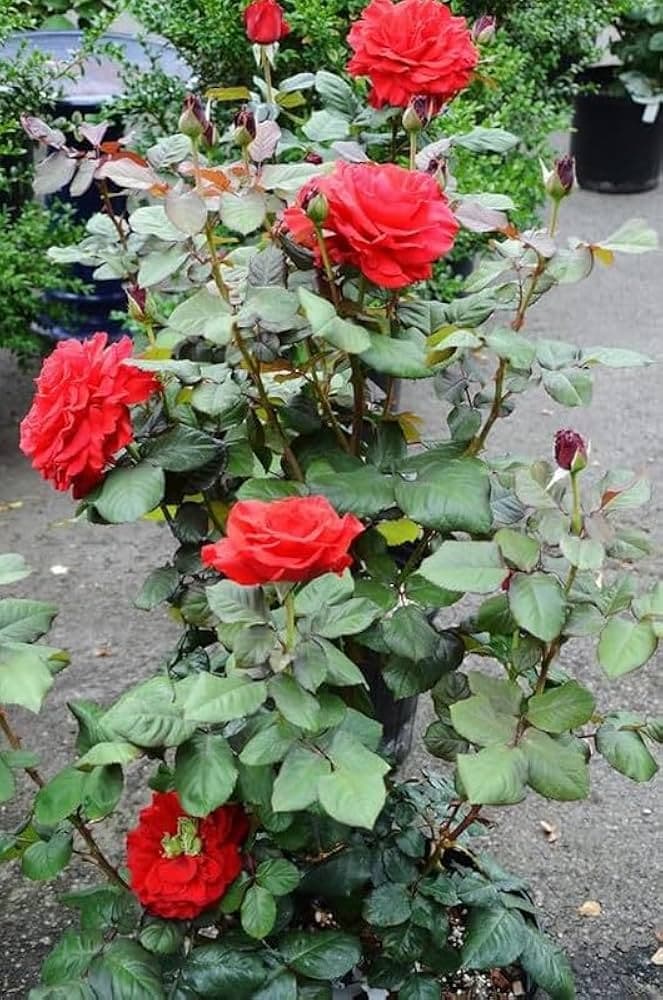
It is found growing in gardens and around places.
Rosa centifolia Linn. · Rosaceae
It is found growing in gardens and around places.
Scientific Name
Rosa centifolia Linn.
Family
Rosaceae
Hindi Name
Gulab
Used Part
Fresh or dried flower petals
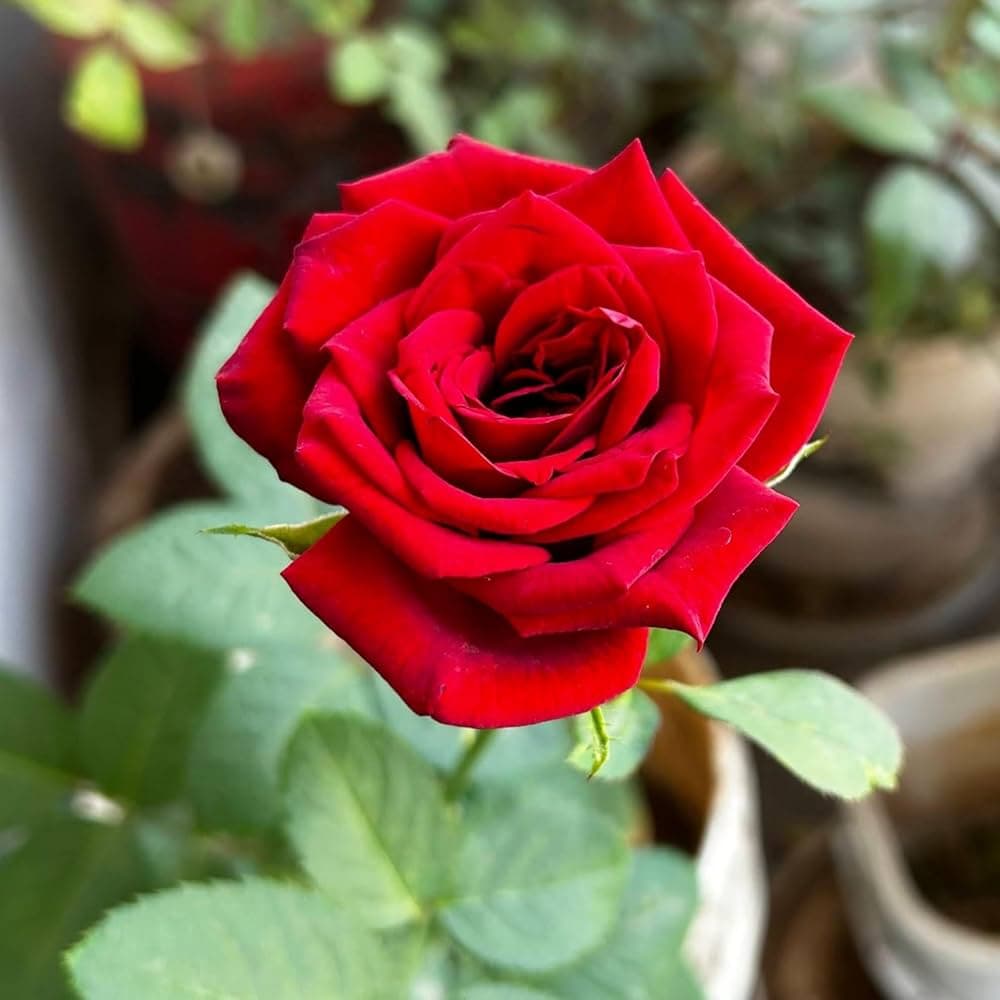
Morphology and field-identification notes as documented in our Dravyaguna library.
It is found growing in gardens and around places.
This plant grows about 5–7 feet tall. Its stem is woody and thorny, and the branches are uneven with large leaves. Besides the thorns, small prickles are also present on them. The leaflets are generally five in number and are slightly hairy. Thorns are not present on the petiole. The flowers are usually large, fragrant, and remain attached to long stalks. The calyx is persistent, and numerous stamens are present inside the flower.
The five-fold framework Ayurveda uses to describe a drug — Rasa, Guna, Vipaka, Veerya and its effect on the doshas.
Madhur, Tikta, Kashaya
The primary taste perceived on the tongue.
Laghu, Snigdha
Physical and energetic attributes of the dravya.
Madhur
Taste that emerges after complete digestion.
Tridoshara
Effect on Vata, Pitta and Kapha doshas.
Sheeta
Heating (ushna) or cooling (sheeta) energy.
Hridya, Shukrala, Varnya, Mridusarak
How modern science maps onto the classical understanding of this dravya.
Pharmacological Action
Anti-inflammatory, Antioxidant, Anti-microbial, Mild laxative, Skin protective, Digestive supportive, Analgesic, Aphrodisiac.
Phytoconstituents
Citronellol, Geraniol, Nerol, Phenyl ethyl alcohol
Classical Ayurvedic indications drawn directly from the Dravyaguna tradition — paired with the preparations recommended in shastra.
01
Relieves internal heat, gastritis, acidity, and burning in the body
02
Gulkand preparations soothe the stomach and reduce acidity.
03
Rose bud decoction acts as a mild laxative (Mridusaraka).
04
Rose preparations help reduce pain, burning, and inflammation.
05
Rose water is used as eye drops or eye wash for cooling and soothing the eyes.
06
Used in acne, redness, excessive sweating, inflamed skin, and to improve complexion (Varnya action).
07
Rose oil and fragrance calm the mind and promote relaxation.
08
Due to its Grahi (absorbent) property, it helps in mild diarrhea and bowel irritation.
09
Supports heart health and emotional well-being.
Always consult a qualified Ayurvedic physician before using any herb therapeutically. Dose, anupana and Prakriti-specific suitability matter.
Yoga / Kalpana
Common Ayurvedic preparations where Rose is a key ingredient.
Shastra Pramana
शतपत्री तरुन्युक्ता कर्णिका चारुकेशरा। महाकुमारी गन्धाढया लाक्षापुष्पा अर्तमञ्जुला।। शतपत्री र्हमा हृद्या ग्रार्हणी शुक़ला लघु:। दोषत्रयास्त्रर्जद्वर्ण्ािकट्वी र्तक्ता च पाचनी।। भा . प्र.