Rasa (Taste)
Madhura
The primary taste perceived on the tongue.

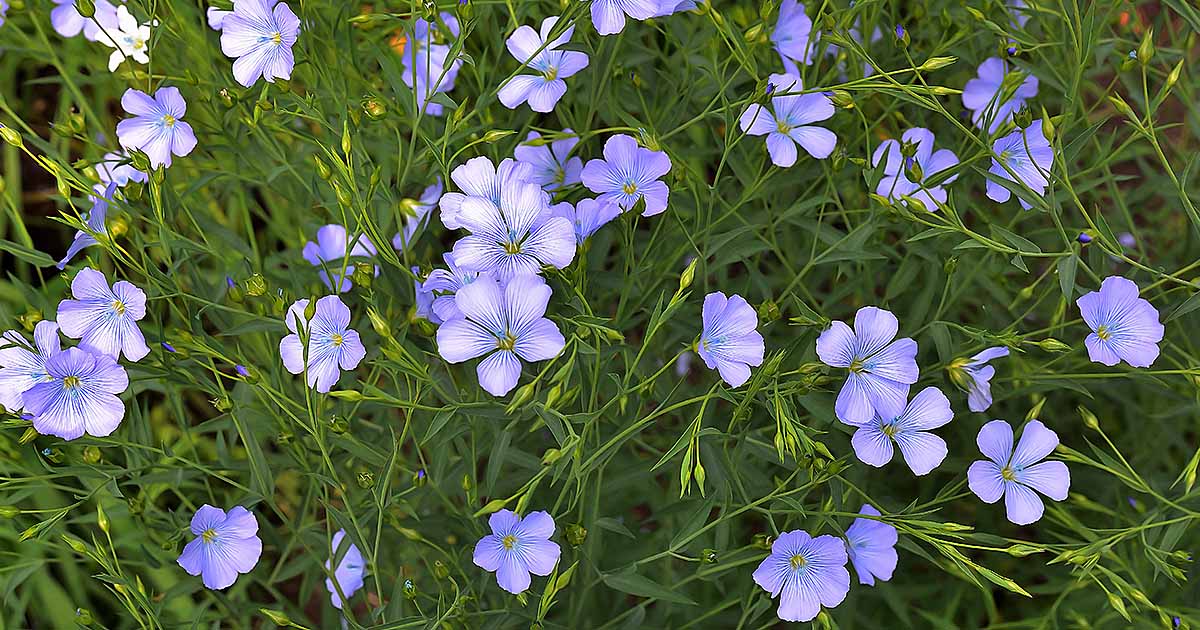
Flax is an annual plant that typically grows to a height of around 2 to 3 feet (60 to 90 cm).
Linum usitatissimum · Linaceae
Flax is an annual plant that typically grows to a height of around 2 to 3 feet (60 to 90 cm).
Scientific Name
Linum usitatissimum
Family
Linaceae
Hindi Name
Alasi, Alsi
Used Part
Seeds, Flower and oil
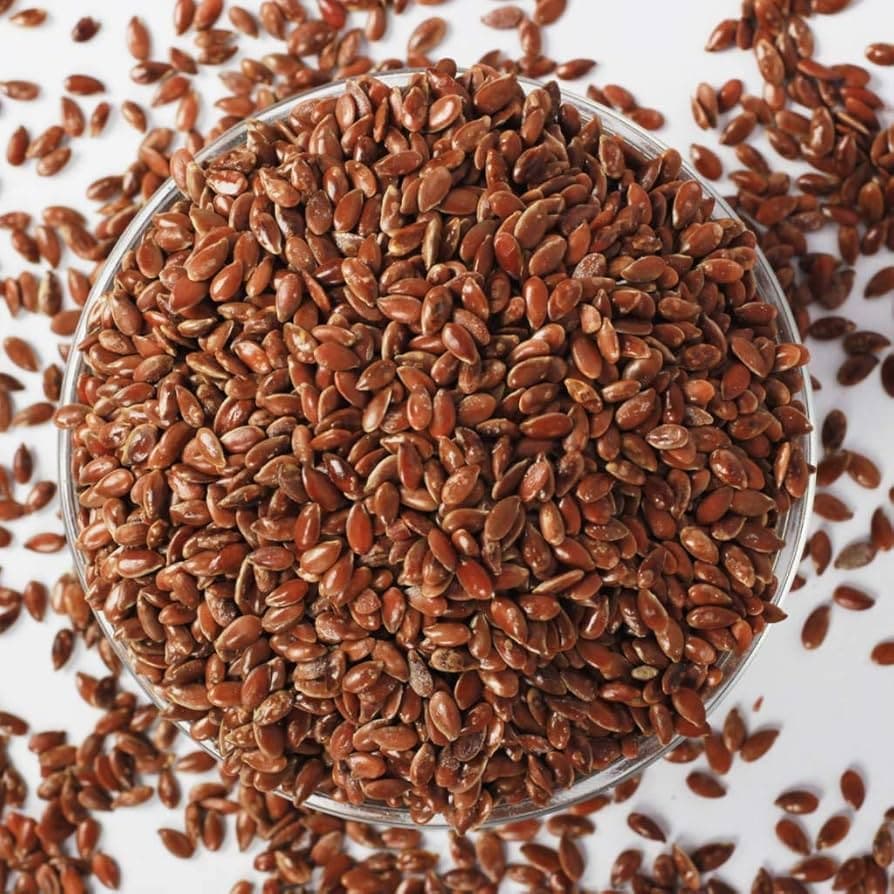
Morphology and field-identification notes as documented in our Dravyaguna library.
Flax is an annual plant that typically grows to a height of around 2 to 3 feet (60 to 90 cm). It has slender, erect stems with narrow, lance-shaped leaves.
The flowers are pale blue, sometimes white and have five petals. Flax plants produce small, round seeds that are about 2-4 mm in diameter.
The five-fold framework Ayurveda uses to describe a drug — Rasa, Guna, Vipaka, Veerya and its effect on the doshas.
Madhura
The primary taste perceived on the tongue.
Guru, Snigdha
Physical and energetic attributes of the dravya.
Madhura
Taste that emerges after complete digestion.
Kaphavatahara
Effect on Vata, Pitta and Kapha doshas.
Ushna
Heating (ushna) or cooling (sheeta) energy.
Drukghni, Shukraghni, Vataghni, Kaphapitta prakopani, Raktapitta Prakopana.
How modern science maps onto the classical understanding of this dravya.
Pharmacological Action
Analgesic, Anti-inflammatory, Antioxidant, Antiplatelet, Anticancer, Anti-tussive,Cardio tonic, Digestive, Diuretic.
Phytoconstituents
Alpha-Linolenic Acid (ALA), Dietary Fiber, Lignans, Protein, Vitamins, Minerals.
Classical Ayurvedic indications drawn directly from the Dravyaguna tradition — paired with the preparations recommended in shastra.
01
Atasi seed soaked in water in urinary disorders: 1-2 teaspoons of Atasi seeds are soaked in a cup of water overnight. Next day it is macerated well and filtered. This is consumed before food for the treatment of burning urination.
02
Linseed oil added to warm water in obesity and hyper cholesterol: Early in the morning 2-3 ml of linseed oil is added to a cup of warm water and taken in an empty stomach. This helps to reduce the total cholesterol and to reduce the mass in case of obesity. To increase breast milk.
03
Linseed leaf juice in wasp sting: Fresh, mature flax leaves are crushed to obtain fresh juice. In case of emergency, as a first aid this is applied over the wasp sting area. This quickly relieves burning sensation and pain.
Always consult a qualified Ayurvedic physician before using any herb therapeutically. Dose, anupana and Prakriti-specific suitability matter.
Yoga / Kalpana
Common Ayurvedic preparations where Atasi (Flaxseeds) is a key ingredient.
Shastra Pramana
अतसीतैलमाग्नेयं स्निग्धोष्णं कफपित्तकृत् । कटुपाकमधुरस्निग्धं बल्यं वातहरं गुरु ||