Rasa (Taste)
Katu, Madhur
The primary taste perceived on the tongue.

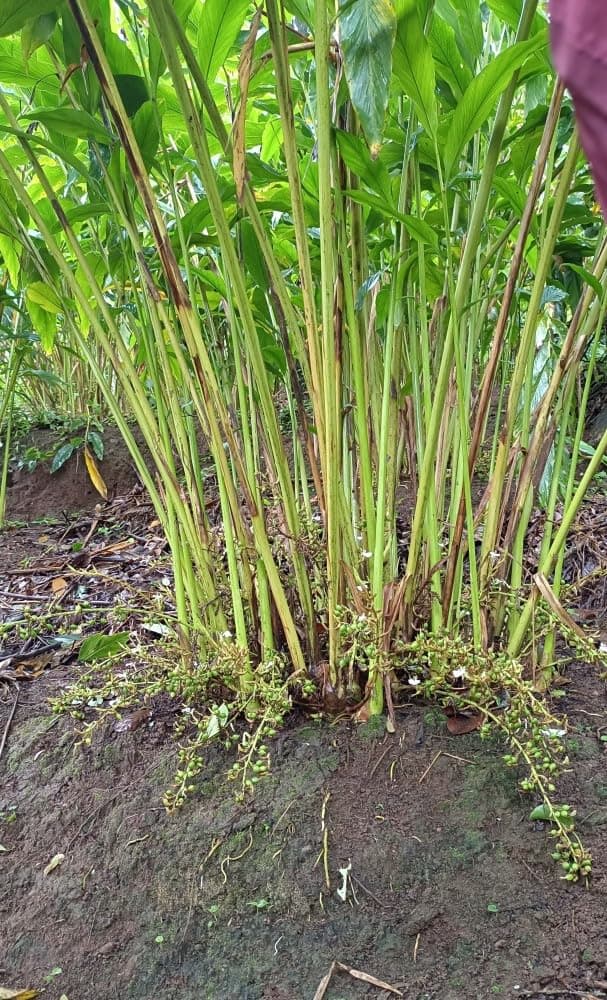
An annual herb; rootstock thick.
Elettaria cardamomum Maton · Zingiberaceae
An annual herb; rootstock thick.
Scientific Name
Elettaria cardamomum Maton
Family
Zingiberaceae
Hindi Name
IlaIchi
Used Part
Seeds
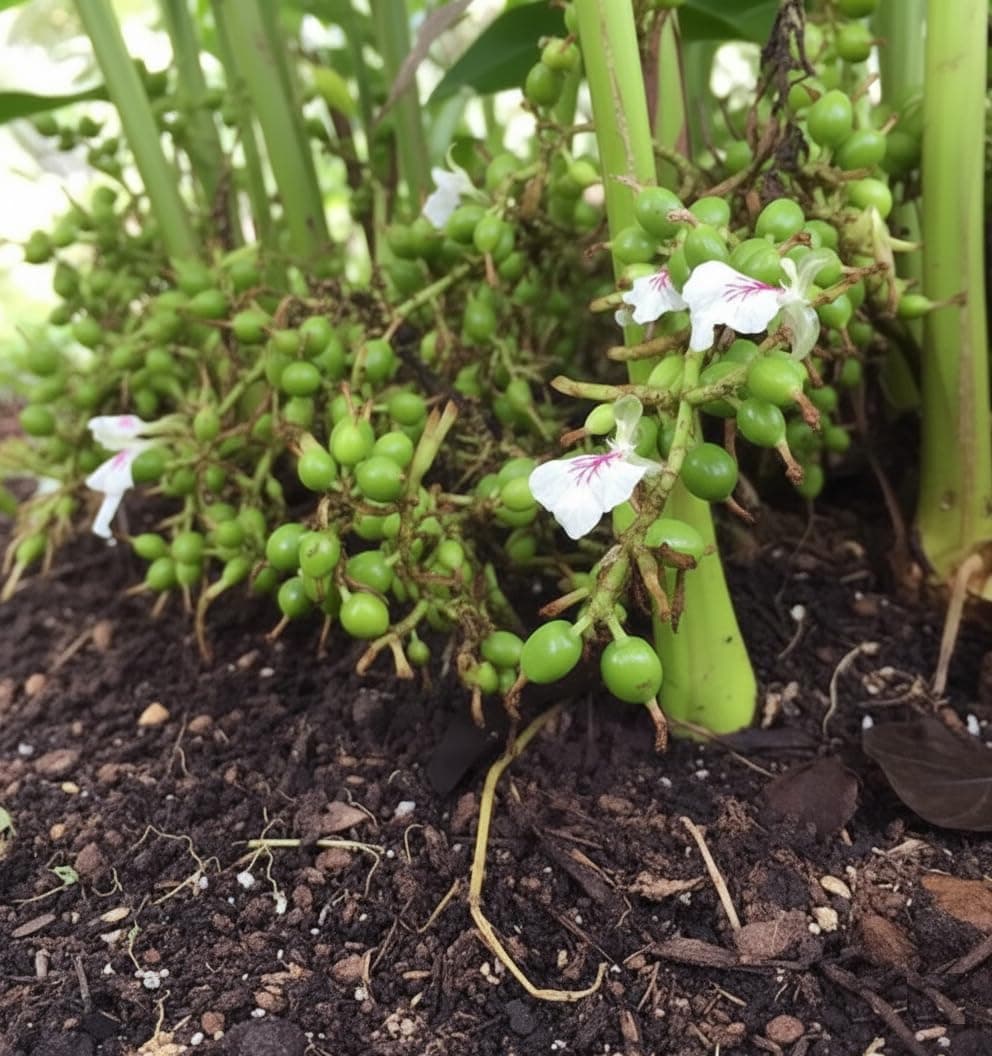
Morphology and field-identification notes as documented in our Dravyaguna library.
An annual herb; rootstock thick. Leafy stem, 2.5 to 4cm long. Leaves- Oblong-lanceolate, pubescent beneath. Flowers- in panicle (produced direct from the root-stock). Bracts 2-3 flowered. Flowers- shortly pedicelled; calyx eylindrical, membranous, shortly lobed; corolla-tube shortly exserted, lip larger than the corolla-segments, white sheathed with violet, Fruit-sub globose or oblong capsules. Flowering and fruiting during May to July.
The five-fold framework Ayurveda uses to describe a drug — Rasa, Guna, Vipaka, Veerya and its effect on the doshas.
Katu, Madhur
The primary taste perceived on the tongue.
Ruksha, Laghu
Physical and energetic attributes of the dravya.
Katu
Taste that emerges after complete digestion.
Kaphvatahara
Effect on Vata, Pitta and Kapha doshas.
Sheeta
Heating (ushna) or cooling (sheeta) energy.
Hrudya, Shukra nashak,Dipana, Rochan.
How modern science maps onto the classical understanding of this dravya.
Pharmacological Action
Antioxidant, Antibacterial and Anti-inflammatory effect, Gastroprotection, and Mild diuretic properties.
Phytoconstituents
Bornneol, Camphene, P-cymene,Geraneol, Heptane, D-limonene, Linalool Menthone,methylheptenone, myrcene, nerol, nerylacetate, a- & B-pinenes,saibenene, o- & B-terpeneols, n-alkanes, ascaridole, camphor,citral, citronellal, farnesol, sitosterol, thujene etc.
Classical Ayurvedic indications drawn directly from the Dravyaguna tradition — paired with the preparations recommended in shastra.
01
Hrdroga - Sukshma Ela and pippali mul taken with honey.
02
Mutrakrichra- Ela is given along with Dadhi manda.
03
Timira- Ela powder is soaked in goat's urine for three days and applied. (4) Chardi- Eladi churna
Always consult a qualified Ayurvedic physician before using any herb therapeutically. Dose, anupana and Prakriti-specific suitability matter.
Yoga / Kalpana
Common Ayurvedic preparations where Ela is a key ingredient.
Shastra Pramana
सूक्ष्मैला द्राविडी तुत्था कोरङ्गी बहुला त्रुटिः । डाला कपोतवर्णा च चन्द्रवाला च निष्कुटी ।। सूक्ष्मैला मूत्रकृच्छ्रघ्नी श्वासकासक्षये हिता। सूक्ष्मैला शीतला स्वादुहृद्या रोचनदीपनी ।। (ध.नि.)