Rasa (Taste)
Kashaya, Madhura
The primary taste perceived on the tongue.

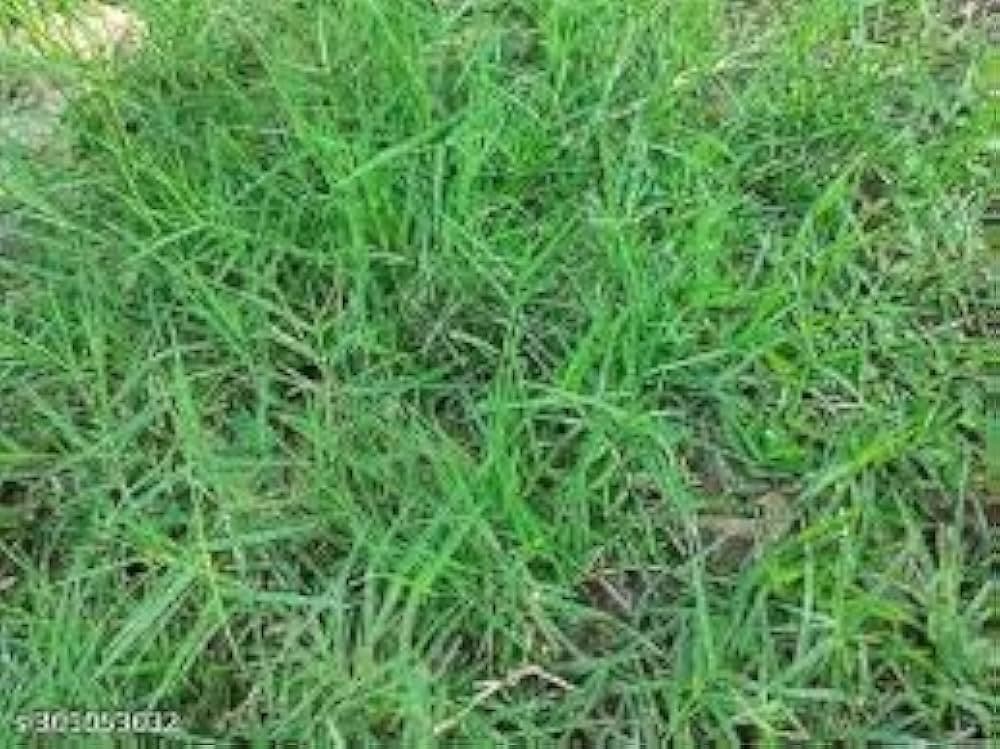
Stem slender, prostrate, widely creeping, forming matted tufts, with slender erect or ascending flowering branches, narrowly linear or lanceolate.
Cyanodon dactylon(L.) Pers. · Poaceae/Graminae
Stem slender, prostrate, widely creeping, forming matted tufts, with slender erect or ascending flowering branches, narrowly linear or lanceolate.
Scientific Name
Cyanodon dactylon(L.) Pers.
Family
Poaceae/Graminae
Hindi Name
Doob
Used Part
Panchang (Whole Plant)
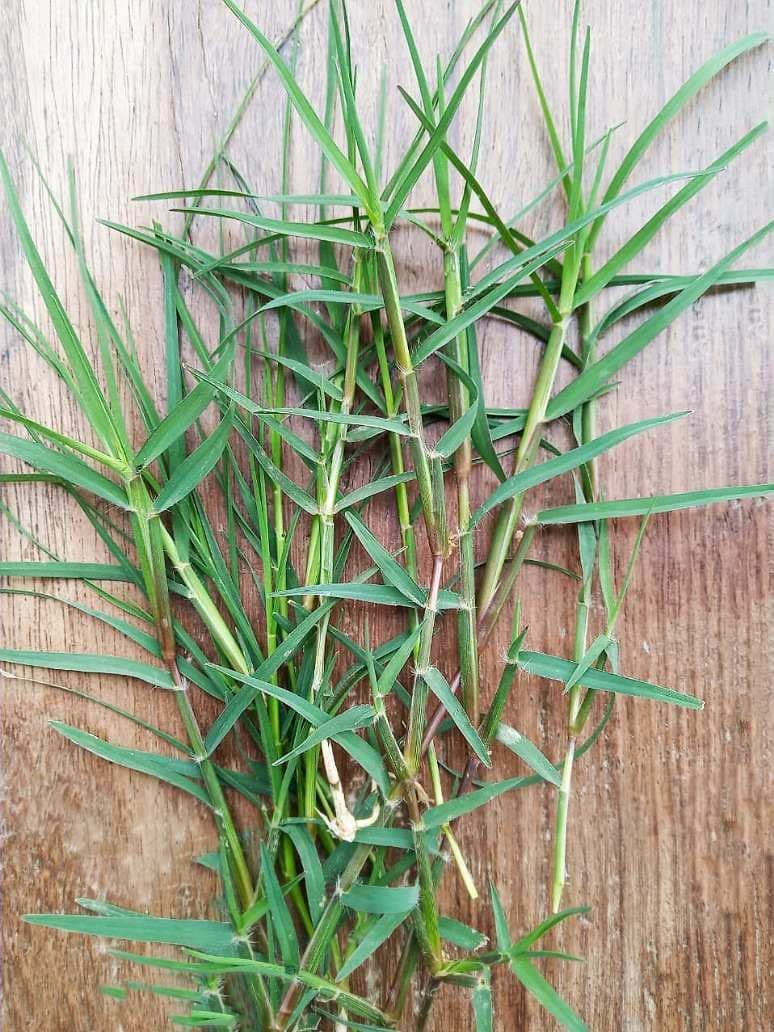
Morphology and field-identification notes as documented in our Dravyaguna library.
Stem slender, prostrate, widely creeping, forming matted tufts, with slender erect or ascending flowering branches, narrowly linear or lanceolate. Spikes 2-6, radiating from the top of a slender peduncle, green or purplish.
The five-fold framework Ayurveda uses to describe a drug — Rasa, Guna, Vipaka, Veerya and its effect on the doshas.
Kashaya, Madhura
The primary taste perceived on the tongue.
Laghu
Physical and energetic attributes of the dravya.
Madhura
Taste that emerges after complete digestion.
Kaphapitta Shamaka
Effect on Vata, Pitta and Kapha doshas.
Sheeta
Heating (ushna) or cooling (sheeta) energy.
Dahaghna, Raktapitta Shamaka, Truptikara.
How modern science maps onto the classical understanding of this dravya.
Pharmacological Action
Anti-inflammatory, Wound healing, Antioxidants, Antimicrobial.
Phytoconstituents
Phenolic Phytotoxins and Flavonoids.
Classical Ayurvedic indications drawn directly from the Dravyaguna tradition — paired with the preparations recommended in shastra.
01
Ghruta cooked with Durva is useful in visarpa.
02
Taila processed with four times Durvaswarasa, applied cures Kachu, Vicharchika and Pama ( Skin disorders).
03
Paste of Durva and Haridra cures urticaria ,Itching.
04
Application of ghee processed with Durva is useful in Arshas (Piles).
05
Durva with Tandulodaka (Rice Water)is given in Chardi (Vomiting).
Always consult a qualified Ayurvedic physician before using any herb therapeutically. Dose, anupana and Prakriti-specific suitability matter.
Yoga / Kalpana
Common Ayurvedic preparations where Durva is a key ingredient.
Shastra Pramana
नीलदूर्वाहिमातिक्तामधुरातुवराहरेत् । कफपित्तास्त्रवीसर्पतृष्णादाहत्वगामयान ।। (भा.प्र.)