Rasa (Taste)
Katu, Tikta
The primary taste perceived on the tongue.

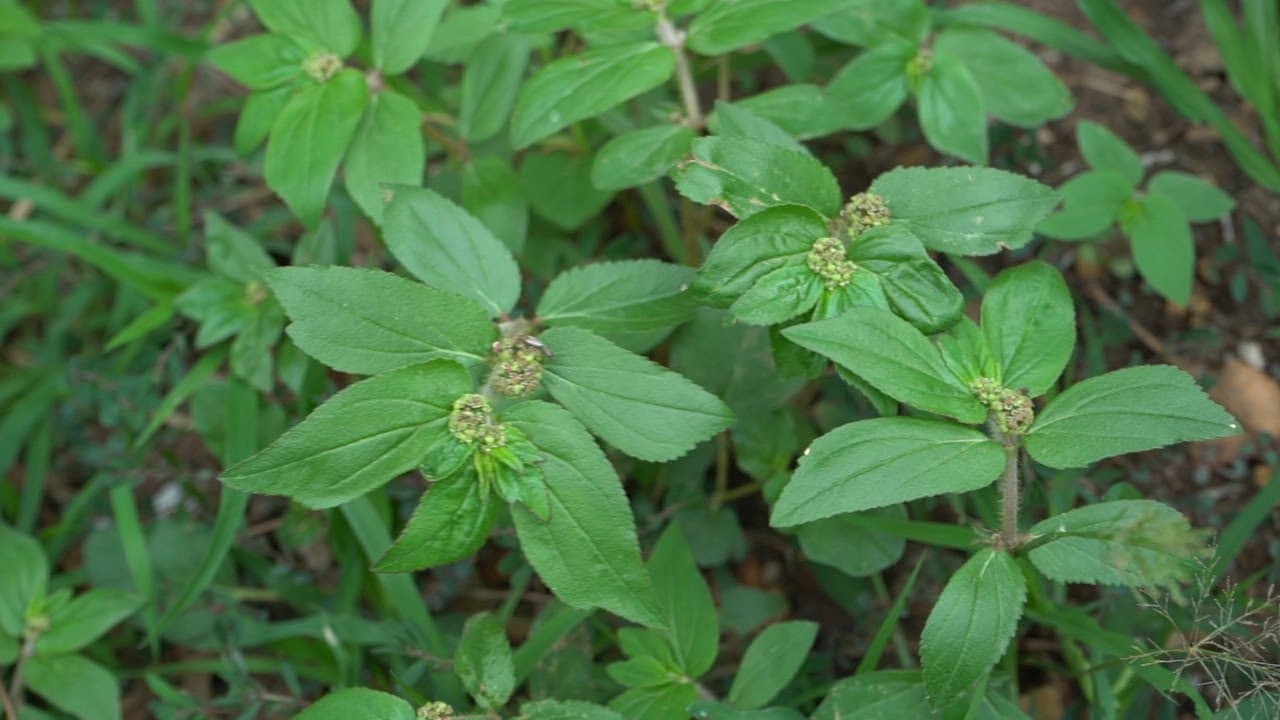
It is a small, herbaceous plant.This plant is characterized by its slender, erect stems that can grow up to 30-40 cm in height.
Euphorbia hirta · Euphorbiaceae
It is a small, herbaceous plant.This plant is characterized by its slender, erect stems that can grow up to 30-40 cm in height.
Scientific Name
Euphorbia hirta
Family
Euphorbiaceae
Hindi Name
Dudhi
Used Part
Whole plant (Panchanga)
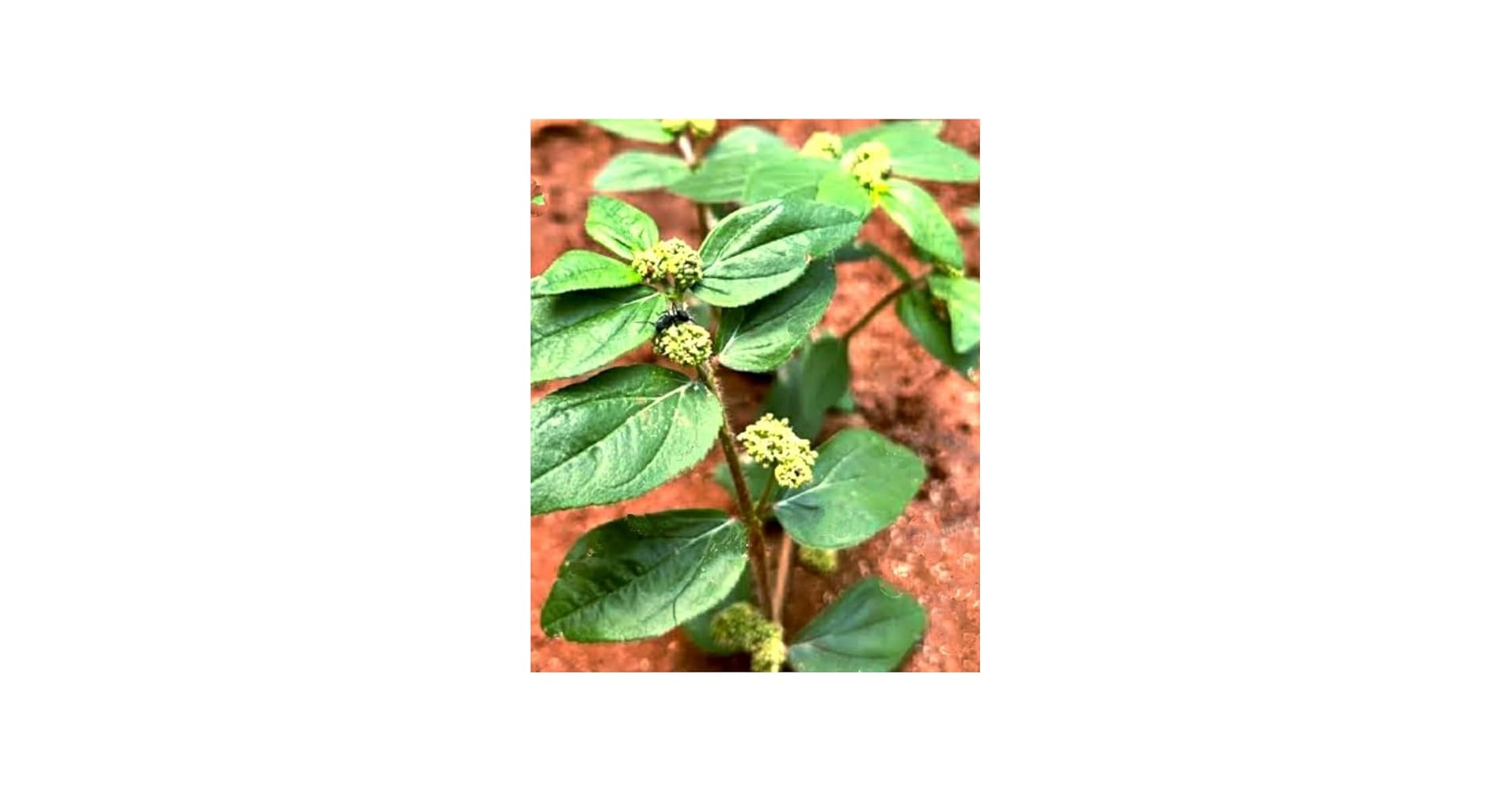
Morphology and field-identification notes as documented in our Dravyaguna library.
It is a small, herbaceous plant.This plant is characterized by its slender, erect stems that can grow up to 30-40 cm in height. The leaves are small, elliptical, and covered with fine hairs, giving them a slightly rough texture. The flowers of Euphorbia hirta are inconspicuous, with green to yellow-green coloration, and they are borne in small clusters. The fruits are small capsules.
The five-fold framework Ayurveda uses to describe a drug — Rasa, Guna, Vipaka, Veerya and its effect on the doshas.
Katu, Tikta
The primary taste perceived on the tongue.
Guru, Ruksha
Physical and energetic attributes of the dravya.
Katu
Taste that emerges after complete digestion.
Tridoshahara
Effect on Vata, Pitta and Kapha doshas.
Ushna (Hot)
Heating (ushna) or cooling (sheeta) energy.
Rasayana, Twaka dosha hara
How modern science maps onto the classical understanding of this dravya.
Pharmacological Action
Antioxident, Anti inflammatory, Antimicrobial, Antipyretic
Phytoconstituents
Ephorbin A and B, quercetin, kaempferol, euphorbin E, and various triterpenoids.
Classical Ayurvedic indications drawn directly from the Dravyaguna tradition — paired with the preparations recommended in shastra.
01
Dudhi is traditionally used to alleviate respiratory conditions like asthma, bronchitis, and cough. It helps in reducing inflammation and clearing air passages.
02
The plant's bioactive compounds exhibit anti-inflammatory properties, making it effective for conditions involving inflammation, such as arthritis.
03
Dudhi has demonstrated antimicrobial activity against various pathogens, making it valuable for treating infections.
04
Its antioxidant compounds help protect cells from oxidative stress and may reduce the risk of chronic diseases.
05
The plant's juice or extracts are applied topically to treat skin conditions like warts, eczema, and ringworm.
Always consult a qualified Ayurvedic physician before using any herb therapeutically. Dose, anupana and Prakriti-specific suitability matter.
Yoga / Kalpana
Common Ayurvedic preparations where Dugdhi is a key ingredient.
Shastra Pramana
दुग्धिका तूर्णकाम्यां गुणपूर्णां त्रिदोषजित्। रसायनीमिवामृता सुस्निग्धा नाम जीवनीति कथ्यते