Ishan Ayurvedic Medical College & Research Centre
Datura (Thorn Apple)

Datura (Thorn Apple)

Datura, (genus Datura), also called thorn apple, genus of about nine species of poisonous flowering plants in the nightshade family (Solanaceae).

Medicinal Plant

Datura (Thorn Apple)

Datura, (genus Datura), also called thorn apple, genus of about nine species of poisonous flowering plants in the nightshade family (Solanaceae).

Datura, (genus Datura), also called thorn apple, genus of about nine species of poisonous flowering plants in the nightshade family (Solanaceae). Several Datura species are collected for use as drugs, and others are cultivated for their showy flowers. Many are considered weeds in warm parts of the world and commonly grow along roadsides and other disturbed habitats. Datura species are often confused with members of the related genus Brugmansia, which features a number of ornamental trees and shrubs known as angel’s trumpets.

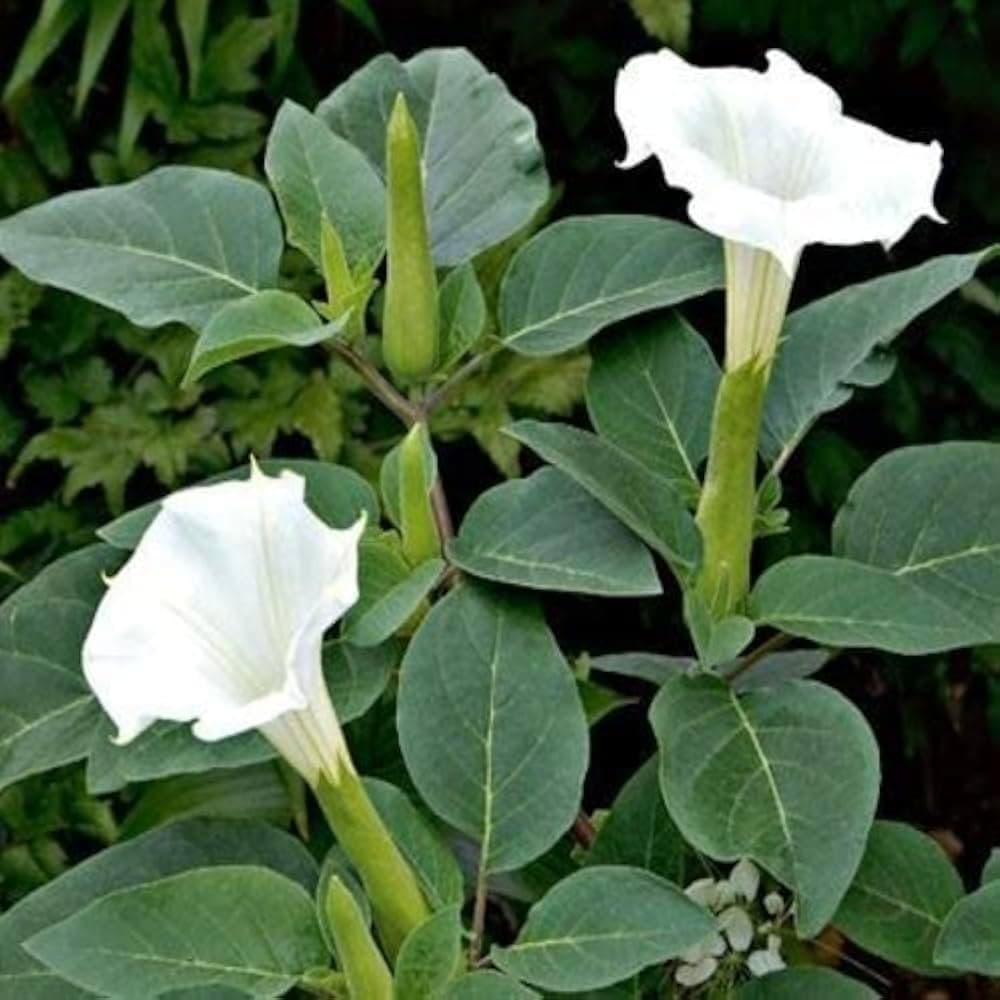
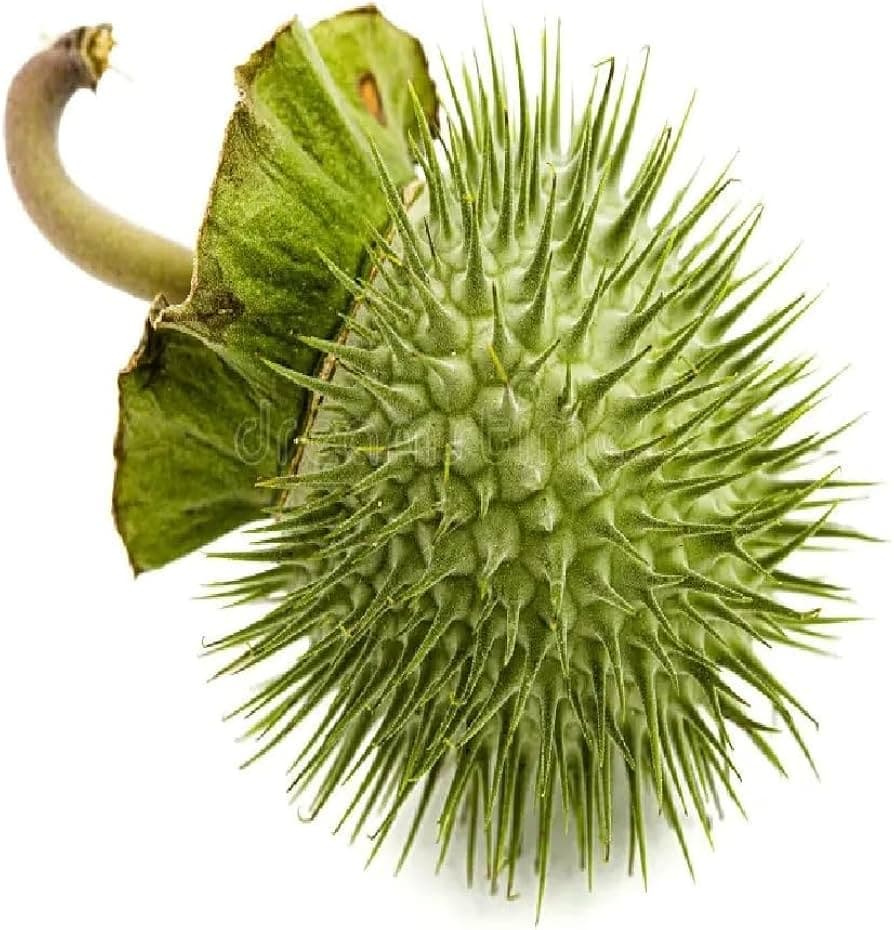
Datura species are herbaceous sprawling annuals or short-lived perennials, characterized by large trumpet-shaped flowers. The fragrant flowers can be white, yellow, pink, or purple and produce a spiny capsule fruit with numerous seeds. The leaves are simple and alternately arranged, with lobed, wavy, or entire margins. The plants contain potent alkaloids, including atropine, scopolamine, and hyoscyamine, and can be fatal if ingested.

Scientific Name

Datura stramonium

Family

Solanaceae

Common Name

Thorn Apple

Datura
Dhatura Thornapple medicinal plant
Botanical Description

About the Datura Plant

Plant 60-120 cm or more tall, branched, pubescent; the branches often purplish. Leaves 8-17 x 4-13 cm, ovate or broadly so, sinuately dentate, minutely puberulose, cuneate.

Petiole 2-5 cm long. Calyx 3.5-5.5 cm long, tubular, 5-dentate, puberulous, persistent. Lobes 6-9 mm long, strongly reflexed in fruit, apiculate. Corolla 7-10 cm long, white or purplish suffused; limb up to 8 cm broad, shallowly 5-lobed, with the lobes, ± triangularacuminate. Anthers ± 5 mm long, with the lobes narrow oblong, usually white. Capsule erect, 3-4 cm long, ovoid, spiny and densely pubescent, splitting by 4 valves; spines up to 5 mm long. Seeds 3 mm long, reniform, reticulate-foveolate, and black.

Ayurvedic Properties

Rasa · Guna · Virya · Vipaka

Pharmacological action - Sedative, Antispasmodic, Anti asthmatic, Bronchodilator,

Guna (qualities)

Guna (qualities)

Laghu (lightness), Rooksha (dryness

Laghu (lightness), Rooksha (dryness

Rasa (taste)

Rasa (taste)

Tikta (bitter), Katu (pungent)

Tikta (bitter), Katu (pungent)

Vipaka

Vipaka

Katu (undergoes pungent taste conversion after digestion)

Katu (undergoes pungent taste conversion after digestion)

Veerya

Veerya

Ushna (hot potency)

Ushna (hot potency)

Effect on Tridosha

Effect on Tridosha

useful to balance Kapha and Vata Dosha

useful to balance Kapha and Vata Dosha

Chemical Composition

Phytochemical Constituents

Imbibed with powerful hallucinogenic and deliriant properties, Datura has a mother lode of -

Antioxidants, Flavonoids, Alkaloids, Organic compounds, and minerals.

The bioactive components in Datura include -

Daturine, Daturadiol, Hyoscine, Atropine, Noratropine, Fastudine, Allantoin, Hypocyamine, Norhyosciamine, Tropane, Meteolodine, Scopolamine, Mucilage, Albumen, Vitamin C, Niacin, and Malic Acids.

Health Benefits

Therapeutic Benefits of Datura

From classical Ayurvedic indications to modern phytotherapeutic insights — explore the spectrum of wellness benefits this herb has to offer.

01

Improves Respiratory Health

02

Famed as a traditional remedy for all sorts of respiratory troubles, Datura is truly effective as an alternative treatment for asthmatic conditions. Having powerful antiinflammatory, expectorant, and anti-spasmodic properties, the entire plant hold high significance in treating all sorts of respiratory troubles including the common cold, flu, whooping cough, asthma, bronchitis, etc.

03

Aids In Cardiac Functioning

04

Datura has been found to have a positive effect on the heart. Being a natural antioxidant and a cardio-protective herb, it plays a pivotal role in treating a host of heart ailments.

05

Relaxes The Mind

06

Datura is famed for its effects on the human mind. The presence of adaptogenic, hypnotic, and sedative properties not only improves the mood but also relieves stress. It holds high significance in normalising the Vata and Pitta Doshas in the body which in turn keeps the stress hormone, i.e. serotonin hormone level under control.

07

Enhances Fertility And Childbirth

08

Datura offers a one

shot traditional remedy for boosting libido and improving fertility in both men and women. It showcases strong aphrodisiac properties that not only helps in reducing mental stress and anxiety but also stimulates the reproductive hormones for increasing libido. It plays a key role in increasing virility and stamina in men.

09

Bolsters Immune System

10

The abundance of antioxidants and ascorbic acid present in Datura makes it one of the well-known folk remedies for improving the immune system, fighting microbes and shielding the body against various infections.

11

Promotes Digestion

12

Datura showcases strong digestive and carminative properties which offer an effective remedy for all sorts of digestive anomalies.

13

Remedies Insomnia

14

By reducing the levels of cortisol, which is a stress hormone, Datura holds high significance in attenuating stress. Thanks to the sedative effects of Datura, it is widely used for improving the quality, and duration of sleep.

15

Reduces Pain And Inflammation

16

Thanks to the presence of strong pain-relieving and anti-inflammatory effects, Datura is extensively used to provide relief in case of painful conditions like arthritis, muscle spasms, etc.

17

Treats Fever

18

Imbued with potent anti

parasitic and temperature reducing effects, the fruit of Datura is used effectively in treating different types of fever.

19

Induces Lactation

20

On daily consumption, Datura or any of its formulation help increase the production of prolactin and corticoids, which help produce breast milk, which in turn improves lactation and the quality of breast milk.