01
Skin Quality

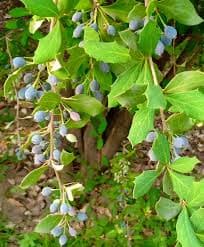
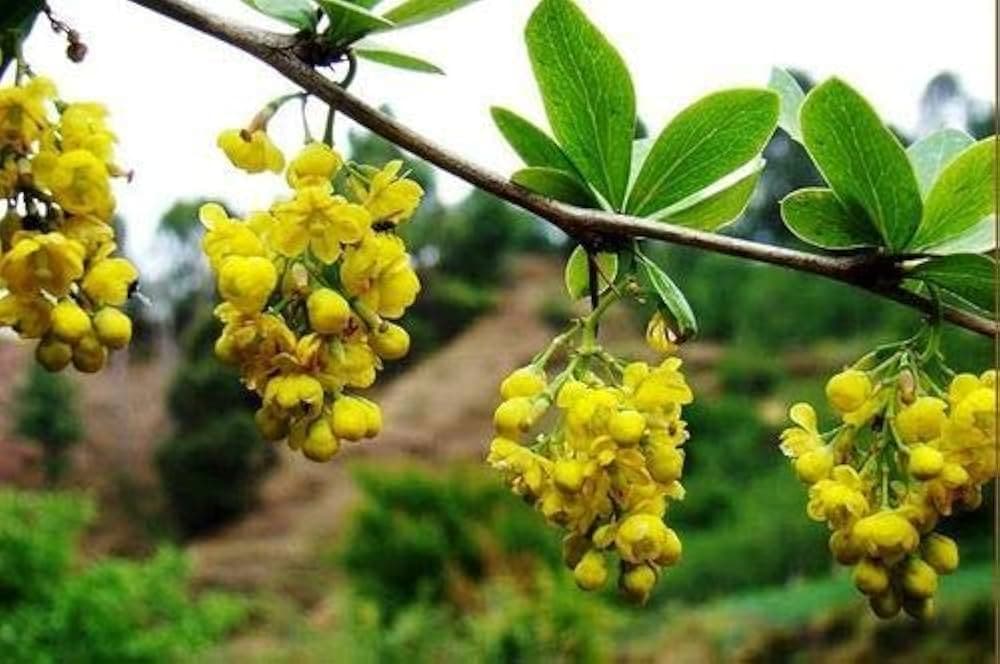
Berberisaristata is characterized by an erect spiny shrub, ranging between 2 and 3 m (6.6 and 9.8 ft) in height.
Berberisaristata is characterized by an erect spiny shrub, ranging between 2 and 3 m (6.6 and 9.8 ft) in height. It is a woody plant, with bark that appears yellow to brown from the outside and deep yellow from the inside. The bark is covered with three-branched thorns, which are modified leaves, and can be removed by hand in longitudinal strips. The leaves are arranged in tufts of five to eight and are approximately 4.9 cm (1.9 in) long and 1.8 cm (0.71 in) broad. The leaves are deep green on the dorsal surface and light green on the ventral surface. The leaves are simple with pinnate venation. The leaves are leathery in texture and are toothed, with several to many small indentations along the margin of the leaf.
Scientific Name
Berberisaristata
Family
Berberidaceae
Common Name
Indian Berberry


Berberisaristata is characterized by an erect spiny shrub, ranging between 2 and 3 m (6.6 and 9.8 ft) in height. It is a woody plant, with bark that appears yellow to brown from the outside and deep yellow from the inside. The bark is covered with three-branched thorns, which are modified leaves, and can be removed by hand in longitudinal strips. The leaves are arranged in tufts of five to eight and are approximately 4.9 cm (1.9 in) long and 1.8 cm (0.71 in) broad. The leaves are deep green on the dorsal surface and light green on the ventral surface. The leaves are simple with pinnate venation. The leaves are leathery in texture and are toothed, with several to many small indentations along the margin of the leaf.
Guna
Laghu, Ruksha
Laghu, Ruksha
Rasa
Tikta, Kashya
Tikta, Kashya
Virya
Ushn
Ushn
Vipaka
Madhuramla, sheetvirya
| Sanskrit | Sanskrit Value | English | Value |
|---|---|---|---|
| Guna | Laghu, Ruksha | Guna | Laghu, Ruksha |
| Rasa | Tikta, Kashya | Rasa | Tikta, Kashya |
| Virya | Ushn | Virya | Ushn |
| Vipaka | Madhuramla, sheetvirya | Vipaka | Madhuramla, sheetvirya |
The plant contains phytoconstituents like berbamine, Berberine, oxycanthine, epiberberine, palmatine, dehydrocaroline, jatrorhizine and columbamine etc. And these chemical constituents present in Daruharidra helps to act as aantillergic agent.
From classical Ayurvedic indications to modern phytotherapeutic insights — explore the spectrum of wellness benefits this herb has to offer.
01
Skin Quality
02
Bequeathed with antioxidant, antimicrobial and anti-inflammatory properties, Ayurveda acknowledges Daruharidra as a well-known go-to cure for various skin ailments. Owing to its blood purifying qualities and Kapha – Pitta characteristics which help in removing toxins from the blood, it controls sebum production and assists in treating a host of skin infections as well. It not only helps in safeguarding the skin from oxidative radical damage due to the harmful UVA and UVB rays, but also arrests the various signs of ageing like wrinkles, fine lines, blemishes, spots, and dark circles. It is also advantageous for treating allergic conditions like psoriasis, scabies, eczema, acne, pimples, zits, and many more. It is even useful in healing wounds, burns and ulcers.
03
Make a paste of 1 tbsp aloe vera gel, 1 tsp Daruharidra powder, 1 tsp neem powder, a pinch of turmeric and rose water. Smear this paste all over the face and neck for a radiant, blemish-free glowing complexion.
04
Gynaecological Problems
05
Daruharidra is a definitive remedy for all sorts of hormonal problems. It plays a key role in regulating periods, treating postnatal ailments, and even helps to treat excessive abdominal pain/bleeding. Additionally, it also assists in treating menorrhagia (abnormally heavy or prolonged bleeding), metrorrhagia (abnormal bleeding from the uterus in between regular menstrual cycle), amenorrhea (absent menstruation), and also provides substantial solace from abdominal cramps due to dysmenorrhea (painful menstruation). The Kashaya property of the herb also helps in dealing with Shweta Pradara or leucorrhea.
06
Liver Anomalies
07
Daruharidra acquires potent hepatoprotective and hepatostimulative properties which makes it a magical remedy during jaundice and other liver anomalies like fatty liver, and cirrhosis, in which the liver gets most affected. Owing to the presence of the active ingredient Berberine, Daruharidra helps to decrease the level of triglycerides, and liver enzymes in the blood. The root extract provides support to the liver functioning by secreting bile which in turn enables the liver enzymes to tone down to normal levels. It also purifies the liver by removing AMA and promotes liver functioning.
08
Regulates Diabetes
09
diabetic properties which play an exemplary role in pacifying the blood sugar levels in the body. The biochemical components Berberine and Berberol provide beneficial treatment for introducing insulin therapy in diabetic patients with suboptimal glycaemic control. Additionally, the β-pancreatic cells, which assist in the production of insulin become extremely active in the consumption of the extract of Daruharidra. It also diminishes the breakdown of starch into glucose which in turn steers to low blood glucose levels in the body and maintains a proportional diabetic reading.
10
Diarrhoea
11
diarrhoeal properties of Daruharidra are extensively used for removing bacteria from the intestines that cause diarrhoea and other intestinal illnesses. When consumed in prescribed amounts, it can be employed for treating a type of diarrhoea known as AMA ATISARA i.e., acute diarrhoea characterized by slimy bowel, sticky, full of mucus and emanating a foul odour. This herb not only eliminates the toxins from the body but also effectively reduces the frequency of stools and even treats dysentery.
12
Daruharidra, like Haridra is an excellent ayurvedic herb used in eye, skin, and pitta aggravation diseases like anemia, jaundice, and pitta-kapha aggravation disorders like diabetes.
13
In eye disorders, also Daruharidra offers potent benefits. A special extract of Daruhridra called Rasaut / Rasanjana is used where the Kashaya of daruharidra is boiled along with goats milk until a solid mass forms. This solid mass is made into Anjana (collyrium) paste / stick and applied to the eye. Due to its hot and bitter potency ,this extract helps clear out Mala from the eyes by inducing profuse watering. It also helps shrink styes in the eyes, inflammation of the eyes, etc.
14
Hypersensitivity to Daruharidra / Saptaparna is a contraindication. In addition, Daruharidra / Saptaparna should not be used if you have the following conditions:
15
Hypersensitivity
16
Infants
17
operative stages